© freepiks
January 1, 2023
Sharon Burbat
Strengthening the pelvic floor muscles is important not only after pregnancy and during menopause. If they are too weak, it can lead to incontinence. But how can pelvic floor exercises be integrated into daily life?
People often only start thinking about the pelvic floor when faced with an impending birth – or afterwards, when there's occasional urine leakage. It is said that every fifth to second woman who has had a vaginal delivery is affected. The problem can persist for years and reappear during menopause. Talking about the taboo topic of urinary incontinence is rare. And yet – or perhaps because of this – in recent years a market has emerged promising relief through targeted pelvic floor exercises.
However, the small devices that connect to a smartphone via an app are supposed to benefit other areas of life as well: A stronger pelvic floor improves mental well-being, accelerates postnatal recovery, acts preventively against pelvic floor prolapse, and positively impacts one's sex life.
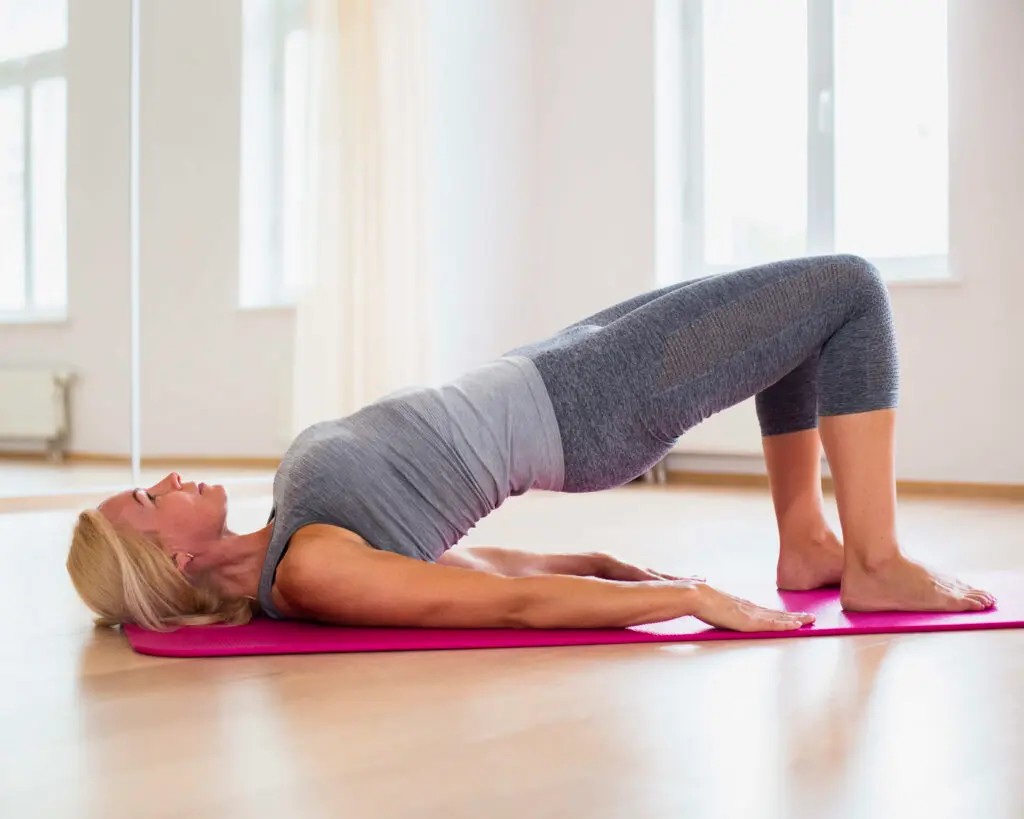
Physiotherapist Anna Springer offers pelvic floor training courses at her Theragym practice in Hamburg and emphasizes that "a good pelvic floor workout is always a whole-body workout and should therefore be trained in conjunction with the core muscles, the diaphragm, as well as the foot and jaw muscles."
The expert knows that the pelvic floor muscles are often forgotten: “It is a muscle that you don't see. We are visually driven, who likes to train without a visible effect and success?” The pelvic floor is actually a real muscle package – as large as two hands placed side by side. It closes off the pelvis from below and thus keeps the organs in position. It provides support and helps to keep the back upright. The pelvic floor muscles close the bladder at the front and the intestine at the back. They need to contract and relax at the right moments to create counterpressure that can retain stool and urine.
The lecturer – among other things for gynecology – advises consulting a physio-pelvica specialist for complaints such as urine leakage, pain during sex, and a feeling of pressure. These are physiotherapists who have completed special training focused on functional disorders of the pelvis and pelvic floor. For assessment, they conduct a vaginal examination to palpate and evaluate the strength and tension state of the pelvic floor as well as the ability to activate and relax it.
Based on this, an individual physiotherapeutic treatment and training plan can be created. “As a meaningful addition, pelvic floor trainers with so-called biofeedback can then be suitable,” says Anna Springer.

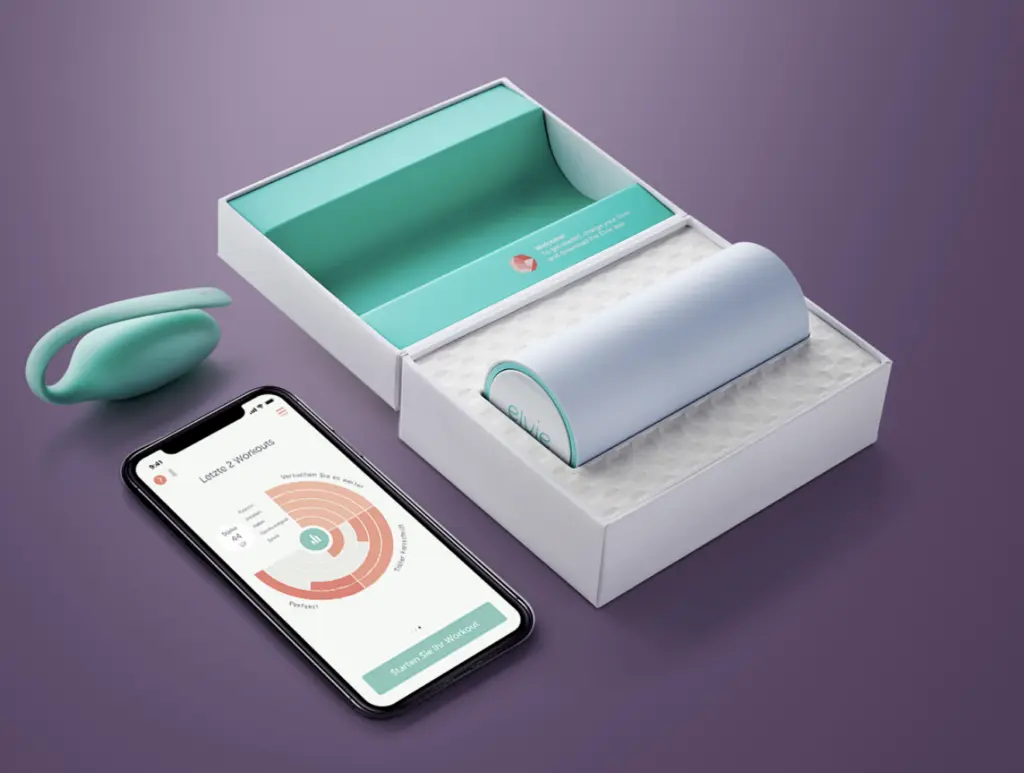
Elvie pelvic floor trainer: Studies show that a stronger pelvic floor improves quality of life.
Elvie is a Kegel trainer linked to an app that promises results in less than 4 weeks. The app suggests various playful exercises and measures the contractions of the pelvic floor muscles during execution, which is supposed to make the workouts more effective. Since the trainer detects the direction of muscle tension, you are alerted if you push them down instead of pulling them up.
The whole thing is visualized by a small gemstone on the phone display, which moves up when squeezed and down when relaxed. Different levels are available and your own progress is tracked. If you like, you can compare your results with other users. The exercises only take five minutes. Three times a week should be enough to strengthen the pelvic floor.
Cost: 199 euros
Buy here: elvie.com

Perifit: Unique biofeedback technology with real-time detection of movements and faulty contractions
Perifit is also a Kegel trainer with an app. The device contains two sensors: one that measures the surface muscles of the pelvic floor and a depth sensor that registers the pressure in the abdominal cavity. With Perifit, you can select different training programs with different focuses or goals.
For example: "Postpartum Recovery," "Urge Incontinence," "Prolapse," "Prevention," and "Sexual Well-being." Each program has several levels to complete, which seem very playful and allow you to compete with others. Incorrect contractions trigger a real-time warning, and there are tips to prevent muscle fatigue as well as relaxation phases for recovery. In addition to the original pelvic floor trainer, there is also the Perifit Care+, which is smaller.
Cost: Original 139 euros, Care+ 150 euros
Buy here: https://de.perifit.co/

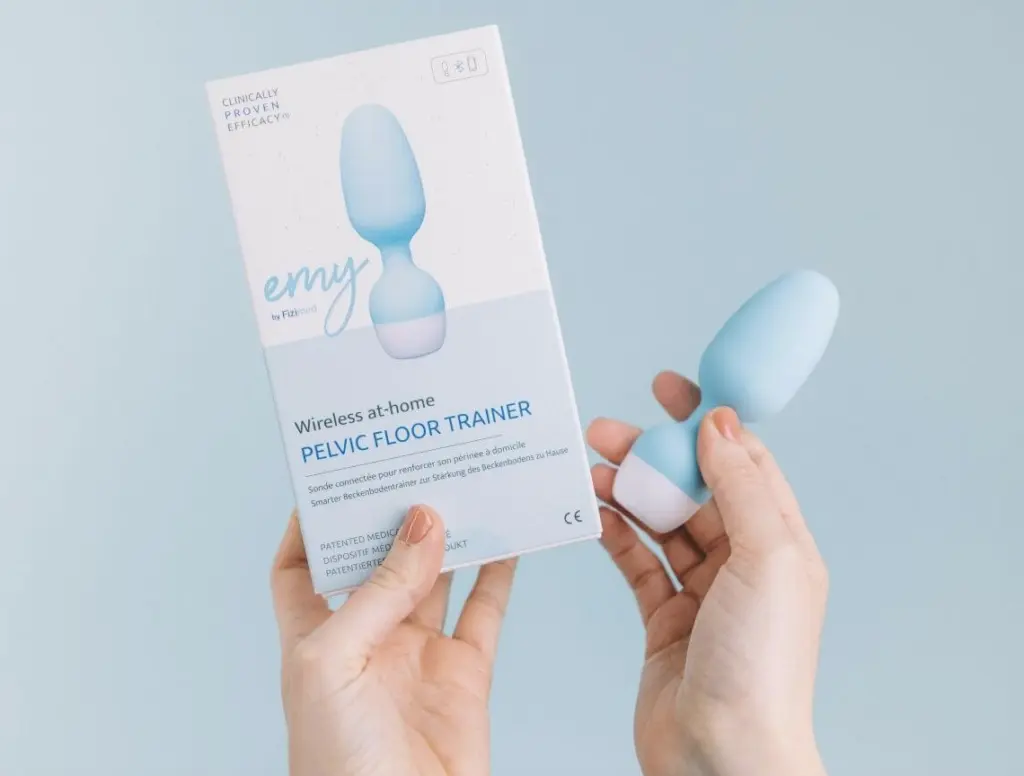
The innovative and patented technology of Emy was developed in collaboration with medical professionals.
Emy, the pelvic floor trainer from Fizimed, is a medical device with clinically proven efficacy. Health insurance may cover the cost because Emy can be prescribed by a doctor. This is contingent upon experiencing symptoms due to a weak pelvic floor, such as stress incontinence.
The device, which can also be used via an app, was developed with experts in physiotherapy and midwifery and is designed to deliver noticeable results in just three weeks.
Cost: 199 euros
Buy here: fizimed.com
In addition to pelvic floor apps, there are trainers without digital feedback such as the Yoni egg, love balls, or the NUK pelvic floor trainer. They are generally cheaper and can also be used in everyday life for other activities. However, the major disadvantage is that they can be used incorrectly due to the lack of feedback. Because without feedback, only 50% of women perform their pelvic floor exercises correctly. Furthermore, this type of pelvic floor trainer can slip out more quickly.