© Andrea Piacquadio
July 15, 2025
Lena Sämann
Many women suffer from endometriosis, yet it often takes years for a correct diagnosis. Learn everything about symptoms, causes, diagnostic procedures, and modern treatment options here.

With
Dr. Petra Eisenmann
Endometriosis affects about 10-15% of all women of childbearing age worldwide and is still often misunderstood. The chronic disease can lead to severe pain, infertility, and significant limitations in everyday life. Despite its prevalence, years often pass before a correct diagnosis is made. Our comprehensive guide provides information on symptoms, causes, diagnostic procedures, and modern treatment options.
Endometriosis is a benign but chronic condition in which tissue similar to the lining of the uterus grows outside the uterus. These so-called endometriosis lesions can occur in various parts of the body, most commonly in the pelvis. Like the normal uterine lining, these lesions also respond to hormonal changes during the menstrual cycle.
The tissue builds up and breaks down monthly, but unlike normal menstruation, it cannot be shed. This leads to inflammation, scarring, and the formation of cysts. The World Health Organization (WHO) classifies endometriosis as one of the most common gynecological diseases.
The symptoms of endometriosis can be diverse and are often mistakenly dismissed as normal menstrual pain. The most common signs include:
Main symptoms of endometriosis: Severe menstrual pain, different from normal menstrual discomfort, is the most characteristic symptom. Pain can start before the period and persist even after it ends. Many affected individuals describe the pain as cramp-like, stabbing, or burning.
Other typical complaints: Pain during intercourse, especially with deep penetration, may indicate endometriosis. Pain during urination or bowel movements, especially during menstruation, are also possible symptoms. Unusually heavy or prolonged menstrual bleeding as well as spotting can also occur.
Accompanying symptoms: Many women also suffer from chronic fatigue, back pain, nausea, or digestive problems. These non-specific symptoms often complicate diagnosis and are not always associated with endometriosis.
The exact causes of endometriosis are not yet fully understood. Medical professionals discuss various theories, with multiple factors likely interacting.
Retrograde Menstruation: The most widespread theory suggests that during menstruation, blood and tissue fragments travel through the fallopian tubes into the abdominal cavity. Normally, these remnants are eliminated by the immune system, but in some women, they settle and grow.

Genetic Predisposition: Studies show that endometriosis occurs more frequently in families. Women whose mothers or sisters are affected are at increased risk of developing the condition. Certain gene variants seem to influence the likelihood.
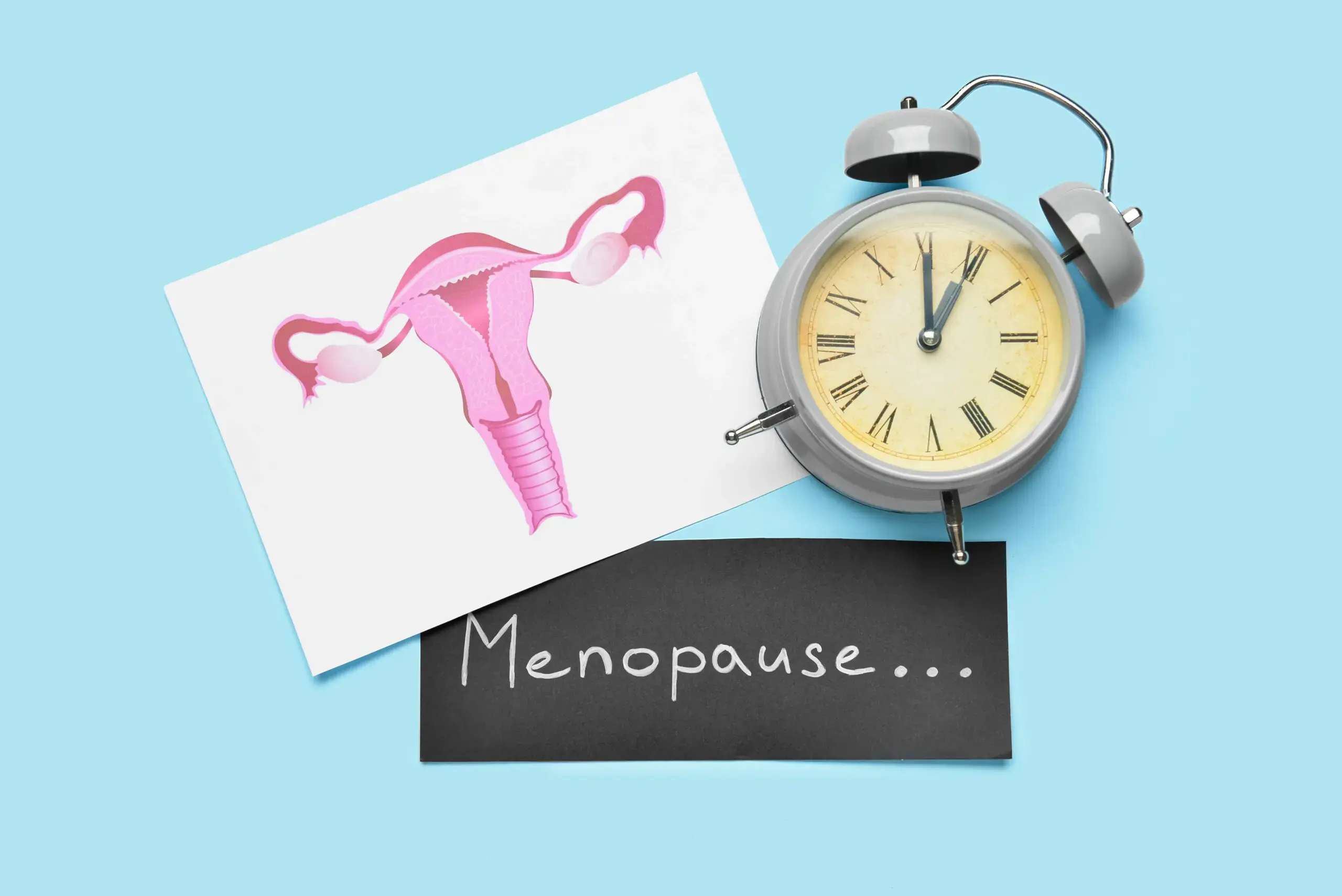
Hormonal Factors: Estrogen plays a central role in the development and growth of endometriosis lesions. An early onset of menstruation, short cycles, or a late onset of menopause Menopause can increase the risk.
Immune system and environmental factors: A weakened immune system can promote the development. Also, environmental toxins, stress and certain lifestyle habits are discussed as possible influencing factors.
The diagnosis of endometriosis is often a lengthy process. On average, it takes 7-10 years between initial symptoms and correct diagnosis. This delay is due to the fact that the complaints are often interpreted as normal menstrual pain.
First step: Detailed medical history An experienced gynecologist will first take a detailed medical history. Information about the type, intensity, and timing of the pain is important. A pain diary can help identify patterns.
Physical examination: During the gynecological examination, enlarged ovaries, hardenings, or painful areas in the pelvis may be felt. This examination provides initial clues, but is not always conclusive.
Imaging procedures: Ultrasound examinations can reveal larger endometriosis cysts (endometriomas) on the ovaries. Magnetic resonance imaging (MRI) provides more detailed images and can also detect smaller lesions.
Laparoscopy: The gold standard Laparoscopy is considered the most reliable diagnostic method. Through small incisions, a camera and instruments are inserted into the abdominal cavity. This allows endometriosis lesions to be visualized directly and tissue samples to be taken at the same time.
“Endometriosis often manifests itself through non-specific complaints such as dysmenorrhea, dyspareunia, dysuria, chronic lower abdominal pain, or menstrual irregularities. These symptoms are often misinterpreted by patients and also by medical staff as 'normal' menstrual complaints. Unfortunately, there is also a tendency to trivialize pain in the context of menstruation. Many affected individuals report being told for years that their pain was 'psychosomatic' or 'normal,'” says the experienced gynecologist Dr. Petra Eisenmann.
The treatment of endometriosis depends on the severity, symptoms, and desire to have children. An individual therapy plan often combines different approaches.
Medication therapy: Pain relievers such as ibuprofen or diclofenac can alleviate acute symptoms and also have an anti-inflammatory effect. Prescription analgesics are also used for more severe pain.
Hormone therapy: Since endometriosis grows in a manner dependent on estrogen, many treatments aim to influence hormone levels. The birth control pill in a long cycle can reduce menstrual bleeding and alleviate symptoms. GnRH analogues temporarily put the body in a menopause-like state.
Surgical treatment: In severe cases or if there is a desire to have children, a surgery may be necessary. During a laparoscopy, endometriosis lesions are removed and adhesions are released. In extreme cases, a hysterectomy (removal of the uterus) may be considered.
Complementary therapies: Physiotherapy, Acupuncture, Yoga and relaxation techniques can contribute as complementary measures to pain relief. A anti-inflammatory diet rich in omega-3 fatty acids and antioxidants is often recommended.
"Modern endometriosis therapy is not a one-size-fits-all treatment, but an individualized, dynamic treatment concept that must be adapted according to life phase, desire for children, symptom situation, and previous illnesses. In addition to classic hormone strategies, molecular substances, digital tools, and integrative methods are now available. The trend is towards personalized, life-phase-oriented long-term care," says Dr. med. Petra Eisenmann from the Premium Medical Circle.
Endometriosis is one of the most common causes of infertility in women. About 30-50% of affected women have difficulty becoming pregnant. The disease can affect fertility in various ways:
Adhesions can disrupt the normal function of the fallopian tubes and hinder the transport of the egg. Endometriosis cysts on the ovaries can affect egg quality. Inflammatory processes in the pelvis can further complicate fertilization.
Treatment options for those wishing to conceive: The surgical removal of endometriosis lesions can improve fertility, especially in milder forms of the disease. If unsuccessful, assisted reproductive techniques such as in vitro fertilization (IVF) may be considered.
Many women with endometriosis can still become pregnant naturally. Pregnancy can even lead to a temporary improvement in symptoms, as hormonal changes inhibit the growth of endometriosis lesions.
Gynecologist Dr. Petra Eisenmann advises: "Every woman with endometriosis and a desire to have children should receive reproductive medical counseling early – regardless of the severity of her symptoms. AMH and antral follicle count are part of the basic diagnostics here. The decision for surgery should be made strategically based on fertility considerations and not across the board."
Endometriosis is a chronic condition that can significantly impact daily life. Many affected individuals must learn to manage recurring pain and adjust their activities accordingly.
Professional life and endometriosis: Severe pain can lead to absenteeism at work. Open communication with supervisors and colleagues can be helpful. Flexible working hours or the option to work from home can ease coping with the condition.
Partnership and sexuality: Pain during intercourse often strains the relationship. Open conversations, trying different positions, and possibly couples therapy can help. It is important that both partners develop an understanding of the situation. Couples therapy can help. It is important for both partners to develop an understanding of the situation.
Self-help and support: Exchanging experiences with others in self-help groups or online forums can be very valuable. Relaxation techniques, regular exercise, and a healthy diet support general well-being.
"Pain must be taken seriously – even with inconspicuous findings," says Dr. Eisenmann. "Women with seemingly 'mild' endometriosis but severe symptoms often benefit more from centralized pain strategies (physiotherapy, TENS, mindfulness, tricyclic antidepressants, Endo app) than from pure hormone blockade. The question should not be: 'How large is the lesion?', but: 'How great is the suffering?'"
Doctors divide endometriosis into different stages to determine severity and plan treatment. The most common classification is that of the American Society for Reproductive Medicine (ASRM):
Stage I (minimal): Superficial endometriosis lesions and few or no adhesions. The symptoms can be severe despite limited extent.
Stage II (mild): Superficial and deep endometriosis lesions with mild adhesions. Ovaries are usually not affected.
Stage III (moderate): Many deep endometriosis lesions, significant adhesions, and possibly endometriomas on one or both ovaries.
Stage IV (severe): Extensive deep endometriosis lesions, severe adhesions, and large endometriomas. Multiple organs are often affected.
It is important to know that the stage does not necessarily correlate with the severity of the symptoms. Even with a small extent, severe pain can occur. "The pain is often not only cycle-associated but chronic and significantly reduces the quality of life. Pain intensity and symptom severity are not proportional to the visible lesion load. This explains why many women suffer massively from seemingly 'mild' findings," explains Dr. Eisenmann.
The course of endometriosis varies greatly from individual to individual. In some women, the symptoms remain stable over the years, while in others they worsen or improve spontaneously. The disease is not curable but well treatable.
Factors for the course: The age at the time of diagnosis, the severity of the disease, and the chosen treatment influence the further course. Lifestyle factors such as stress, Diet and physical activity play a role.
Long-term forecast: With the menopause and the natural decline of estrogen production, the symptoms usually improve significantly. Until then, it is important to develop an individually tailored treatment strategy and to attend regular check-ups.
Endometriosis is a complex condition that significantly affects the lives of many women. Early diagnosis and individually tailored treatment are crucial for a good quality of life. Modern therapeutic approaches make it possible to successfully control symptoms and find solutions even when there is a desire to have children.
It is important that those affected take their complaints seriously and do not accept the argument "this is part of menstruation." In case of persistent, severe menstrual pain, or other suspicious symptoms, a gynecologist should definitely be consulted. The earlier endometriosis is detected and treated, the better the prospects for a symptom-free life.