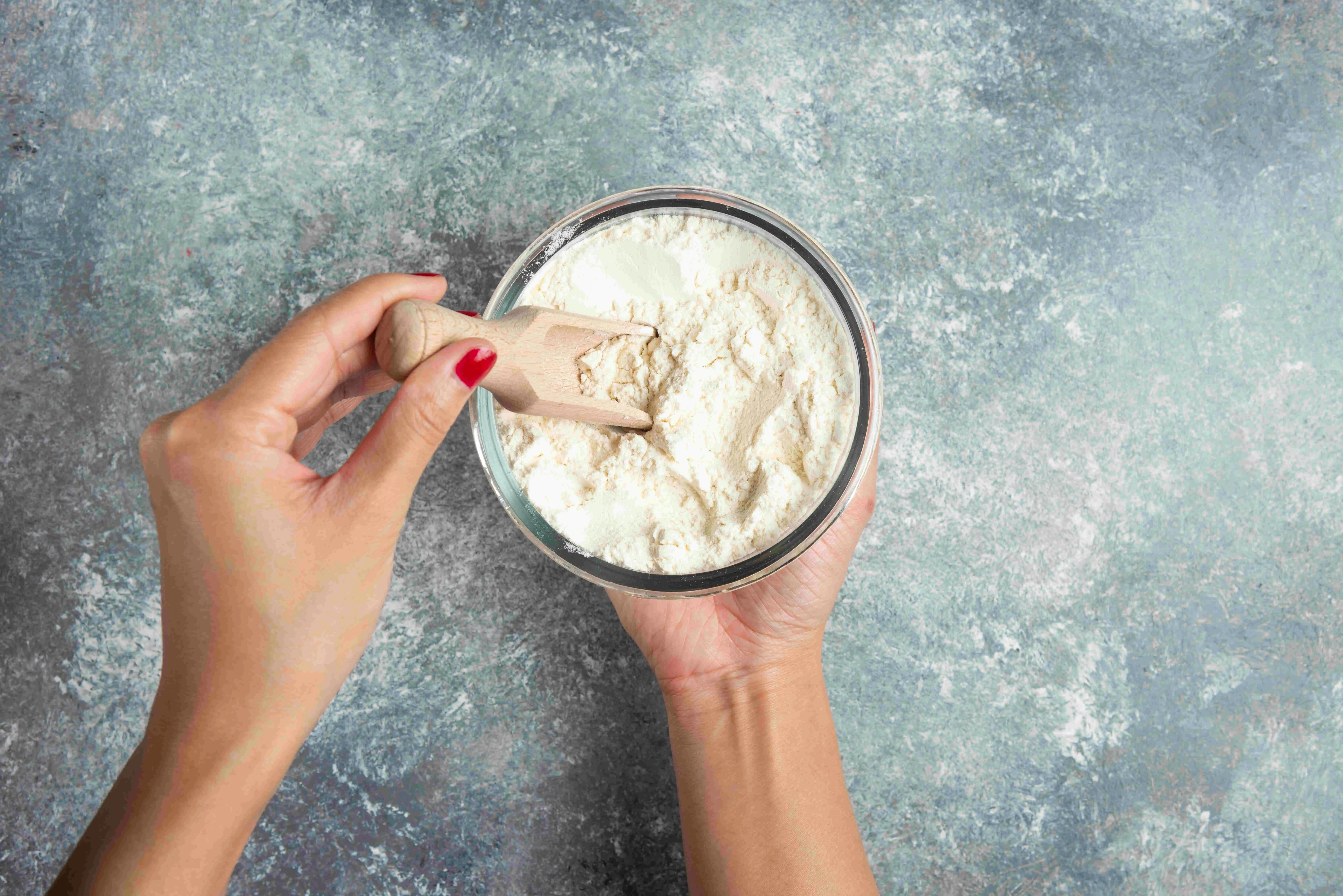
Creatine for Menopause: Benefits, Side Effects & Dosage
Discover how creatine can support women during menopause. Learn about benefits for muscle, brain, and energy, plus recommended dosage and possible side effects
Menopause is often accompanied by changes that many women clearly feel: muscle mass decreases, fat mass increases more easily, physical performance changes, and some report exhaustion, concentration problems, or the feeling of not being as resilient as before. Against this background, creatine is increasingly coming into focus outside of sports as well.
The substance is primarily known as a supplement for muscle building. Meanwhile, it is also being discussed in connection with healthy aging, muscle function and partly cognitive health discussed. Especially important for women during and after menopause, as the decline in estrogen is associated with changes in muscles, bones, and metabolism. Current reviews see potential here, but also emphasize that the evidence is uneven depending on the endpoint.
Can creatine help during menopause?
Possibly yes – especially in combination with strength training. Studies suggest that creatine can support muscle mass, strength, and physical function in postmenopausal women. For other areas such as brain fog, mood, or typical menopausal symptoms, the data is so far much more limited. Creatine is therefore not a miracle cure for menopause, but could be a useful component in certain situations.
What Is Creatine and How Does It Work?
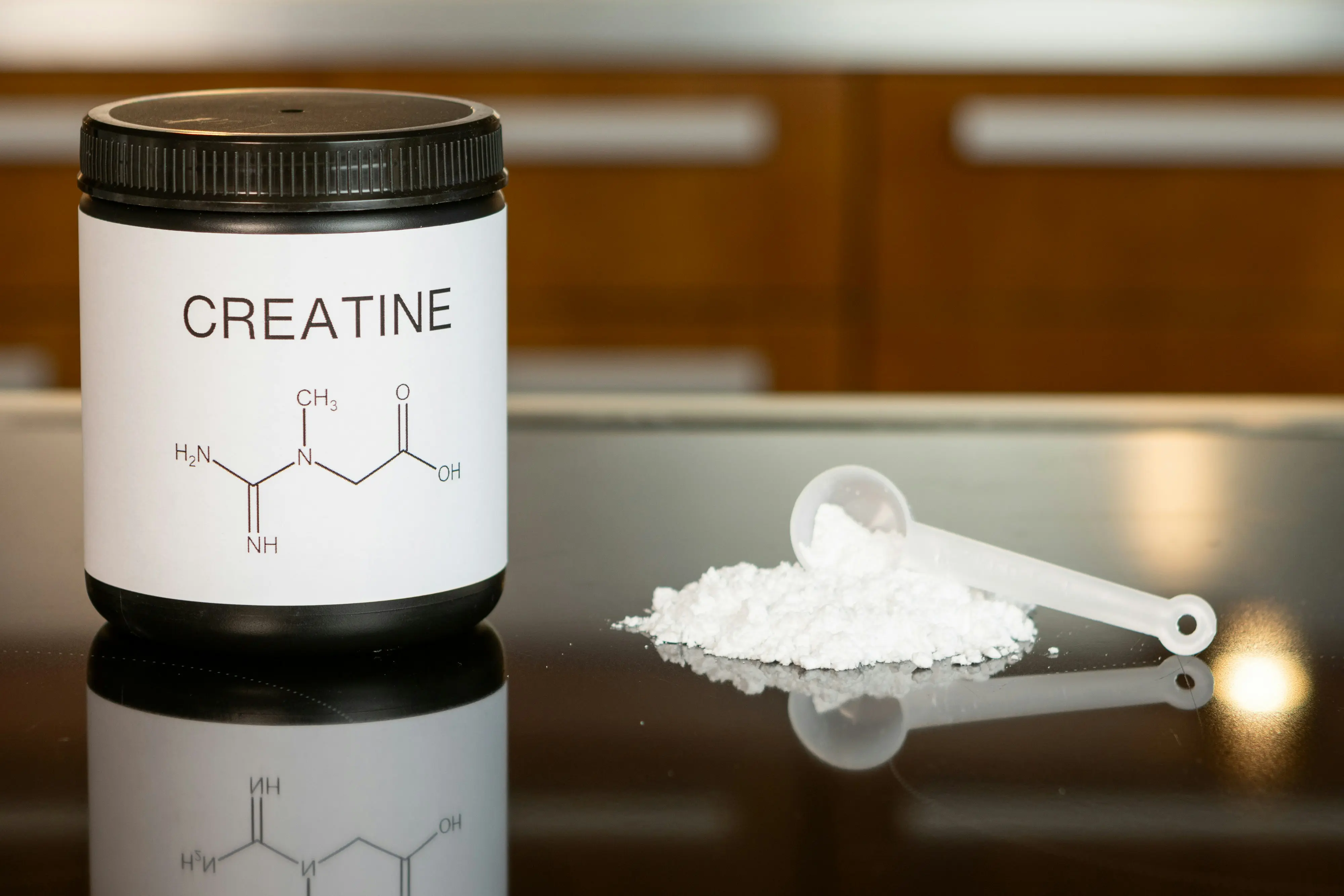
Creatine is a naturally occurring compound in the body, primarily stored in muscles where it plays an important role in quick energy supply. It is also obtained through food, mainly meat and fish. As a supplement, it is usually creatine monohydrate used.
In sports medicine, creatine has been considered one of the best-researched supplements for supporting muscle strength and performance-oriented training for years. The scientific discussion has now expanded: studies are also examining whether creatine can help older adults and postmenopausal women mitigate unfavorable changes due to aging or hormones.
With menopause, body composition and muscle metabolism change. Studies and reviews describe, among other things, a decline in muscle mass, an increase in fat content, and in the long term, an increased risk of limitations in strength and function. That is precisely why strategies are being sought to preserve muscle and physical performance as well as possible.
Creatine is particularly interesting in this context because it supports energy availability in the muscle and, together with strength training, could have positive effects on strength, lean mass, and physical function. For women in menopause, the real question is not whether creatine is a “miracle cure,” but whether it can be useful as a supplement to exercise and strength training. can make sense.
What studies show so far
1. Best studied: Muscle mass, strength, and function
The most robust data is currently available for muscle health. Studies report that creatine can have benefits for postmenopausal women, especially in combination with strength training, such as in lean mass, walking speed, or functional parameters. However, the results are not consistent across all studies: Some randomized studies show added benefits, while others find no clear advantages in all strength values.
In practice, this means: Creatine is most plausible where it is not isolated but used together with regular resistance or strength training. It is not suitable as a replacement for training according to current knowledge.
2. Possible effects on brain and cognition
A second, much newer research area concerns the brain and nerve function. A newer overview on women's health describes evidence that creatine during certain phases of a woman's life, including after menopause, could potentially support mood and cognition. At the same time, the authors explicitly emphasize that the data for perimenopausal women is still limited.
Additionally, there is a small recent study on peri- and menopausal women, describing a potential for clinical and brain metabolism-related parameters. Such results are interesting but are not yet sufficient for reliable general recommendations.
3. Bones and Body Composition
Also for Bone Mineral Density and body composition, creatine is discussed. Individual studies and reviews suggest that creatine along with exercise might help buffer unfavorable changes in lean mass. For bone health, however, the evidence is currently less clear than often portrayed. A recent review on older adults describes positive signals in certain areas, but not a consistent picture that would already carry a clear recommendation solely for bone protection.
For whom creatine could be useful during menopause
Creatine currently seems most interesting for women in or after menopause who want to specifically maintain muscle strength and physical performance, regularly engage in strength training or want to start, and have no known medical contraindications. Especially in a phase of life where muscle loss, strength loss, and changed body composition become more common, creatine can be discussed as an additional measure.
Creatine is less useful if the expectation is mainly to directly address typical menopausal symptoms such as hot flashes, sleep problems, or weight gain. The current data is not sufficient for this. Creatine is more of a possible component in an overall concept of exercise, strength training, nutrition, and medical support – not a cure-all for menopause.
Does creatine make you fat during menopause?
This concern often arises but is not justified in such a general way. Creatine usually does not lead to an increase in body fat. However, temporary water retentionis possible, especially at the beginning of intake. These can be noticeable on the scale and are sometimes misunderstood as weight gain. However, this does not automatically mean more fat mass.
Especially in connection with strength training, body composition can even change in favor of fat-free mass. Therefore, those who take creatine should not only look at body weight but also at how strength, performance, and general body feeling develop.
What one should not infer from the data
Especially with supplements, more is often promised than studies can deliver. For women in menopause, the current literature cannot convincingly deduce that creatine specifically alleviates hot flashes, "balances hormones", automatically helps with weight loss, or noticeably prevents muscle loss without training. The data tends to support a supporting effect in a comprehensive concept, especially around strength training, maintaining muscle mass, and possibly functional performance.
Potential Side Effects and Safety
Creatine is generally considered relatively well researched and generally well tolerated when used in recommended dosages. A frequently cited review article by the International Society of Sports Nutrition concludes that creatine is generally well tolerated when properly used. Typical mild side effects include gastrointestinal discomfort or temporary water retention.
Nevertheless, caution is advisable here as well. People with kidney diseases, unclear pre-existing conditions or regular medication intake should not start supplementation without medical consultation. Good tolerance in studies does not mean that creatine is automatically suitable for everyone.
Who Should Consider Creatine During Menopause?
Anyone who wants to try creatine during menopause should preferably opt for a well-researched preparation such as creatine monohydrate set. It is also important to have realistic expectations: creatine neither replaces strength training nor a balanced diet. Its possible benefits are mainly evident where an active lifestyle already exists or is being actively pursued.
It also makes sense to pay attention to your personal health situation. In the case of kidney disease, chronic complaints, or regular medication intake, the intake should be clarified in advance by a doctor. Especially with dietary supplements, caution is advised when advertising promises sound greater than the data available.
Conclusion
Creatine in menopause is a serious topic - but not a free pass for exaggerated promises. The existing study situation suggests most that creatine in combination with strength training can have positive effects on muscle mass, function, and, in some cases, physical performance in postmenopausal women. For cognition, mood, or other menopause-related complaints, there are interesting but still limited indications.
Those considering creatine during menopause should therefore not view it as a lifestyle hype but as a possible supplementary measure in a comprehensive concept consisting of exercise, strength training, nutrition, and individual medical advice.
FAQ
Can creatine help build muscle during menopause?
Possibly yes, especially when combined with strength training. The existing evidence is strongest here.
Does creatine help with brain fog during menopause?
There are some initial interesting indications, but not yet a strong enough data basis for a clear recommendation.
Does creatine cause weight gain during menopause?
Typically not in terms of fat gain. Temporary water retention is possible, especially at the beginning. Body composition may shift in favor of lean mass with training.
Is creatine safe for women post-menopause?
At recommended dosages, creatine is generally considered well-tolerated. If there are kidney issues or other pre-existing conditions, intake should be clarified with a doctor.