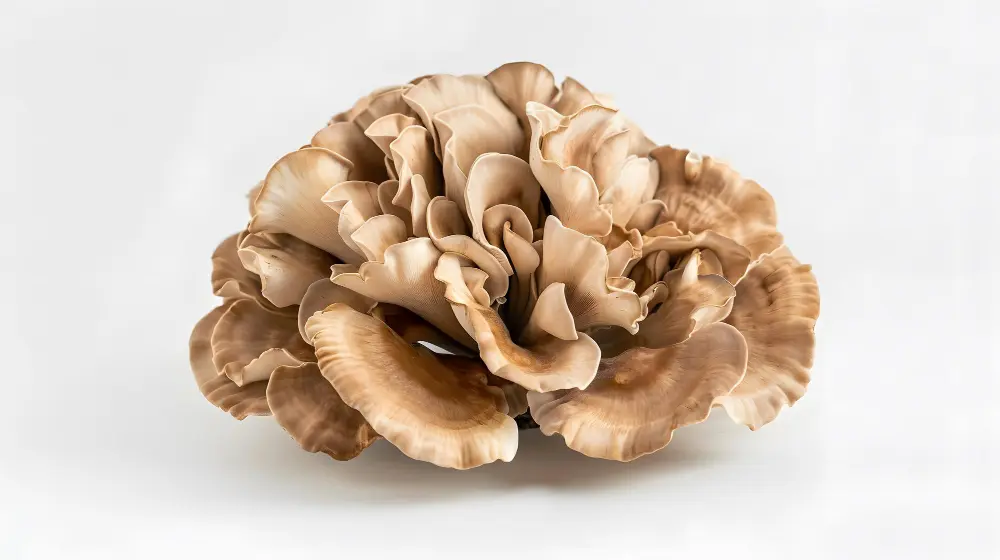
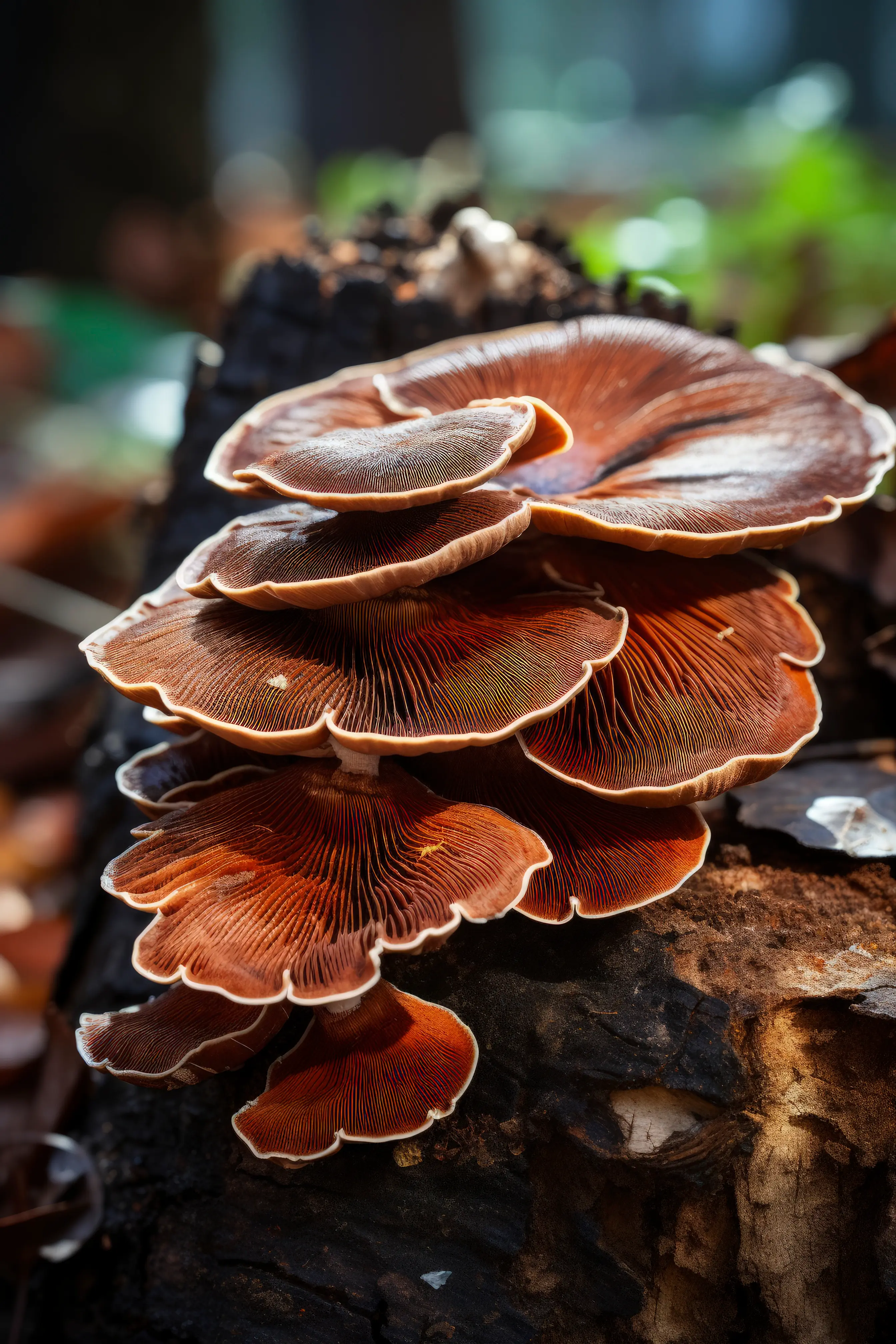
© Freepik
September 27, 2026
Hanja Niederhammer
From traditional medicinal mushroom to modern supplement: Cordyceps has long been valued for energy and vitality. Now, early human studies suggest it may also affect the immune system and respiratory health — with promising findings emerging in sports research as well.
Cordyceps has had a remarkable rise. Used in traditional Chinese medicine for centuries, it can now be found as a powder, extract, or capsule in countless dietary supplements. It is said to boost energy, improve endurance, support the immune system, and even help with stress and libido.
For a long time, many of these claims rested primarily on traditional use and findings from laboratory or animal studies. Now, clinical studies in humans are available — and some of them are yielding quite promising results.
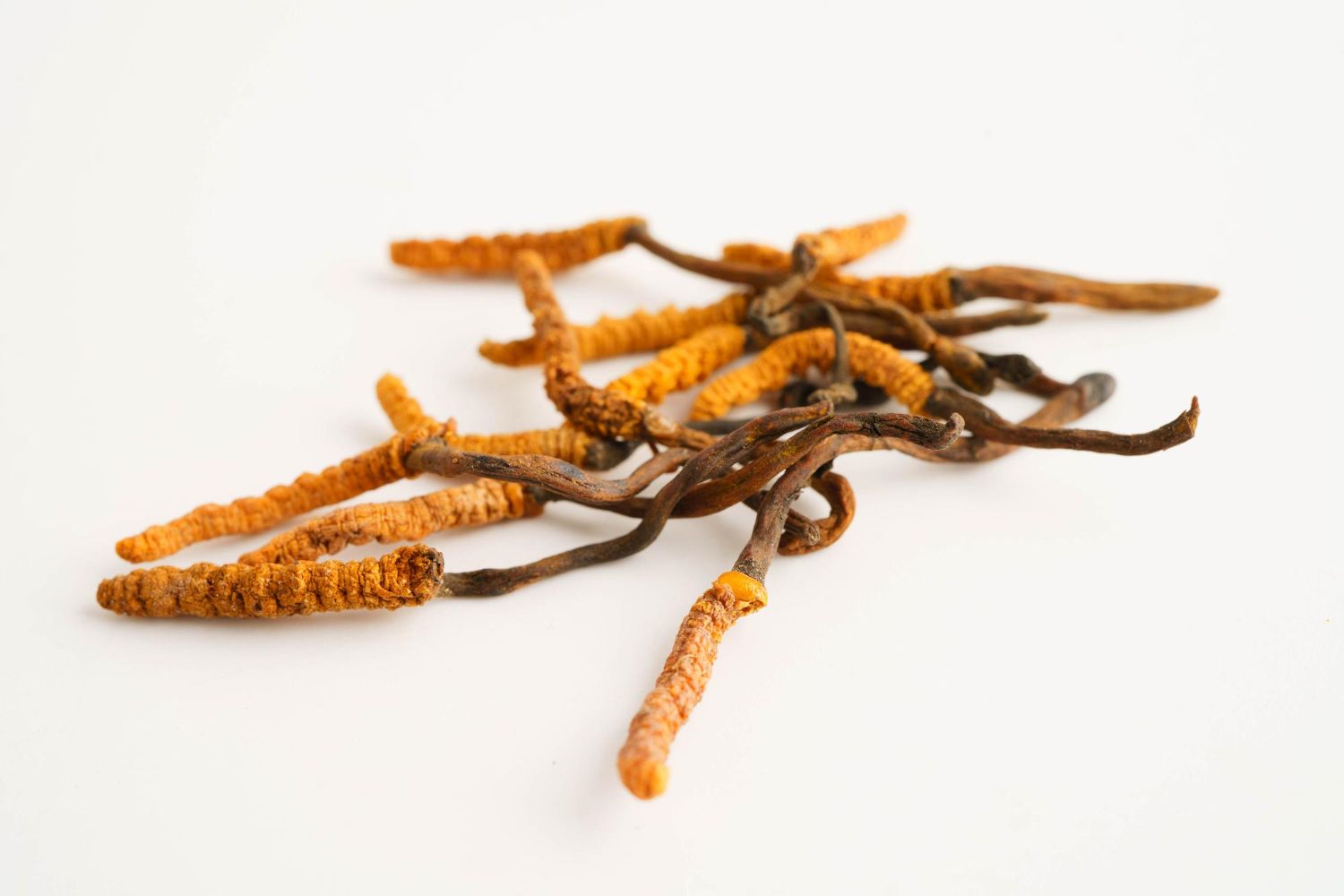
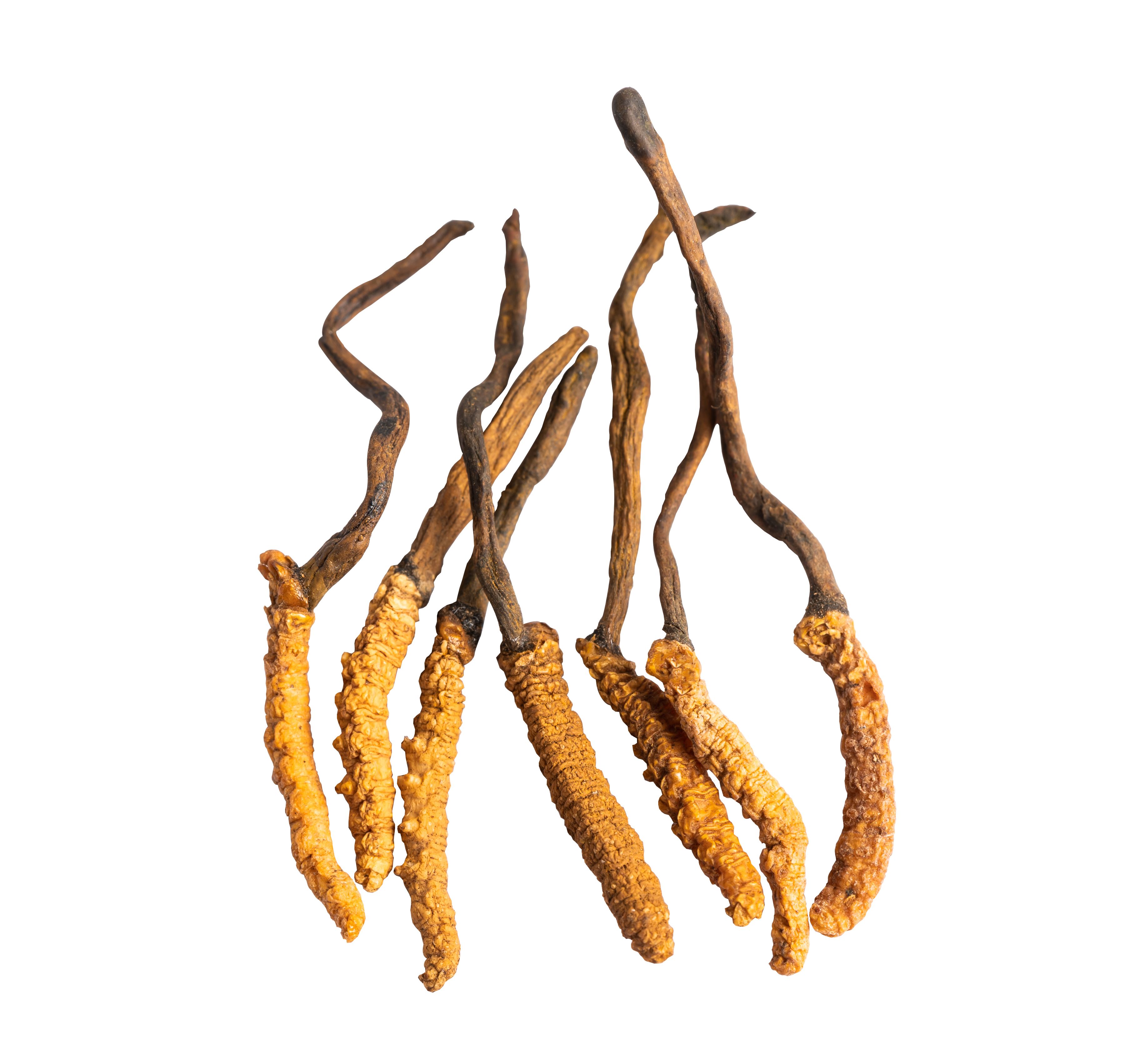
The best-known species is Ophiocordyceps sinensis, formerly known as Cordyceps sinensis. It grows mainly in the Tibetan highlands and has an unusual life cycle: the fungus infects the larvae of certain moth species, grows inside them, and eventually produces a fruiting body.
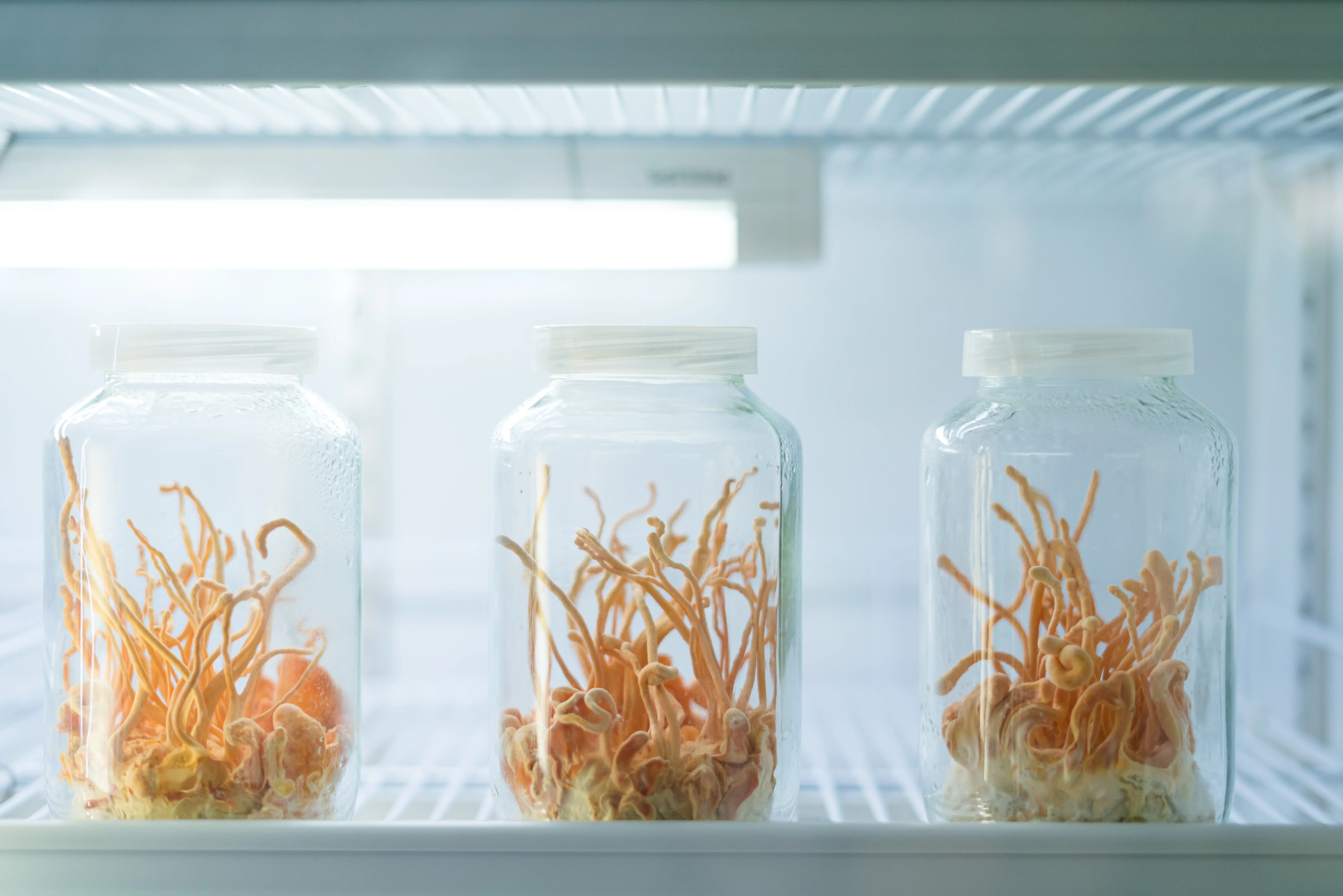
Wild-harvested Cordyceps is rare and correspondingly expensive. Dietary supplements therefore typically contain cultivated forms or other species, such as Cordyceps militaris.
This also complicates research. "Cordyceps" does not refer to a single standardized product. Depending on the study, different fungal species, extracts, and dosages are examined, which means findings cannot simply be applied to every product on the market.
Research has focused on a range of bioactive compounds, including polysaccharides, sterols, and nucleosides such as cordycepin. The latter is found mainly in Cordyceps militaris.
In laboratory and animal studies, components of the mushroom have demonstrated, among other things, antioxidant, anti-inflammatory, and immunomodulatory properties. Researchers are now increasingly investigating whether such effects can also be observed in humans.
Evidence of such an effect was found in a randomized, placebo-controlled study from 2024. 40 healthy men and women consumed either a fermented beverage containing Cordyceps militaris or a placebo for eight weeks.
The activity of natural killer cells changed over the course of the study. These immune cells are part of the innate immune defense and help the body identify virus-infected or abnormal cells.
In men, activity increased after four weeks compared to baseline; in women, after eight weeks. In women, a significant difference compared to the placebo group also emerged at the eight-week mark. Other immune parameters examined did not change substantially.
This small study cannot tell us whether Cordyceps protects against colds or other infections. What it does show, however, is that the mushroom appears to genuinely interact with the immune system — and that is precisely what makes it so interesting to researchers.
More energy and better endurance are among the most widely cited benefits associated with Cordyceps. Research in humans is now available on this topic as well.
A randomized, double-blind study from 2026 examined twelve physically active young men. Thirty minutes before a maximal exercise test on a bicycle, participants took either one gram of a standardized Cordyceps militaris extract or a placebo.
After exercise, the men who had taken Cordyceps responded faster on a cognitive test. Their oxygen uptake was also elevated even at rest. However, the single dose had no significant effect on physical responses during the exercise itself.
Earlier studies have also looked at Cordyceps and endurance. In a placebo-controlled study, three weeks of supplementation led to improvements in maximum oxygen uptake and time to exhaustion, among other measures. However, the product used contained additional mushroom components alongside Cordyceps militaris, making it impossible to determine how much of the effect was attributable to Cordyceps alone.
The studies conducted to date are small and use different preparations, so no clear picture has yet emerged regarding athletic performance enhancement. It is nonetheless noteworthy that measurable effects are now being observed in humans — ranging from changes in oxygen uptake to faster reactions following physical exertion.
The most striking clinical results so far come from people with chronic bronchitis.
A randomized, double-blind, placebo-controlled study from 2024 enrolled 240 patients across eight clinics in China. For 48 weeks, they received either Bailing capsules containing Hirsutella sinensis or a placebo.
The difference was striking: during the treatment period, the Cordyceps group experienced an average of 0.43 acute exacerbations of bronchitis, compared with 1.56 in the placebo group. Symptoms also improved — after treatment, sputum production and wheezing were both less pronounced.
Lung function itself, however, showed no significant difference between the two groups.
Of course, a specialized preparation for chronically ill patients cannot simply be equated with off-the-shelf Cordyceps capsules. Even so, the result is remarkable: for one of the mushroom's traditional applications, a clear effect has now been demonstrated in a larger clinical trial.
The gut has also become a focus of Cordyceps research, driven largely by the polysaccharides found in the mushroom.
In preclinical studies, these compounds were able to influence the composition of the gut microbiome and had effects on the intestinal barrier and inflammatory processes. A study in pigs also found changes in the gut flora along with increased production of short-chain fatty acids such as butyrate.
These substances are produced when gut bacteria break down certain dietary components and are important for the intestinal mucosa, among other things. Whether the same holds true in humans is not yet known, but the mechanisms by which Cordyceps might act in the gut are becoming increasingly clear.
Boosting energy has always been central to Cordyceps's reputation. Today, the mushroom is frequently marketed as an adaptogen — a natural substance intended to help the body handle stress more effectively.
There are indeed some intriguing findings from laboratory and animal studies, including effects on oxidative stress, inflammatory processes, and signaling pathways in the brain. Fatigue and depressive symptoms also feature in the research.
Here, however, tradition still outpaces the science. Whether Cordyceps actually makes people calmer, more resilient, or less fatigued has not yet been adequately studied.
Cordyceps's reputation as an aphrodisiac predates today's supplement trend. In traditional Chinese medicine, it has long been associated with vitality and sexual function.
There are relevant findings from basic research on this topic. Cell and animal experiments have observed, among other things, changes in testosterone production and sexual activity.
Whether these effects translate to humans remains an open question. A meaningful increase in testosterone or libido through Cordyceps has yet to be demonstrated in well-designed clinical studies.
Anyone looking to buy Cordyceps will likely encounter several different names.
Ophiocordyceps sinensis is the famous caterpillar fungus from the Tibetan highlands. Wild-harvested specimens are rare and very expensive, so dietary supplements typically use cultivated forms or products derived from them.
Cordyceps militaris can be deliberately cultivated and is also widely used in supplements. It contains, among other things, cordycepin — one of the compounds receiving the most intensive attention in Cordyceps research.
When evaluating dietary supplements, it is therefore worth looking beyond the name Cordyceps to check which species and which extract are actually included.
Cordyceps is available as a powder, capsule, extract, or drink. There is currently no universally accepted dosage at which a specific health effect reliably occurs.
Clinical studies are also of limited use in establishing a general dosage recommendation, as they employ widely varying preparations and quantities. The dosages used in those studies should therefore not be taken as automatic guidance for everyday use.
At least over shorter periods, Cordyceps militaris appears to be generally well tolerated at the amounts studied so far.
A systematic review from 2026 evaluated five human studies on safety. The reported side effects were predominantly mild and infrequent, and no consistent signal emerged for serious adverse effects or damage to the liver, kidneys, or blood counts.
However, the studies were small, used different preparations, and were mostly short in duration. The authors therefore rated the overall quality of the safety evidence as low to very low. In particular, little is known about long-term use or possible interactions with medications.
Anyone who takes medication regularly or has pre-existing conditions should consult a medical professional before use. Sufficient safety data are also lacking for pregnant women, breastfeeding mothers, and children.
Cordyceps has made the leap from traditional Chinese medicine into modern research — and some of what has been attributed to the mushroom for centuries can now be observed in humans as well. The findings on the immune system and chronic bronchitis in particular suggest there may be more to this ancient medicinal mushroom than tradition alone.
Good human studies are still lacking for many of the effects marketed today. But researchers are now taking Cordyceps seriously, and in the coming years it should become much clearer exactly where its true strengths lie.

Hearing loss is linked to a higher risk of dementia – yet declining hearing often goes untreated for far too long. ENT specialist Prof. Dr. Christopher Bohr explains how hearing affects the brain and why it can be important to act early.
Christine Bürg & Marianne Waldenfels

An interview with
Prof. Dr. Christopher Bohr