Feel good, live better
Im Podcast „Feel good, live better“ spricht Stephanie Neureuter, Herausgeberin von Premium Quarterly, mit Mediziner:innen, Ernährungs- und Mental-Health-Expert:innen sowie weiteren spannenden Persönlichkeiten. Wie im Print-Magazin „Premium Quarterly“ geht es um Health und Wellbeing und darum, wie wir ein glückliches langes Leben führen können – persönlich, inspirierend, informativ. Immer mittwochs, bei Spotify, Google Podcasts, Deezer, Amazon Music und Audible.
Der Podcast von Premium Medical Circle
In der ersten Staffel trifft PQ-Herausgeberin Stephanie Neureuter unter anderem den Dermatologen Dr. Timm Golüke, den Orthopäden und Digital-Health-Experten Dr. Dominik Pförringer, den Sportzahnmediziner Dr. Siegfried Marquardt, the entrepreneur Stephanie Neumann as well as the plastic surgeon Dr. Caroline Kim.
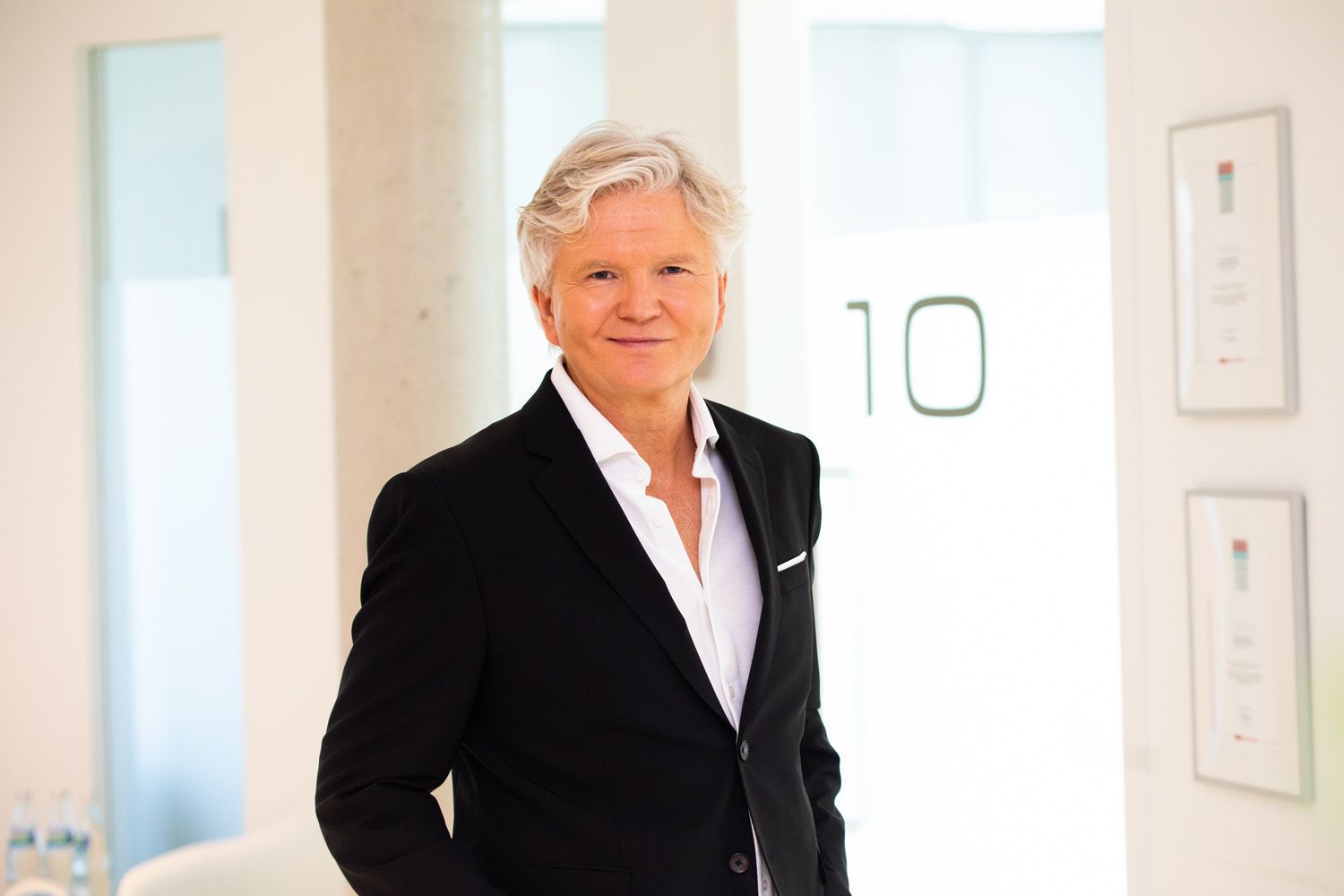
Macular degeneration, cataracts and glaucoma: Prevention and treatment of the most common eye diseases. With Raphael Neuhann
About 700,000 times a year in Germany the Cataract operated on. Successfully. Because by replacing the cloudy lens, the aging process can be reversed. This is different with Glaucoma and macular degeneration - along with cataract, the most common eye diseases.
That's why prevention is so important here (it protects against blindness) and how to recognize cataract or macular degeneration is discussed by Raphael Neuhann in the current episode of "Feel good, live better."
The ophthalmologist, who runs the Neuhann Ophthalmology Center in Munich with his father, also reveals who is particularly at risk and what treatment options are available today.
Listen now!