© Damir Mijailovic
Kudzu is said to prevent cardiovascular diseases and help lower blood pressure.
February 1, 2026
Birgitta Dunckel
Kudzu is considered a medicinal plant in Asia—used for menopausal symptoms and even cardiovascular issues. How does it work and how is it applied?
For a long time, Kudzu was hardly known outside of Asia. Now the plant is increasingly appearing in online shops, health blogs, and naturopathic forums. People especially interested in plant-based alternatives are drawn to the root from Traditional Chinese Medicine – for example, for menopausal symptoms or the desire to drink less alcohol.
It's no wonder that researchers are now taking a closer look at the plant. A substance called puerarin is particularly in focus.
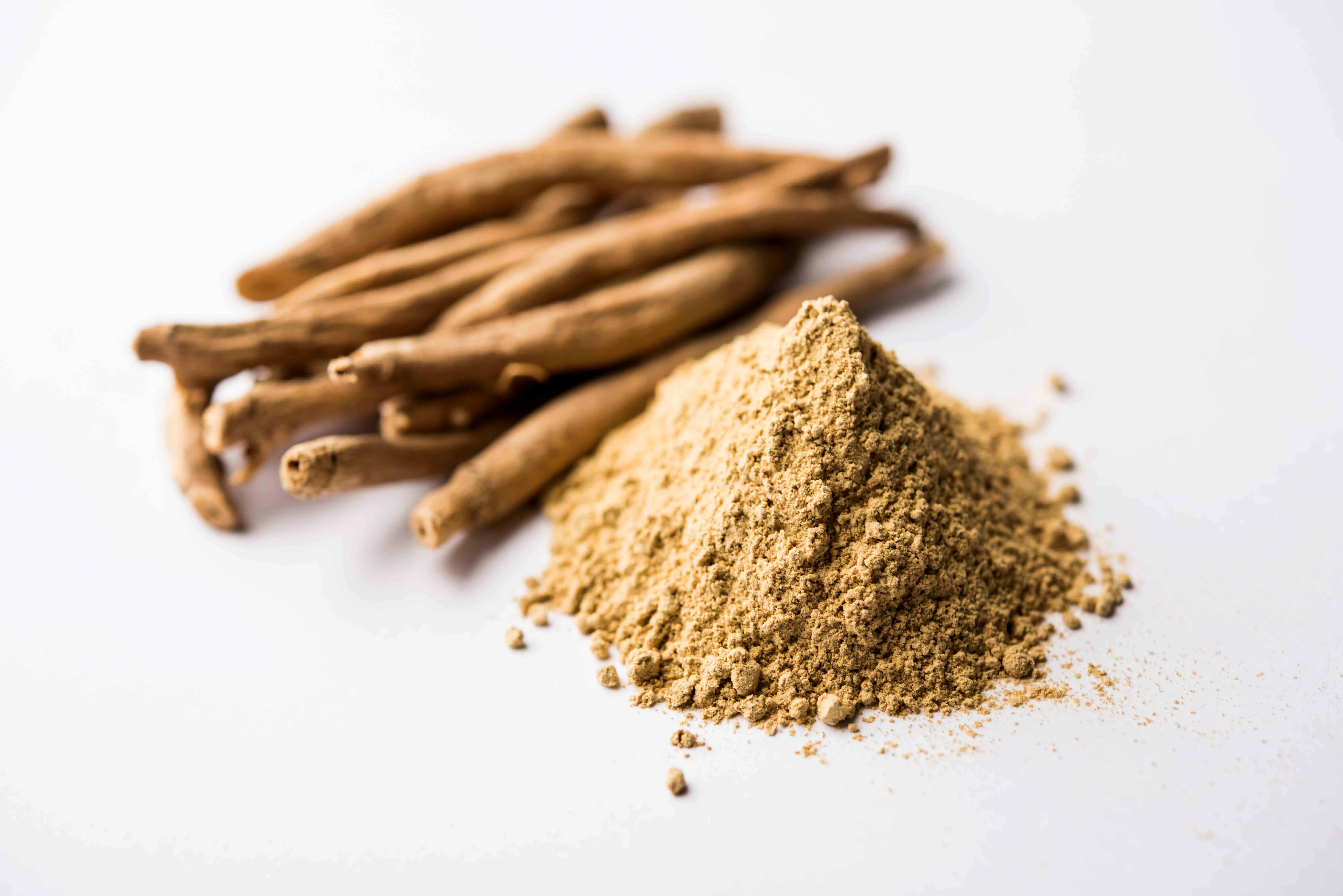
Kudzu (Pueraria montana) is a fast-growing climbing plant from Asia. It originally comes from China, Japan, and India. There, the root has been used for centuries—not only in herbal medicine but also partly in cooking.
However, the plant grows so aggressively that it is now considered a problem in parts of the USA. Entire trees and houses are overgrown by Kudzu there. However, this very resilience has also sparked scientific interest.
The root is primarily used. It contains various plant substances that are attributed with positive effects on the body.
This is mainly due to the potential effects that are frequently discussed. Kudzu is said to:
Much of this is not yet scientifically proven. Nevertheless, Kudzu is considered an exciting medicinal plant by many because initial studies sound quite interesting.
Kudzu became particularly well known through studies from the USA. Researchers at Harvard Medical School observed that participants drank less beer after taking kudzu extract than the control group.
Why that might be is still being debated. Some suspect that puerarin affects how alcohol is absorbed by the body. This could lead to the feeling of having "had enough."

However, this does not mean that kudzu replaces therapy. In cases of alcohol dependence, medical help remains crucial.
Nevertheless, many people report that they drink more consciously with kudzu or feel less craving. Whether the plant is actually behind this or whether the placebo effect also plays a role is hard to say.
In this area too, kudzu is increasingly being discussed positively. The reason: The plant contains isoflavones. These secondary plant substances are similar in structure to the female hormone estrogen.
Some women therefore use kudzu for:
Smaller studies suggest that complaints might actually improve. At the same time, experts emphasize that the data situation is still relatively thin. Reliable statements can hardly be made so far.
The research mainly focuses on the so-called isoflavones and puerarin.
This plant compound belongs to the flavonoids. It is attributed with vasodilatory and antioxidant properties. In some Asian countries, puerarin is even used as a supplement in medicine.
These include substances such as daidzein or genistein. Because they have hormone-like effects, researchers are particularly interested in possible effects during menopause.
In addition, kudzu also contains starch and fiber. In Japan, the root is traditionally used to thicken foods.
In this country, kudzu is mostly sold as a dietary supplement. Typical forms are:
Many prefer capsules because the dosage is easier. The powder, on the other hand, often ends up in smoothies or in hot water.
How quickly an effect occurs is hard to say. Some report changes after just a few days, while others notice no difference for weeks.
The market for dietary supplements is now huge – and not every product delivers what the packaging promises.
Anyone who wants to buy Kudzu should therefore look for:
High-quality preparations usually indicate how high the proportion of puerarin or isoflavones is. With extremely cheap products without precise declaration, one should be skeptical.
The plant is not entirely harmless. Mainly due to the hormone-like isoflavones, Kudzu should not be taken permanently and uncontrolled.
Particularly cautious should be:
Additionally, it can interact with medications. Anyone who regularly takes medication or suffers from chronic illnesses should seek medical advice beforehand.
Kudzu is one of the most exciting medicinal plants from Asian natural medicine. Especially the possible effect on alcohol cravings and menopausal symptoms makes the plant interesting.
The current studies do provide indications that certain ingredients could actually have an effect. At the same time, much is still not sufficiently researched.
Anyone who wants to try kudzu should therefore not expect miracles – and pay attention to high-quality products. As a supportive natural remedy, the plant can be interesting. However, it does not replace medical treatment.
Traditionally, kudzu is used for menopausal symptoms, stomach problems, and alcohol cravings, among other things.
There is currently no conclusive scientific evidence for this. However, some users report positive experiences.
This varies from person to person. Some notice changes after a few days, others only after several weeks.
Yes. People with diabetes or those taking certain medications should be cautious.
Yes. Kudzu is legally sold in Germany as a dietary supplement.

Physiotherapist and health coach Andreas Stollreiter discusses the philosophy of osteopathy, identifying the root causes of pain and illness, and the surprising links between the musculoskeletal system, digestion, the nervous system, and mental health
Christine Bürg and Marianne Waldenfels