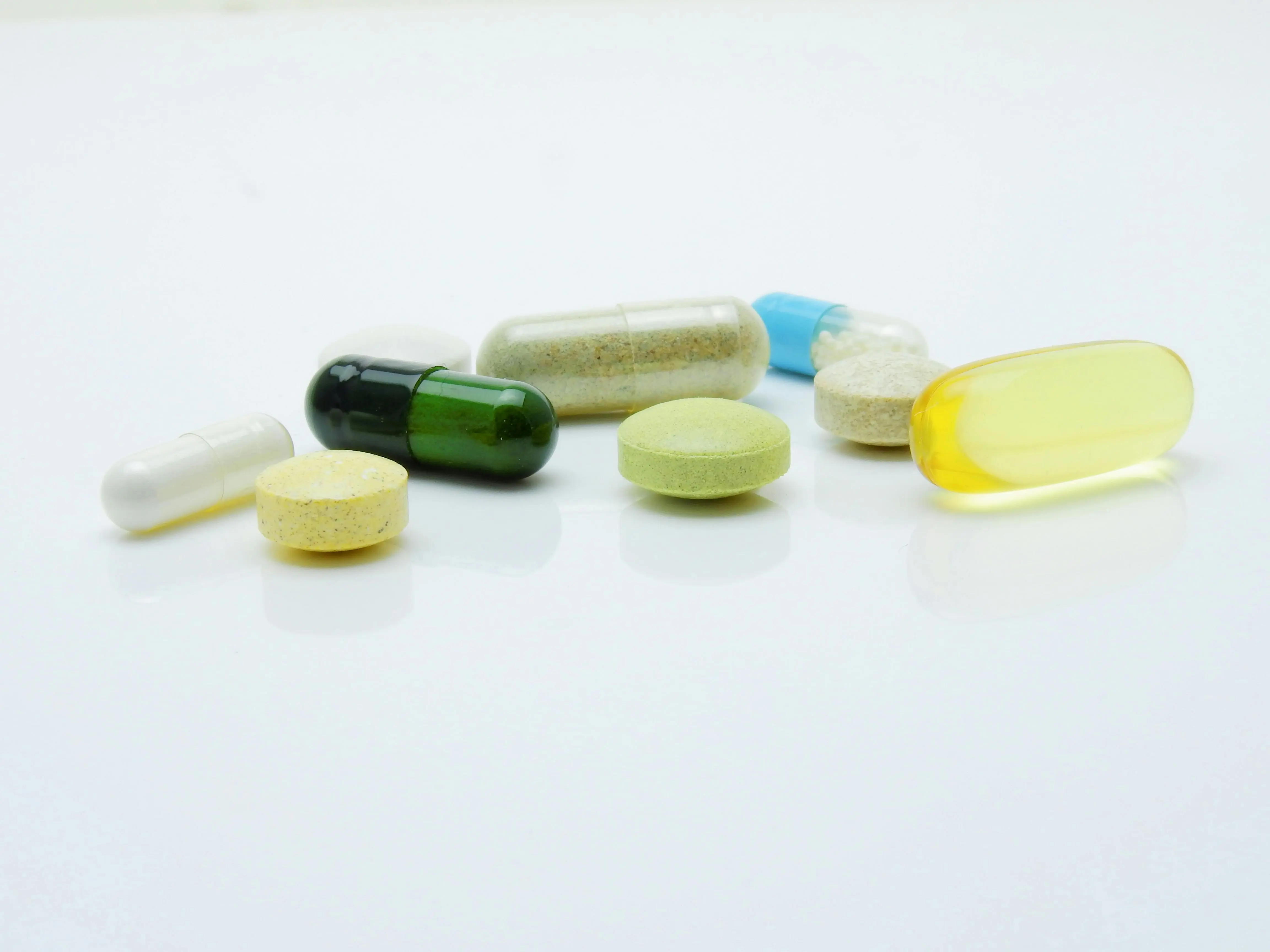
When it comes to supplements opinions really differ. While some are convinced that supplements do more harm than good, others are completely convinced of their effectiveness.
For example, when you look at people like Bryan Johnson, who famously doesn’t want to die and takes over 100 different pills a day, it becomes clear that there are also very extreme advocates who believe that supplements make a big and, above all, positive difference to our quality of life and life expectancy.
Personally, it's the middle ground that I feel most comfortable with. I have discovered a few selected supplements for myself that really make a difference in my eyes and I try to take them daily. Here are my top 6!
Vitamin C ester or liposomal Vitamin C
Both have optimal bioavailability and are excellently absorbed by the body. High-quality vitamin C supports the immune system, as well as the skin's collagen synthesis and is also involved in the formation of elastin, fibronectin, and proteoglycan. I usually take 1000 mg a day. Vitamin C cannot be overdosed, as the body simply excretes excess vitamin C.
Magnesium glycinate in the evening
Probably the most important supplement for me. I sleep Magnesium better and faster, it really helps me to switch off. It is important that it is magnesium glycinate, as it has been proven to have a calming effect on our nervous system.
NMN
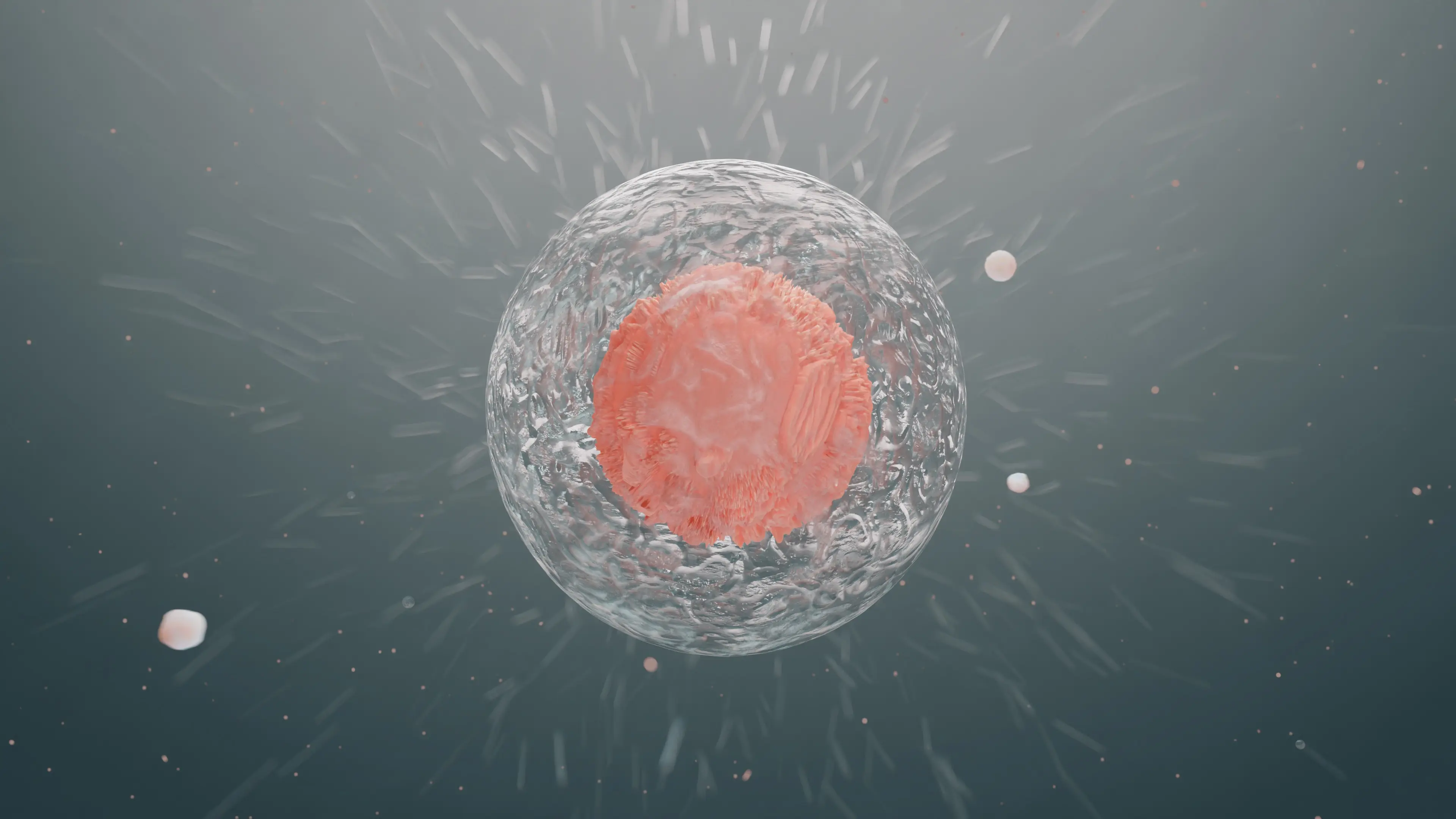
Made famous by the scientist David Sinclair, NMN is probably one of the most promising anti-aging supplements currently on the market. Nicotinamide mononucleotide (short NMN) is converted in the body to NAD+, a coenzyme involved in various cellular processes, including cell metabolism.
The NAD+ level in the body decreases over the years. By the age of 50, we only have about half of the original amount. In addition, the so-called telomeres become shorter with age. With a high NAD+ level, this shortening can be delayed, so that in the end we age more slowly. It acts like a refreshing treatment for our cells.
I take NMN together with betaine, which is supposed to support the conversion to NAD+ positively. Betaine (TMG) also lowers homocysteine in the blood. There are now some studies confirming the effectiveness and safety of NMN. Although research is still in its infancy, to me it already sounds so convincing that I like to integrate it into my supplement routine. If it still seems too uncertain for you, you can also fall back on the precursor vitamin B3.