© Deeana Creates
August 8, 2026
Marianne Waldenfels
On hot summer nights, sleeping naked seems like the obvious solution. But do you actually sleep better without pajamas — and is it actually healthier? Here's what the science says.
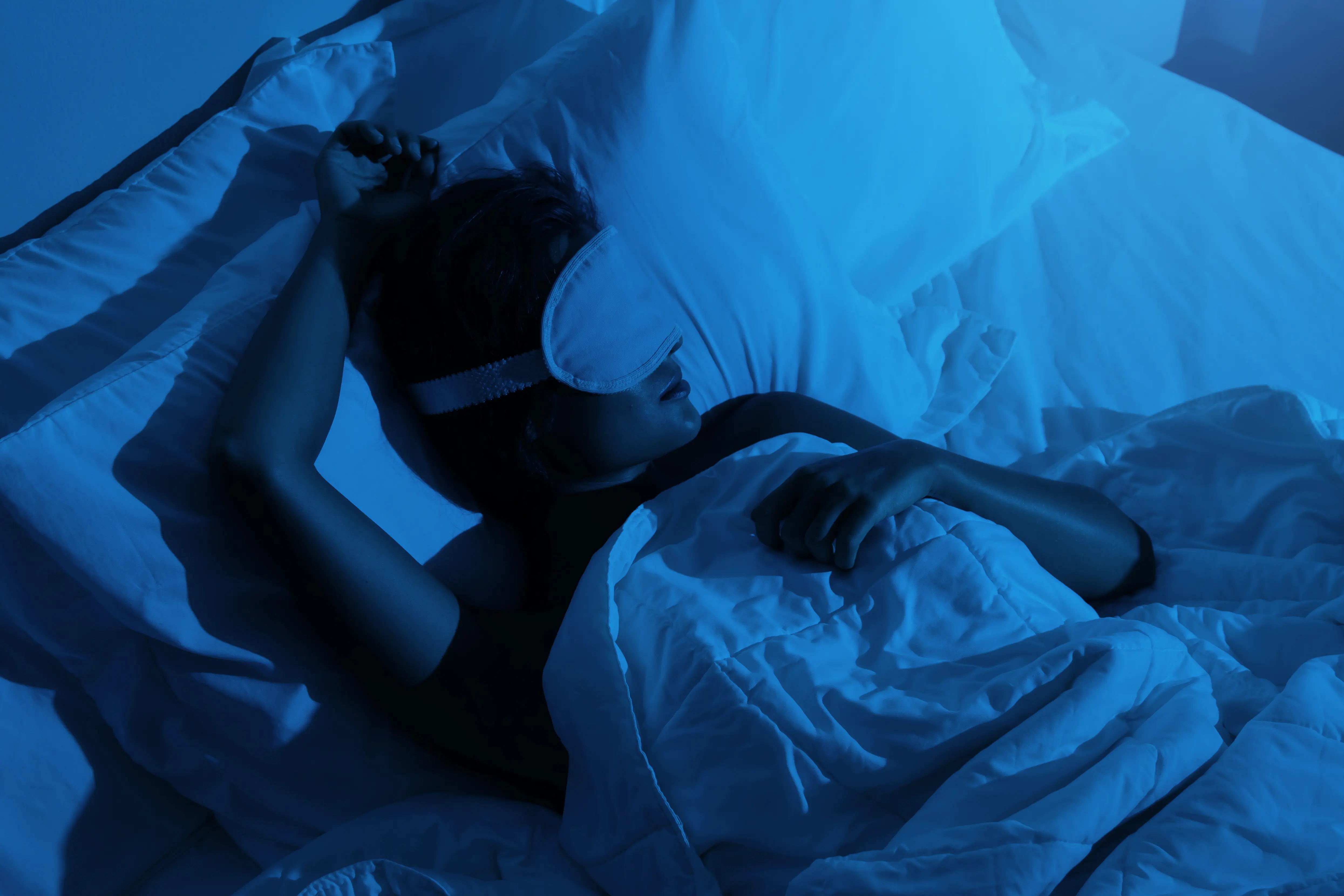
During the warm summer months especially, many people find their pajamas ending up on the floor beside the bed almost by themselves. But regardless of the season, some people swear by sleeping naked. Online, sleeping without clothes is now credited with all kinds of remarkable health benefits: you're supposed to fall asleep faster, sleep more deeply, boost your metabolism, and even lose weight more easily.
But is sleeping naked actually healthy?
The short answer is: it can make sense under certain circumstances. That said, there is so far only limited research directly comparing sleeping naked with sleeping in pajamas. Something else is far better studied: temperature. And that may be precisely what explains why ditching the pajamas makes a real difference for some people.
To fall asleep, the body adjusts its temperature regulation. Core body temperature begins to drop in the evening, a process closely tied to our sleep-wake cycle. If the body becomes too warm, however, it can disrupt sleep quality.
Most people notice this most clearly in summer: it takes longer to fall asleep, you wake up more often, and sleep feels less restorative. Large studies using real-world sleep data also show that higher nighttime temperatures are associated with shorter sleep duration.
What we wear in bed plays a role here. Sleepwear and bedding create their own microclimate around the body and influence how effectively heat and moisture can be released.
A systematic Journal of Sleep Research published in 2024 therefore examined review what influence different materials in sleepwear and bedding have on sleep. The researchers concluded that materials can indeed affect sleep through temperature and thermal comfort. However, one thing also became clear: the deciding factor is not simply "less clothing is better." Depending on room temperature, different materials can each offer advantages.

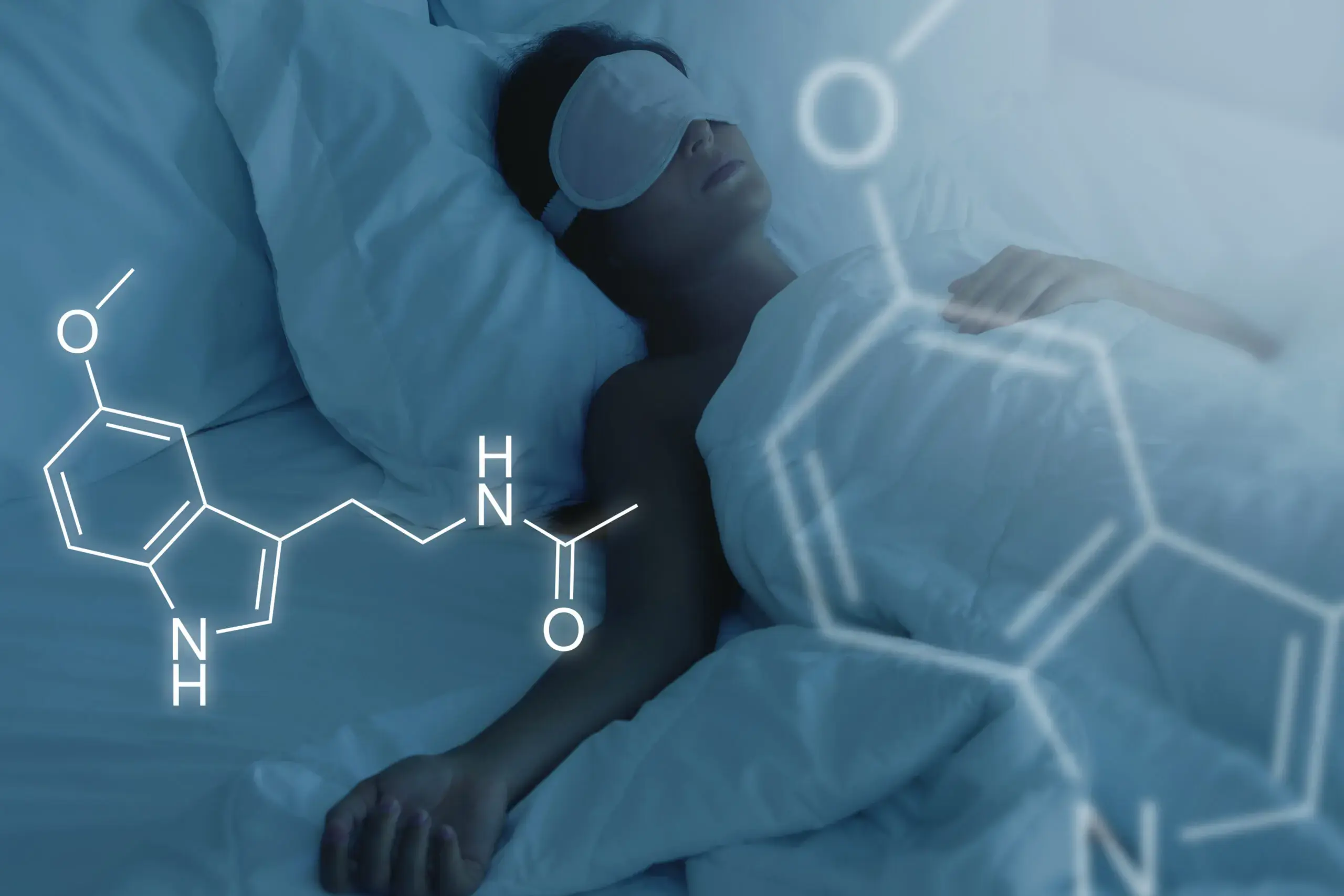
"Feel Good, Live Better". In this podcast episode, Dr. Sarah Quick explains why one in three children today has allergies — and how they can be treated.
Christine Bürg

An interview with

Stress, diet, and teeth grinding can all affect how our teeth age. Dentist Dr. Paul Leonhard Schuh explains the role of healthy gums, lifestyle, and modern dentistry in maintaining a healthy, natural-looking smile.
Christine Bürg & Marianne Waldenfels

An interview with
Dr. Paul Schuh

Biohacking, jaw training and even self-inflicted facial fractures: the quest for the perfect body is becoming increasingly extreme. Prof. Dominik Pförringer explores where self-improvement ends and self-harm begins.
Prof. Dominik Pförringer

By
Univ.-Prof. Dr. med. Dominik Pförringer
Science cannot yet give a definitive answer to this. Studies in which people sleep naked on some nights and in pajamas on others over an extended period — with sleep quality measured objectively — are largely lacking.
Even so, the idea is physiologically plausible: people who overheat quickly at night or sleep in a very warm bedroom may find it easier to release body heat by shedding an extra layer of clothing.
On hot days in particular, sleeping naked can be a simple way to make the microclimate in bed a little more comfortable. Those who tend to feel cold, on the other hand, probably won't benefit. If we get too cold, the body has to compensate — and that, too, can disrupt sleep.
The key takeaway, then, is not simply: sleep naked. It's this: avoid overheating and create a sleep environment in which you neither sweat nor feel cold.
This is where things get interesting — and where claims quickly become exaggerated. Cool temperatures can activate so-called brown adipose tissue. Unlike white fat, brown fat does not primarily store energy; instead, it burns energy to generate heat.
In a small, widely cited study, five healthy men slept for one month at a time in rooms set to different temperatures. After a month at 19 degrees Celsius, the activity and measurable amount of brown adipose tissue had increased, and changes in insulin sensitivity were also observed. When the room temperature was later raised again, these effects reversed.
This quickly gave rise to the popular claim that sleeping naked could help with weight loss. The research, however, does not support that leap. What was studied was ambient temperature — not sleeping without clothes. There is currently no convincing evidence that people lose weight simply by taking off their pajamas.
Sleeping at a comfortably cool temperature may well benefit your sleep. But sleeping naked is not a weight loss strategy.
Another popular claim is that couples could benefit from sleeping naked together: skin-to-skin contact is said to promote the release of the bonding hormone oxytocin, lower stress, and even strengthen the relationship.
It is well established in general terms that pleasant physical contact is associated with neurobiological responses. However, no specific health benefit of sleeping naked can be derived from this. Skin contact, after all, does not require both partners to spend the entire night unclothed.
Sleeping naked is not automatically the coolest or most comfortable option. Light pajamas can absorb sweat and prevent damp skin from lying directly against bedding. Depending on the material and room temperature, the right sleepwear can actually contribute to a more comfortable temperature — which is precisely what research on different textiles suggests as well.
Anyone who tends to feel cold at night should not go without clothing in the name of supposed health benefits. The same goes for people who simply feel uncomfortable without clothes. When it comes to good sleep, comfort matters more than any supposed biohack.
Sleeping naked is neither a health trick nor a mere myth. People who tend to overheat at night in particular may benefit from dropping a layer of clothing. The most likely key effect has little to do with hormones, fat burning, or other spectacular promises — it comes down to one very simple thing: temperature regulation.
So far, science has provided no evidence that being naked is inherently healthier. What matters more is that the body neither overheats nor gets too cold during the night — and that we simply sleep well.