© Karolina Grabowska
Sex kann in den Wechseljahren für viele Frauen ein belastendes Thema sein
August 24, 2026
Sharon Burbat
Sexuality can change during menopause: some women experience less desire, while others find sex more relaxed and fulfilling. Why hormones are only part of the story — and what can help when dryness or pain gets in the way.
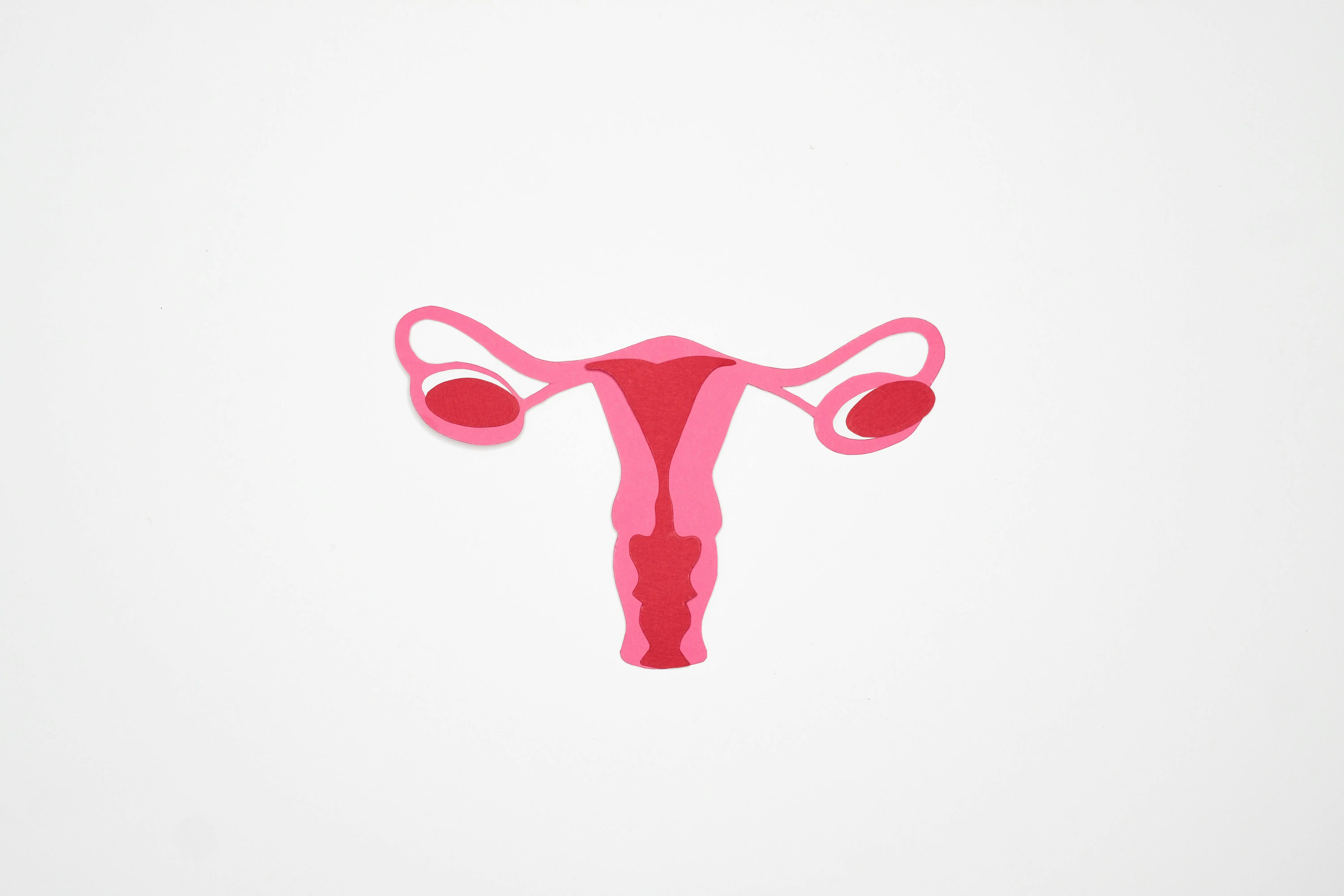
The menopause can bring changes to a woman's sex life as well. Some women feel less desire, while others find the post-menopausal period surprisingly free and relaxed. At the same time, hormonal shifts can leave physical marks: the tissue in the genital area may become drier and more sensitive, touch may feel different, and sex can become uncomfortable or painful.
Add to this hot flushes, sleepless nights, exhaustion, or the feeling of having to find one's footing in one's own body all over again. It is hardly surprising that, under these circumstances, desire does not always come first.
The equation
That libido can change over the course of menopause is shown, among other things, by the large American SWAN longitudinal study involving more than 3,000 women: over the course of menopause, participants reported lower sexual desire on average and more frequent pain during sex. At the same time, the study showed that general health, psychological wellbeing, relationship status, and vaginal dryness were all closely linked to sexual function. Menopause alone, therefore, is far from the whole story.
When desire diminishes during menopause and this is experienced as distressing, it is worth first asking why. There is no single treatment that works equally well for every woman.
If dryness or pain during sex is the trigger, addressing those symptoms should come first. If hot flushes and sleep problems have been sapping energy for weeks, it may be worth tackling these complaints directly.
Sexual medicine or psychotherapeutic counselling may be worthwhile if the loss of sexual desire is an ongoing source of distress or is causing conflict in a relationship. For menopause-related loss of libido, the NICE guideline also mentions testosterone as a possible medical treatment when hormone therapy alone is not sufficiently effective.
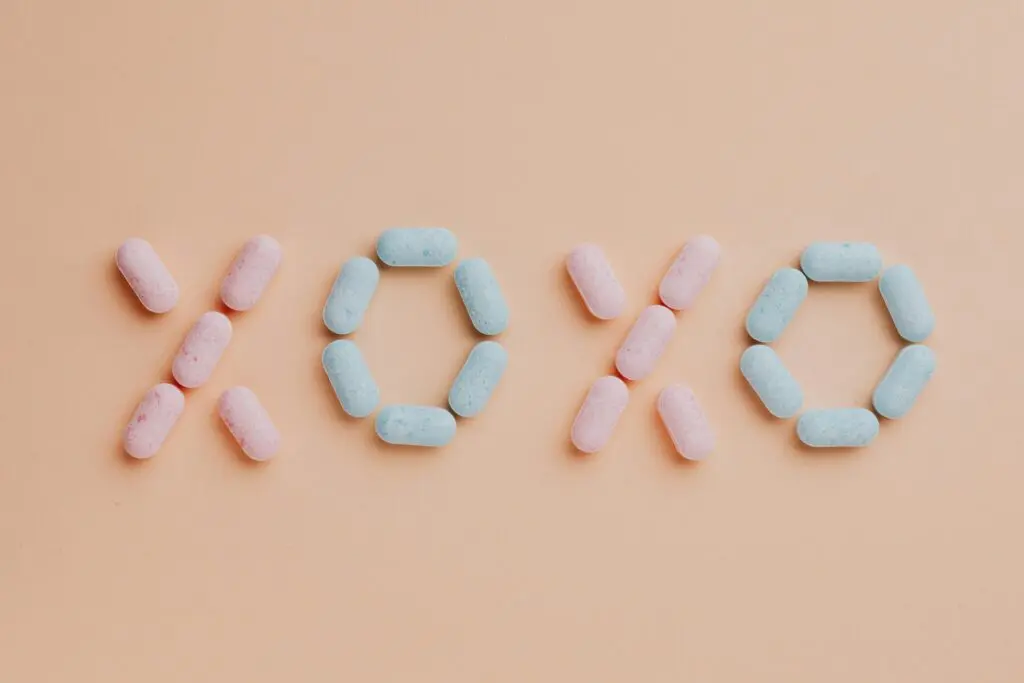
Dryness, burning, and pain during sex are among the complaints most closely linked to falling oestrogen levels. The tissue of the vulva and vagina becomes thinner, less elastic, and less well lubricated. The urinary tract can also be affected. Specialists therefore refer to the genitourinary syndrome of menopause, or GSM for short. Discomfort when urinating or recurrent urinary tract infections can also be part of the picture.
Unlike hot flushes, these symptoms do not necessarily resolve after menopause. Left untreated, they may persist or worsen. There is also the fact that pain can become self-perpetuating: anticipating that sex will hurt may cause involuntary muscle tension, which in turn makes arousal and lubrication even more difficult.
Pain should not, however, be automatically attributed to menopause. Infections, skin conditions, pelvic floor changes, or other gynaecological causes are equally possible. Any newly occurring or persistent symptoms should therefore be properly investigated.
Lubricants can reduce friction during sex and provide immediate relief. Vaginal moisturisers are used regularly and independently of sexual activity. Among the best-researched treatments for GSM is low-dose vaginal oestrogen. Available in forms such as cream, vaginal tablet, or suppository, it acts primarily at the site where symptoms arise; only small amounts enter the bloodstream.
Which treatment is appropriate depends on the individual's symptoms and medical history. This is especially true for women who have or have had hormone-receptor-positive breast cancer: in such cases, treatment should be agreed upon with the doctors involved in their care.
Hormone therapy may be prescribed when distressing menopausal symptoms such as hot flushes or night sweats are also present. Even so, additional local treatment may still be necessary for symptoms in the genital area.
Hormone replacement therapy is not a catch-all remedy for low sexual desire. A Cochrane review of 36 studies involving more than 23,000 participants concludes that oestrogen alone can probably produce a modest improvement in sexual function in women with symptoms or in early postmenopause; the evidence for other hormonal regimens is considerably less certain.
If a menopause-related low sex drive persists despite HRT and causes distress, testosterone may also be considered in certain cases following careful assessment. The NICE guideline also mentions this option when HRT alone is not sufficiently effective.

Menopause does not inevitably mean less desire. Some women actually find their sexuality after menopause feels freer and more relaxed. The worry about an unwanted pregnancy eventually disappears, and desires and priorities can shift with age.
Some women develop a clearer sense of what they enjoy and find it easier to talk about. How sexuality is experienced after menopause is therefore as individual as the changes this phase of life brings.
Even though fertility declines significantly during the perimenopause, ovulation — and therefore pregnancy — remains possible. Anyone who does not wish to become pregnant still needs to use appropriate contraception for the time being.
Which method is suitable depends on age, pre-existing conditions, and individual risk factors. The FSRH guideline on contraception from age 40 emphasises that in one's 40s no contraceptive method is ruled out on the basis of age alone; however, combined hormonal methods are no longer recommended after the age of 50.
For women who are not using hormonal contraception, there is a straightforward rule of thumb: if a woman was 50 or older at the time of her last natural period, she should continue using contraception for a further year. If her last period occurred before her 50th birthday, two further years are recommended.
From the age of 55 at the latest, a natural pregnancy is so rare that contraception is generally no longer necessary. Under hormonal contraception, however, the timing of menopause cannot be reliably determined from bleeding patterns alone. When a method can be changed or discontinued should therefore be discussed on an individual basis.

Back pain can persist even when the original cause no longer fully explains the symptoms. Physiotherapist Nils Stützer explains what stress and anxiety have to do with it – and how to break the pain cycle
Christine Bürg

An interview with
Nils Stützer

One side of the face is suddenly paralyzed, the corner of the mouth droops, and the eye can no longer close properly: facial palsy can strike without any warning. ENT specialist Prof. Christopher Bohr explains the chances of recovery and why prompt evaluation is so important
Christine Bürg & Marianne Waldenfels

An interview with
Prof. Dr. Christopher Bohr

A mini dose of Ozempic, Wegovy, or Mounjaro is said to promote weight loss while reducing side effects. Endocrinologist Dr. Alexandra Schoeneich explains what’s behind the microdosing trend – and where its medical limits lie.
Christine Bürg & Marianne Waldenfels

With
Dr. med. Alexandra Schoeneich