© Freepik
February 18, 2026
Marianne Waldenfels
Nils Behrens presents his book "Stroll to Infinity": How longevity medicine works, why proteins are a form of retirement planning, and which 5 hacks work immediately.
Longevity doesn’t start in the lab, but in everyday life. In his new book "Walk to Infinity," Nils Behrens shows that a long, healthy life isn’t a matter of complicated biohacking protocols, but simple, scientifically-based decisions.
In the interview, he talks about the key components of longevity medicine: from proteins as age provision to targeted stress and breathing techniques that are free yet effective. His message: Healthspan over lifespan — quality over calendar years.
What exactly does longevity mean — and what does longevity medicine aim to achieve?
Longevity initially sounds like people who greet their blood values in the morning before saying "Good morning." For me, it’s much simpler:
Longevity doesn’t mean defeating death. Longevity means staying up to life as long as possible.
Longevity medicine doesn’t want us to reach 120 with the last 30 years marked by illness. It wants us to still climb stairs at 70, stay clear-headed at 80, and not be surprised by our own body at 90.
In short: Healthspan over lifespan. Quality over calendar years.
Nutrition for a healthy, long life: What building blocks does the body really need?
The body is not a gourmet, but a foreman. It doesn't ask for trends, but for material.
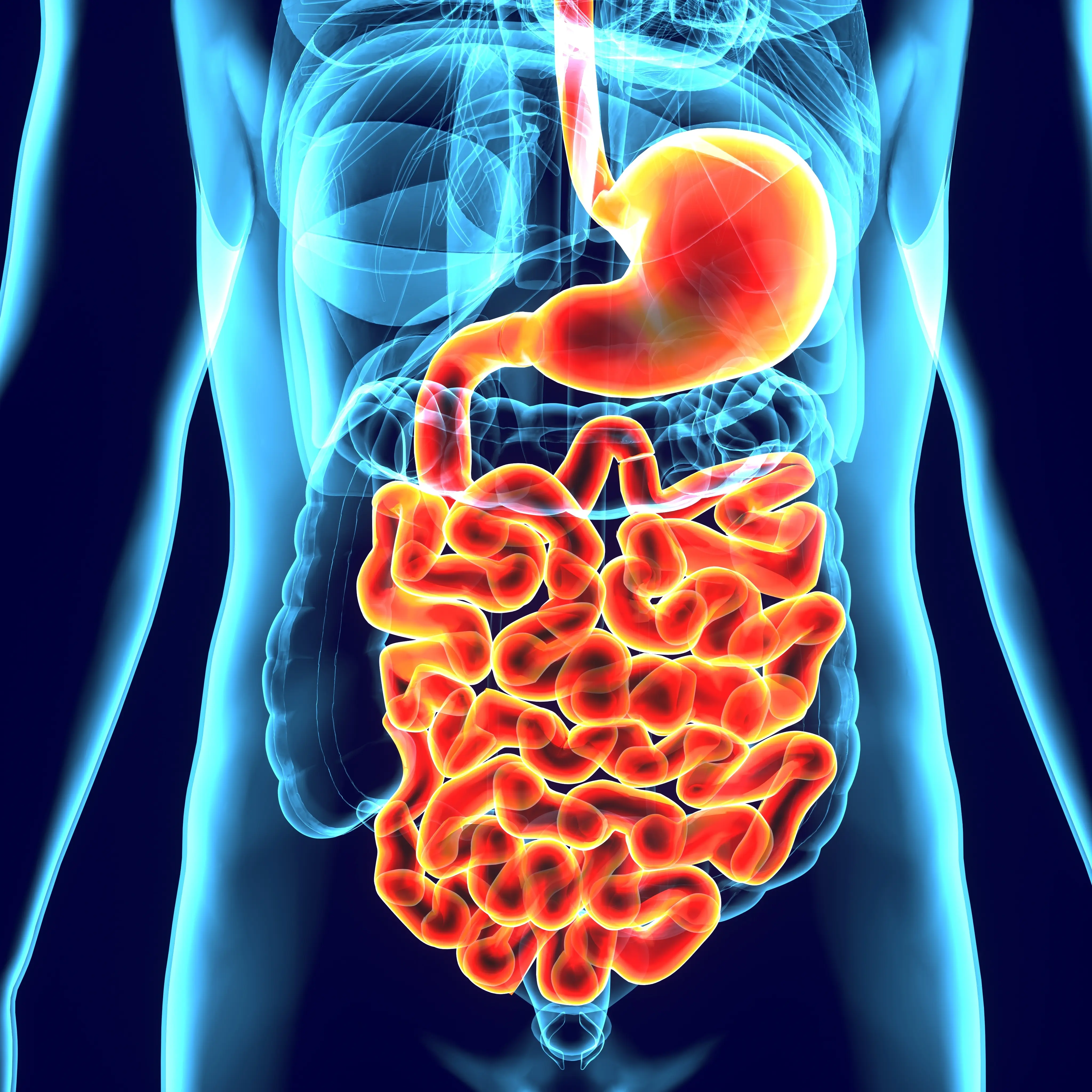
What it needs is surprisingly unspectacular: proteins, fiber, micronutrients, sufficient energy, and as little inflammatory chaos as possible from sugar, alcohol, and trans fats.
The more natural, the better. The less processed, the more relaxed the metabolism reacts.

Nils Behrens is the host of the health podcast HEALTHWISE and Strategic Brand Partner of Sunday Natural. Previously, he was the Chief Marketing Officer and face of the Lanserhof Group for over 12 years and host of the successful Forever Young podcast. In over 350 expert interviews, he explored ways to a longer and fitter life.


How reishi, cordyceps, and other medicinal mushrooms can ease the pollen season
Marianne Waldenfels
Should you avoid fats?
No. Period. Fats are not the problem – the wrong fats and the wrong combination are. Healthy fats are building blocks for cell membranes, hormones, and the brain. Without fat, no absorption of many vitamins. Those who avoid fat often save in the wrong place. Like someone who skips screws in house construction to save money.
How important are proteins for longevity?
Proteins are not important. They are fundamental. Without protein, no muscle; without muscle, no stability; without stability, no longevity.
From around 30, muscle loss begins—quietly, reliably, and without warning. Those who don't counteract it will later pay with falls, weakness, and dependency.
Protein is not a fitness fad. Protein is a retirement plan.
5 Quick Longevity Hacks for Beginners?
What kind and how much exercise should you do for a long life?
Longevity doesn't need an Ironman – but it does need muscles, endurance, and flexibility. Strength training is a must, not an option. Two to three times a week is enough. Add everyday movement and some cardiovascular stress. The best sport is the one you can still do at 80 – and are doing today.

In Nils Behrens' new work "Walk to Immortality," it is about healthspan and the art of extending healthy years. Next Level Publishing.
What supplements do you take daily – and why?
Supplements are not a replacement for nutrition, but insurance against reality. Our soils are depleted, our lifestyle demanding, our needs individual. I supplement specifically and data-driven based on my lab results. Always included are Omega3, Vitamin D3/K2, magnesium complex, Q10, creatine, and astaxanthin.
What role does breathing play in a long, healthy life?
Breathing is the most underestimated longevity tool – because it costs nothing and nothing is sold. Slow, conscious breathing activates the parasympathetic nervous system, reduces stress, improves sleep and regeneration. My favorite technique is the physiological sigh: take a deep breath, inhale again (a double intake) and then exhale slowly and long.
Why is hormesis – targeted stress – so important for longevity?
The body doesn't get better through comfort, but through stimuli. Cold, heat, fasting, training are all small stressors that tell the body: "Stay awake. Stay adaptable." Constant stress makes you sick. Targeted stress makes you resilient.
How can one consciously change their attitude?
By staying curious. Because only those who look forward to the changes that life brings will enjoy it. Steve Jobs said in his legendary Stanford commencement speech: Stay curious - stay foolish. Perhaps the best longevity mindset tip ever given.