© Adobe Stock
May 7, 2025
PMC Redaktion
Menopause is a significant phase in the midlife of every woman. Find comprehensive information on symptoms, new insights, and treatment options, as well as expert tips for a healthy lifestyle here.
Many women experience discomfort during menopause. The most common include:
Find out more here:
Further information on specific symptoms:
What helps with sleep disturbances during menopause
Joint pain in menopause: age or estrogen deficiency?

© Freepik
Sleep disturbances are one of the most common symptoms of menopause.
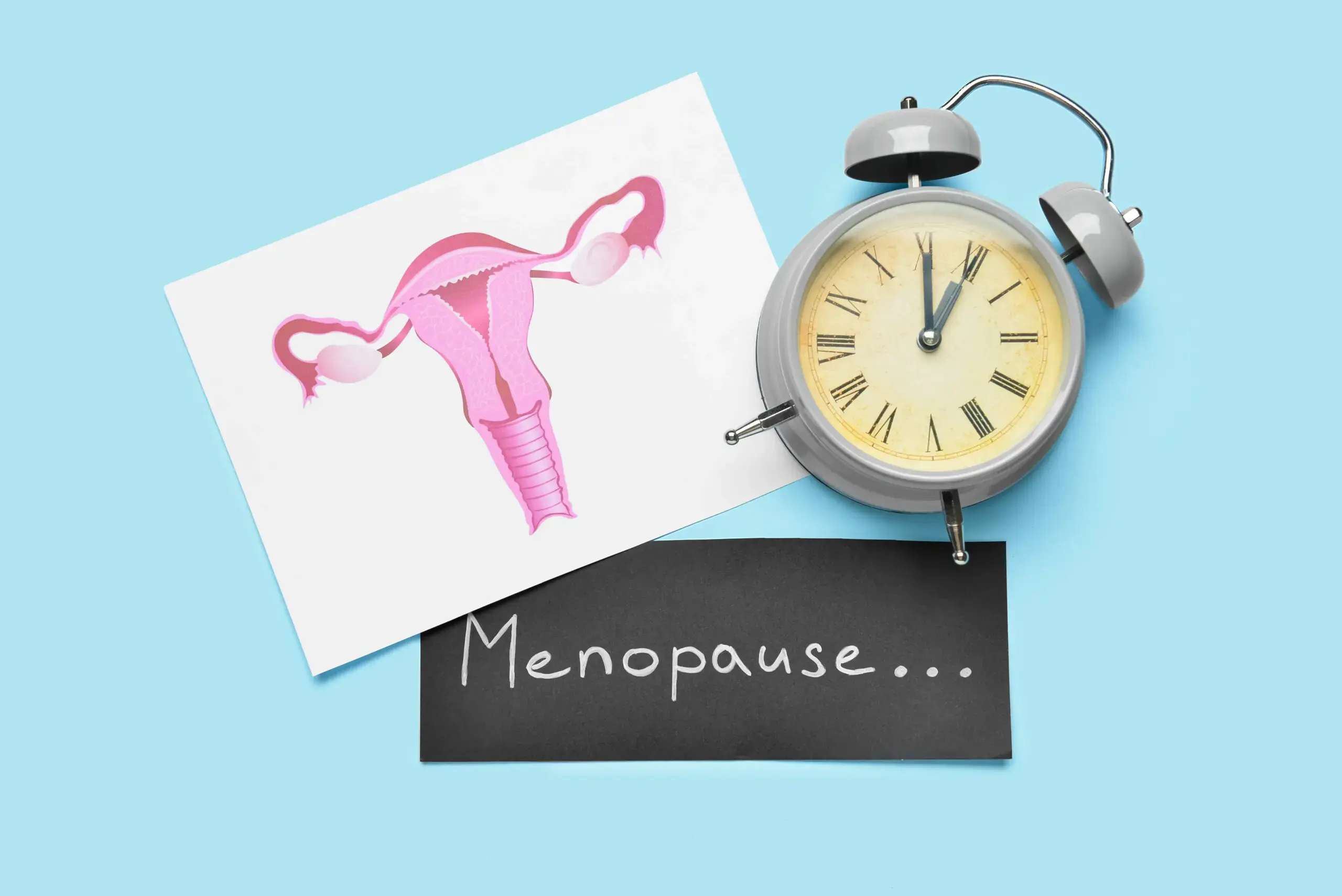
Menopause is characterized by a decline in hormone production in the ovaries. The hormonal changes, especially regarding estrogen and progesterone, lead to the typical symptoms.
Learn more here:
There are various approaches to alleviate menopausal symptoms. These include hormone replacement therapy (HRT), which aims to balance hormone levels. But natural remedies in the form of herbal supplements and lifestyle changes can also contribute to well-being.
Learn more about it here:

© Freepik
Hormone replacement therapy can alleviate menopausal symptoms.
A balanced diet is important not only during menopause, but it can particularly enhance well-being during this phase of life. And even alleviate some symptoms.
Learn more about it here:
Menopause not only leads to physical changes, it can also have an impact on mental health – ranging from mood swings to menopause-related depression.
Learn more here:

A new US study found an unusually high rate of colon polyps among marathon and ultramarathon runners. What do the findings really mean, and should endurance athletes be concerned? A gastroenterologist explains.
Christine Bürg & Marianne Waldenfels

Carrot juice and coconut water are being hailed on TikTok as the secret to a natural summer glow. Beta-carotene can indeed alter skin tone — though not in the way many social media videos suggest. A dermatologist explains what the science actually shows.
Christine Bürg & Marianne Waldenfels

With
Dr. med. Timm Golüke

Artificial intelligence is taking over routine tasks and freeing up time for what truly matters: the relationship between doctor and patient. Prof. Dr. Dominik Pförringer explains why empathy is becoming the most important factor for success in medicine in the age of AI.
Prof. Dominik Pförringer

By
Univ.-Prof. Dr. med. Dominik Pförringer

Prevention should not only detect diseases early — it should stop them from developing in the first place. Dr. Jan Hennigs explains which examinations are genuinely worthwhile today, why cardiovascular risks are so often underestimated, and how artificial intelligence is set to transform the field of prevention.
Christine Bürg & Marianne Waldenfels

An interview with
Dr. med. Jan K. Hennigs