© Damir Mijailovic
Kudzu is said to prevent cardiovascular diseases and help lower blood pressure.
February 1, 2026
Birgitta Dunckel
Kudzu is considered a medicinal plant in Asia—for menopausal symptoms and even cardiovascular problems. How does it work and how is it used?
Kudzu (Pueraria montana) is an Asian climbing plant that can spread up to 20 meters within a year. In Traditional Chinese Medicine (TCM) and Japanese medicine, it has been used for centuries for various health complaints. Due to its creeping growth, the plant is also known as "Japanese grapevine" known.
Kudzu originally comes from Asia and grows mainly in India, China, and Japan – typically at the edges of forests and roadsides. Today, the plant is known worldwide and is increasingly being sold in Europe as a dietary supplement.
The history of Kudzu as a medicinal plant goes back more than 2,000 years. Its medicinal use was first documented in the Chinese text "Ben Cao Gang Mu" from the 16th century, one of the most significant works of traditional Chinese medicine. There, Kudzu is described as a remedy for fever, diarrhea, and stomach problems.
In Japan, Kudzu also has a long tradition – both as a medicinal plant and as a food. A fine thickening agent is obtained from the starch-rich root, which has been used in Japanese cuisine for centuries.
In the 19th century, Kudzu reached North America, where the plant was initially used to combat soil erosion. Due to its extreme growth rate – up to 20 meters per year – it spread uncontrollably and is now considered an invasive species in the southern USA. Ironically, it is precisely this biological robustness that has sparked scientific interest in the plant's ingredients.
In Europe, Kudzu became popular as a natural remedy only in recent decades, mainly due to the growing interest in TCM preparations and herbal alternatives to conventional medicine.
The uses of Kudzu are diverse. Traditionally, the plant is used for Headaches, fever, and back pain used. For an acidic stomach and heartburn, kudzu root is said to coat the stomach lining and thus calm the stomach.

Kudzu is particularly known for its effect on alcohol and nicotine withdrawal: It is said to noticeably reduce the craving for these substances. In addition, the plant is believed to have a preventive effect on cardiovascular diseases – it is said to help lower blood pressure and regulate blood sugar.
Another field of application is Menopausal symptoms. Several studies suggest that regular intake of kudzu can reduce the frequency and intensity of hot flashes.
The healing effect of kudzu is attributed to its diverse secondary plant compounds found in the root, beans, and leaves, which include not only carbohydrates and fiber but also valuable active ingredients: the isoflavones daidzein and daidzin act as plant estrogens with antioxidant effects, while Puerarin as a flavonoid has vasodilatory properties. These are complemented by Genistein and Genestin – other isoflavones with hormone-like effects – as well as hydroxytryptophan.
In particular, the isoflavones are relevant for the medical effect: their structure resembles the human hormone estrogen. Since estrogen levels decrease during menopause, isoflavones from kudzu may possibly provide a balance. According to some studies, hot flashes in women decreased in frequency and intensity after several weeks of taking kudzu supplements.
Scientific interest in kudzu has increased significantly in recent years. Three areas, in particular, are the focus of research:
Alcohol consumption and addiction: One of the most well-known studies was conducted at Harvard Medical School. Participants who took kudzu extract drank significantly less beer than the control group. Researchers suspect that puerarin slows alcohol absorption, leading to earlier feelings of satiety and reward.
Cardiovascular system: Puerarin is considered vasodilatory and blood pressure lowering in some research. In some Asian countries, puerarin is already used as a complementary therapy for heart diseases, although the data is not sufficient for Western approval standards.
Menopausal symptoms: Several smaller studies suggest that the isoflavones in kudzu can reduce the frequency and intensity of hot flashes. The results are promising, but larger clinical studies are needed to make definitive statements.
Important note: Many studies on kudzu are still preliminary or have been conducted on small samples. Kudzu is not a substitute for medical treatments. A doctor should always be consulted for serious ailments.
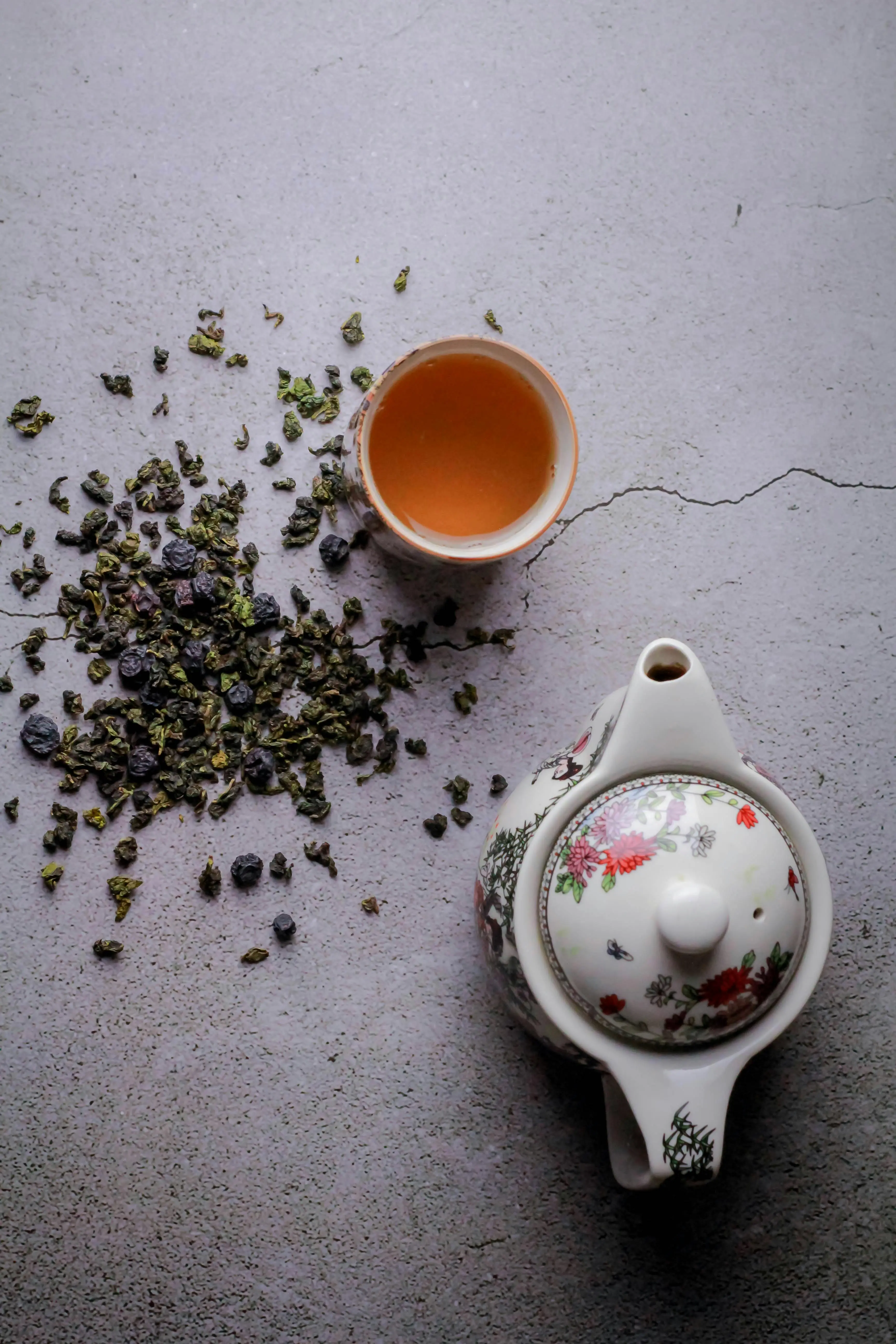
In Japan and China, kudzu is traditionally used as tea from dried roots prepared. In Western countries, the plant is mainly available in the following forms today:
• capsules and pills
• Powder (e.g., for dissolving in water or smoothies)
• Tea from dried roots or leaves
Those who want to buy Kudzu can find the preparation in pharmacies, health food stores, and online shops. To get a high-quality product, consider the following points when buying:
• Origin and Purity: Look for products with clear information about the origin of the plant. Preparations from controlled cultivation are preferable.
• Standardized Extract: High-quality products indicate the content of puerarin or isoflavones in percentage. This allows for a better assessment of active ingredient concentration.
• Certifications: Seals like GMP (Good Manufacturing Practice) or ISO certifications indicate quality standards in production.
• Without additives: Make sure there are no unnecessary fillers, preservatives, or artificial flavors included.
• Trusted suppliers: Preferably buy from pharmacies or reputable health food stores that transparently communicate product information.
The price of kudzu capsules and powders usually ranges between 15 and 40 euros, depending on dosage and quantity. Be cautious with cheap offers without origin information.
Attention: Even though kudzu is a natural medicinal plant, its intake should not be taken lightly. Note:
• Adhere to dosage: The estrogen-like isoflavones are present in high concentration and can have negative pharmacological or toxic effects if overdosed. The manufacturer's maximum dose recommendations should be strictly followed.
• Diabetics: Kudzu can significantly raise insulin levels – therefore, intake is not recommended.
• Blood thinners: People taking anticoagulant medications such as aspirin should avoid kudzu.
• Pregnant and breastfeeding women: Intake is expressly discouraged.
In case of uncertainties, it is always advisable to consult a doctor before consumption..
Kudzu is a fascinating medicinal plant with a long tradition in Asian medicine. Its history goes back over 2,000 years, and modern research increasingly provides evidence for the effectiveness of individual components—particularly puerarin and isoflavones.
Kudzu is particularly interesting for menopause symptoms, stomach problems, and the desire to reduce alcohol or nicotine consumption. However, it is important to use the preparation consciously and informed: despite its herbal origin, kudzu is not free of risks and not a substitute for medical treatment.
Those who want to try kudzu should rely on quality products, adhere to dosage recommendations, and consult their doctor or pharmacist if in doubt.