© Diana Proano
August 29, 2026
Marianne Waldenfels
Birch sugar is often seen as a healthier alternative to regular sugar. But new data link high xylitol levels to heart attack and stroke. Here’s what the findings really mean.
Xylitol is widely regarded as a healthier alternative to sugar. But new long-term data from more than 17,000 people are casting doubt on that assumption: high xylitol concentrations in the blood were associated with an increased risk of heart attack, stroke, or death. The findings were presented on August 29 at the ESC Congress 2026 in Munich. Yet they do not automatically mean that birch sugar is harmful to the heart — because xylitol is also produced naturally by the body itself, and that distinction is crucial for putting the results in context.
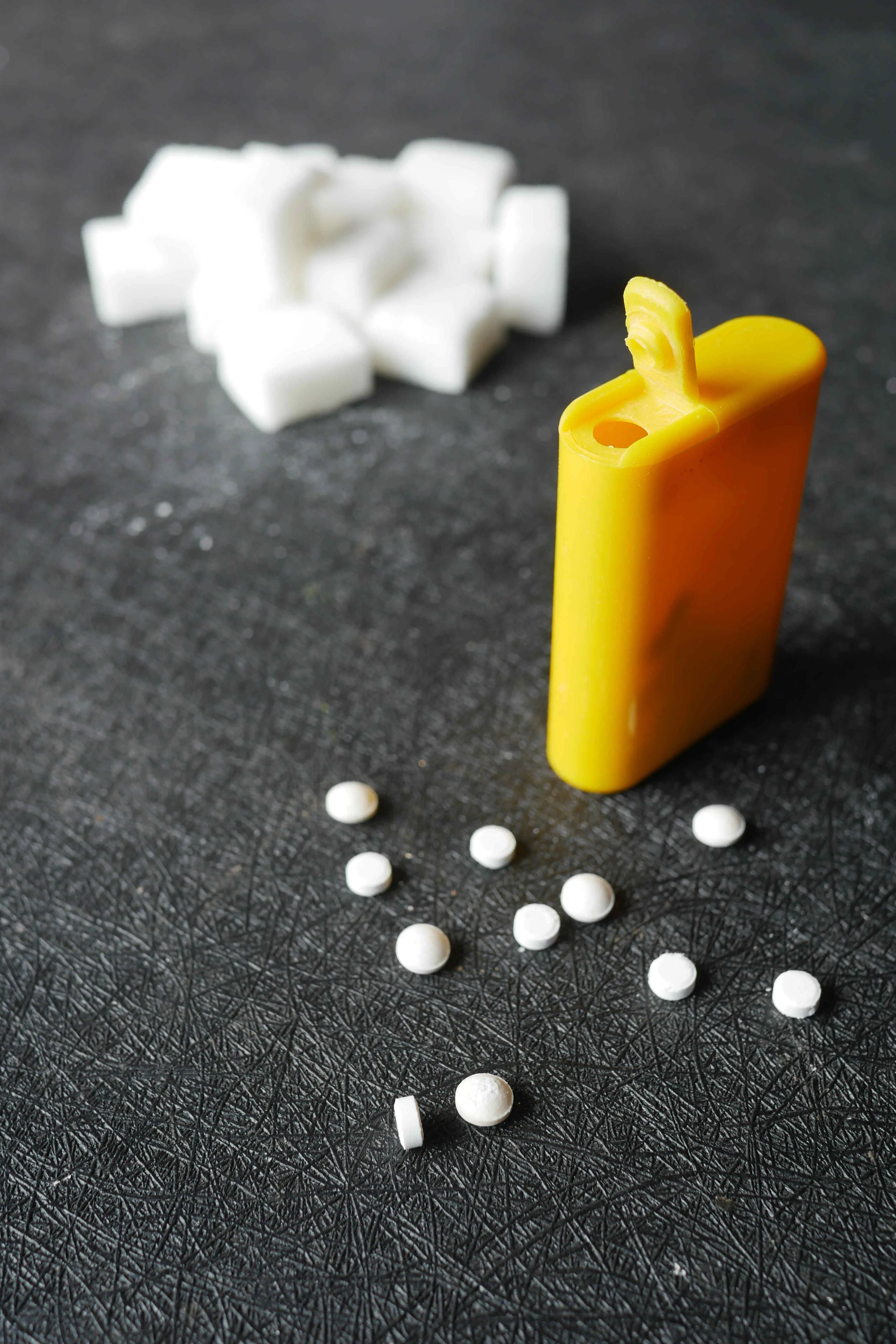
Xylitol, also known as birch sugar, is found in sugar-free chewing gums, candies, and dental care products, among other things. For the study, the research team analyzed data from a total of 17,710 people drawn from two large prospective observational studies: the Canadian Longitudinal Study on Aging (CLSA) and the British EPIC-Norfolk study.
The findings: in the Canadian cohort, people with the highest blood xylitol levels had a 57 percent higher risk of a major cardiovascular event over six years compared to those with the lowest levels — including heart attack, stroke, or death. In the EPIC-Norfolk cohort, the difference over an observation period of up to 30 years was 18 percent. Risk increased in step with rising xylitol levels.
The association held up even after the researchers statistically accounted for known risk factors such as age, sex, smoking, blood lipids, diabetes, and high blood pressure.
This warning signal is not entirely new. Back in 2024, an international research team led by Marco Witkowski and Stanley Hazen published a widely noted study on xylitol in the European Heart Journal. That study also found that higher blood xylitol levels were associated with a greater risk of major cardiovascular events within the following three years. The Munich data come from the same research group and therefore represent less an independent confirmation than a continuation of this line of research, now built on a considerably larger body of data.
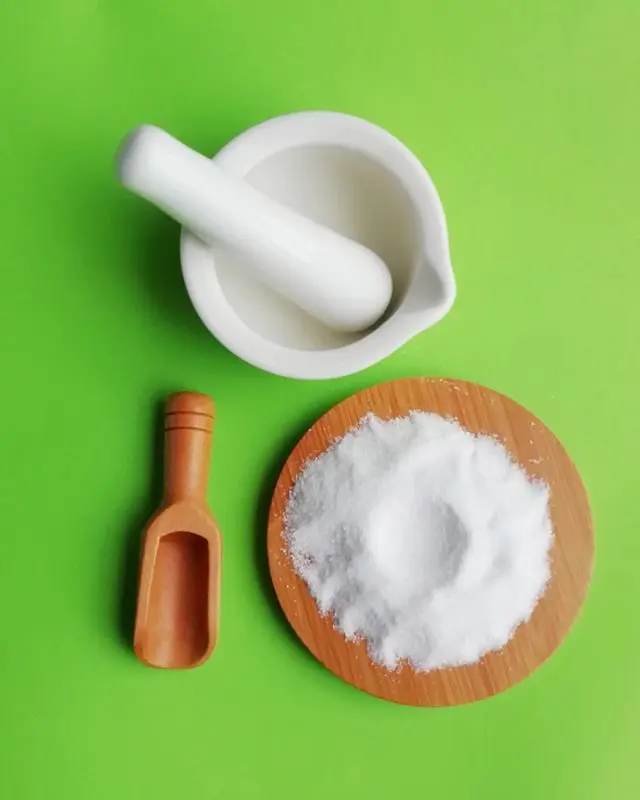
In 2024, the researchers also went beyond pure observation. In laboratory and animal experiments, they found indications that xylitol could increase platelet reactivity and thereby promote the formation of blood clots. In a small trial with ten healthy volunteers, a drink containing 30 grams of xylitol caused not only a marked rise in blood xylitol concentration within 30 minutes, but also increases across several measures of platelet activatability. This mechanism could help explain why high xylitol concentrations are linked to cardiovascular events.
The measured blood levels do not necessarily reflect how much xylitol a person has consumed, because xylitol does not enter the body exclusively through food. The sugar alcohol is also produced entirely naturally through human metabolism. A high blood xylitol level therefore does not automatically mean that someone has been eating a lot of birch sugar.
Just how important this distinction is becomes clear from the small consumption trial included in the 2024 study. After 30 grams of xylitol dissolved in water, blood concentrations in the ten volunteers rose within 30 minutes from a median of 0.30 to 312 micromoles per liter — roughly a thousandfold increase.
After four to six hours, however, levels had fallen back to a low baseline. The researchers concluded from this that the xylitol levels measured in their observational cohorts — after more than twelve hours of fasting — most likely reflected differences in the body's own xylitol production rather than prior consumption. This interpretation is already set out in the original study in the European Heart Journal.
This very point is the subject of lively debate within the scientific community. Several commentaries on the study have appeared in the European Heart Journal, each raising different criticisms:
• Beatrice K. Wölnerhanssen and colleagues criticize methodological weaknesses in the consumption trial — ten volunteers, no placebo control, and only a single measurement point at 30 minutes — and consider the original study's title to be misleading. In their view, a more accurate title would have been: "The body's own xylitol production is elevated in people with cardiovascular risk."
• Mario Bonomini and colleagues raise the question of whether elevated blood xylitol actually has a causal effect, or whether it is instead a metabolic marker that simply accompanies an already higher cardiovascular risk.
• Gregory Valentine, Eva Söderling, and Peter Milgrom point to decades of well-documented benefits of xylitol for dental and oral health, and caution against losing sight of these when weighing the risks.
Witkowski and Hazen have responded in no fewer than two replies published in the European Heart Journal, maintaining their position that the title of their study — "Xylitol is prothrombotic and associated with cardiovascular risk" — is accurate.
The new data do not currently provide a sufficient basis for blanket avoidance of xylitol. The study in question is an observational study: it can identify associations, but it cannot prove that xylitol causes heart attacks or strokes. Furthermore, the new results were presented at the ESC Congress 2026, and a full publication of the long-term analysis in a peer-reviewed journal is still pending.
The type and amount of use also likely matters. A food sweetened with xylitol that is consumed in larger quantities is not comparable to a toothpaste or mouthwash that is normally spat out. Witkowski and Hazen themselves noted in their response to the scientific debate that they do not expect a comparable cardiovascular risk from such "swish and spit" products, given the small amounts actually ingested.
One important question therefore remains unanswered: is there a threshold amount of xylitol beyond which cardiovascular risk actually increases? Answering that will require large, long-term studies that directly measure regular xylitol consumption and track its relationship to subsequent heart attacks and strokes.
Xylitol has not suddenly been exposed as dangerous. But the new data do challenge the assumption that a sugar substitute is automatically the healthier choice simply because it contains fewer calories or affects blood sugar differently than table sugar.
The results from more than 17,000 people strengthen an already existing warning signal: high xylitol concentrations in the blood appear to be associated with greater cardiovascular risk. Whether the consumption of birch sugar is actually responsible for this association — and at what quantities it might become problematic — remains unclear for now.

When pregnancy doesn’t happen, the uncertainty can take a heavy toll on couples. Reproductive medicine specialist Dr. Bernd Lesoine explains why age matters, when to seek medical advice, and which treatments offer the best chances of success.
Christine Bürg & Marianne Waldenfels

Back pain can persist even when the original cause no longer fully explains the symptoms. Physiotherapist Nils Stützer explains what stress and anxiety have to do with it – and how to break the pain cycle
Christine Bürg

An interview with
Nils Stützer