© Tetyana Kovyrina
The noblest and most expensive incense comes from the Dhofar province in southern Oman.
February 5, 2025
Christine Bürg
Medicine, stimulant, care product – the latest, surprisingly worldly career of frankincense.
Even its mention is often met with a wrinkled nose and evokes memories of smoke-filled religious ceremonies. But few people know that frankincense has a fascinating history and healing powers - or that it can even be eaten.
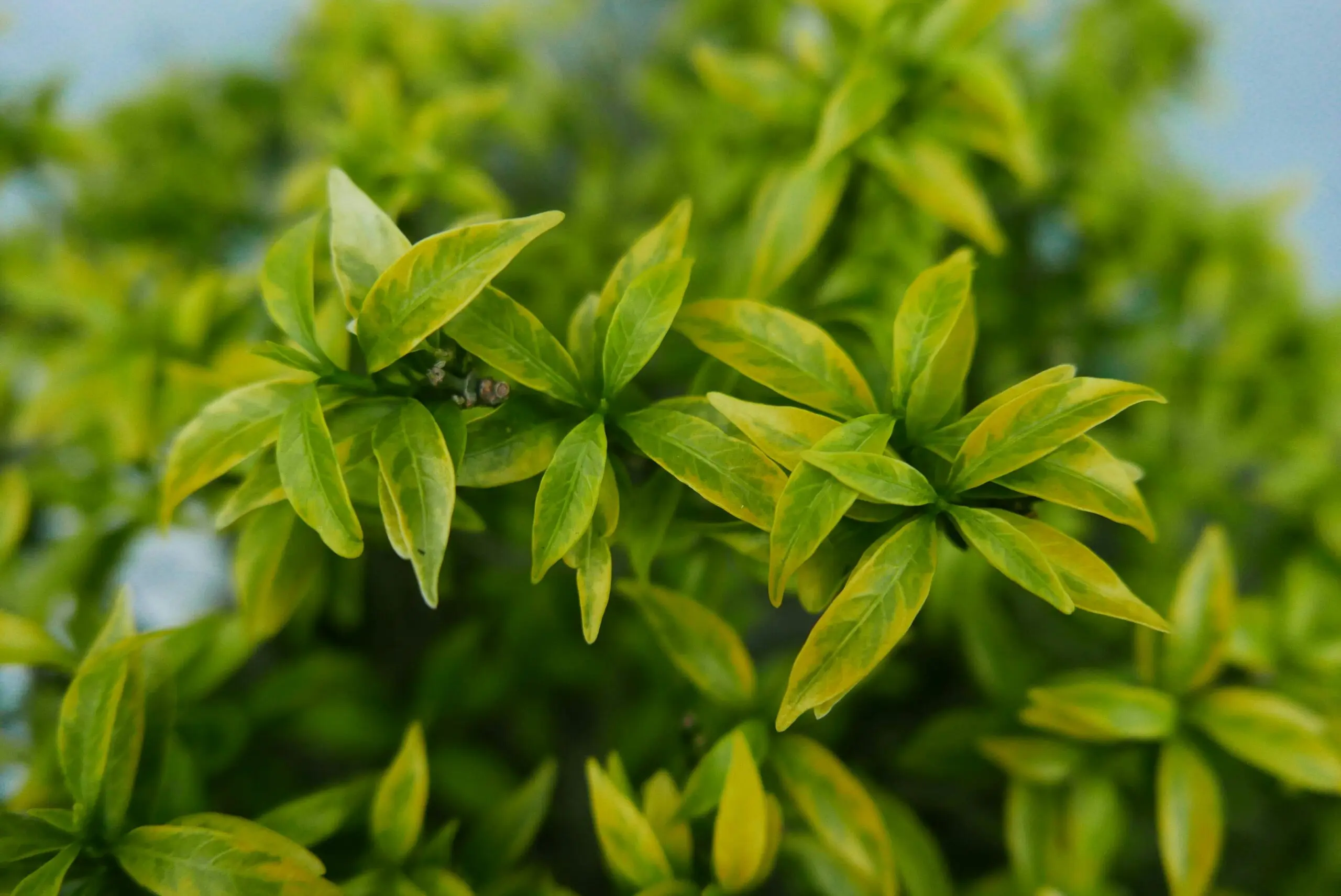
The aromatic resin is obtained from the so-called Boswellia trees, which only grow in a narrow, dry climatic belt - in India and parts of South China, Somalia, Eritrea, and Yemen.
The noblest and most expensive frankincense comes from the Dhofar province in southern Oman. From here, the precious commodity - frankincense was once more expensive than gold - was transported in ancient times along the frankincense route through southern Arabia to the Mediterranean and from there to the entire world.
Through the "sweat of the gods," as it was called, prayers were supposed to ascend to heaven more quickly. The fact that frankincense is still expensive today is also because it cannot be cultivated in plantations and is harvested by hand. A special knife, the Manqaf, is used to make a cut in the tree's bark, the milky-white sap drips out in teardrop form and hardens as soon as it comes into contact with oxygen.
After about two weeks, the rubbery resin can be scraped off and the next cut can be made at the same spot. Up to ten kilograms of resin can be harvested from a tree in one harvest season from the end of March to mid-September.
The lighter and more transparent the harvested resin and the larger the pieces, the more valuable it is. One kilogram of Hojari, the purest and noblest variety, costs up to 500 euros.

© Shangri-La
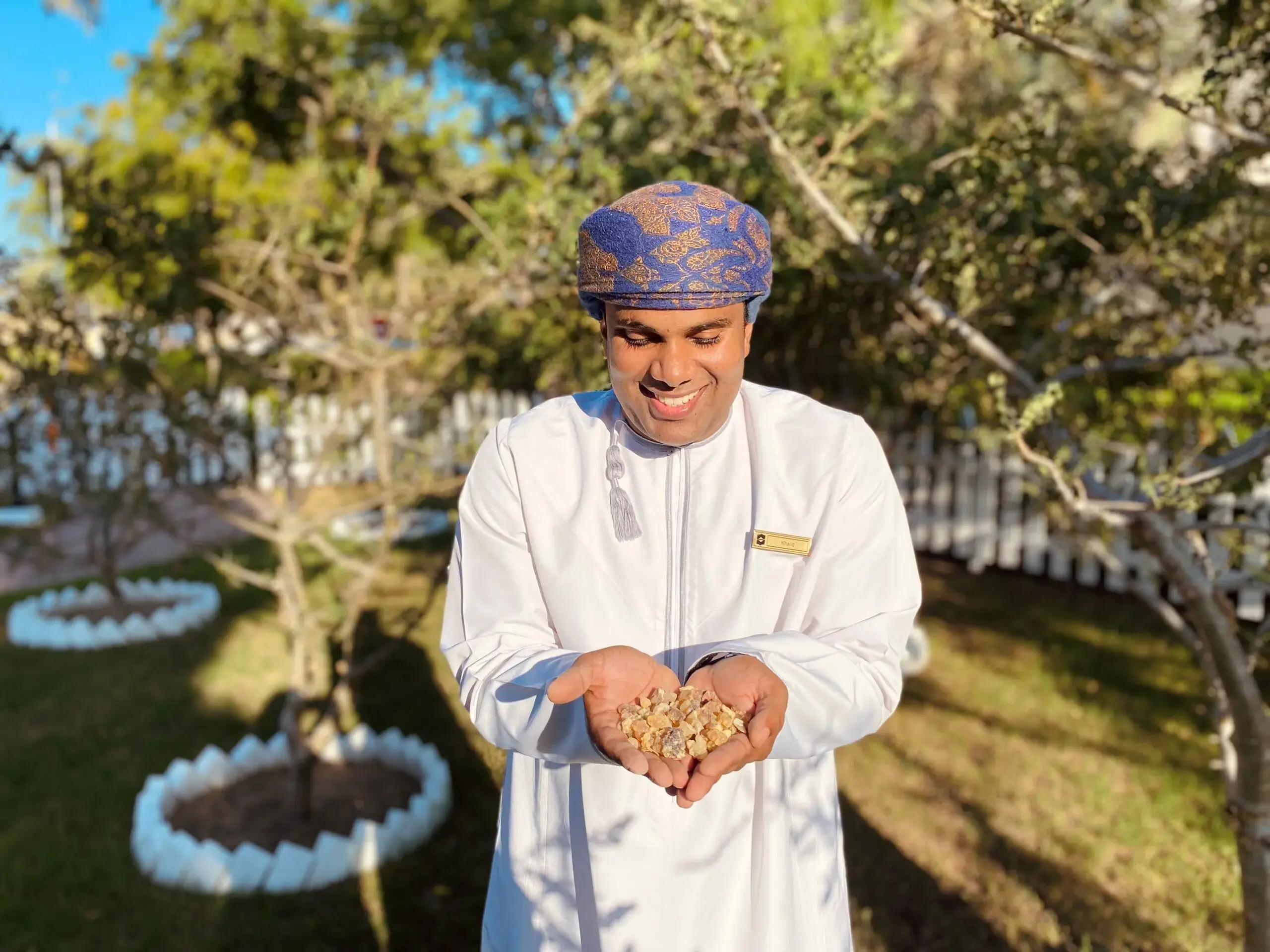
Khalid Al-Amri is a frankincense sommelier at the Shangri-La Hotel in Muscat.
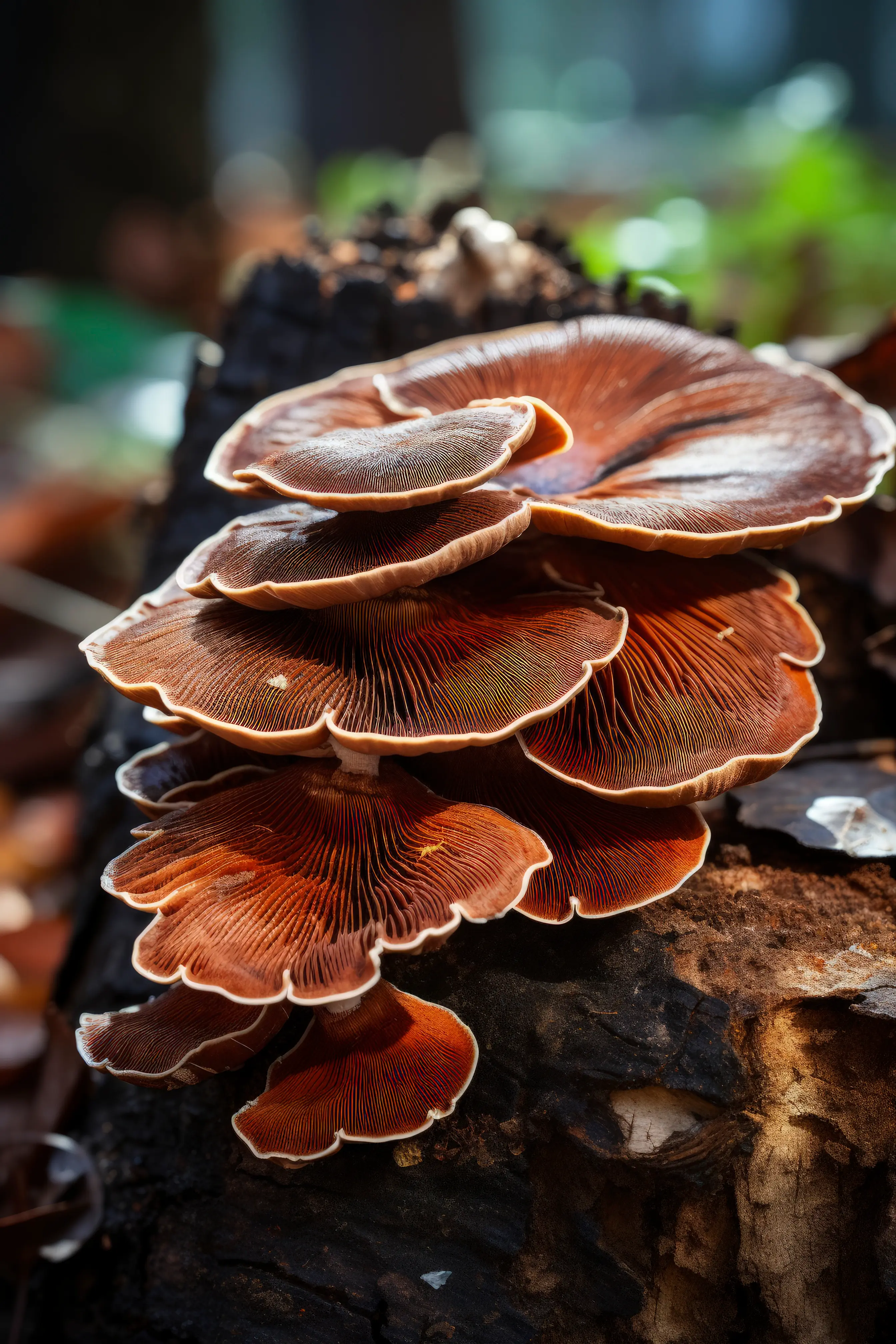
How reishi, cordyceps, and other medicinal mushrooms can ease the pollen season
Marianne Waldenfels
"For us, Luban, as frankincense is called in Arabic, is part of our culture," says Khalid Al-Amri, frankincense sommelier in Shangri-La-Hotel in Muscat. "When we welcome a guest or a child is born, we burn incense to create a warm, inviting atmosphere. Incense is also lit at sunrise and sunset to purify the air and ward off negative energy. And it's also the best remedy for kitchen smells and insects."
However, the darker, caramel-colored to brown resin is used for this purpose because it contains more oil and thus burns better. Omanis perfume themselves with it by placing an incense burner under their traditional dishdasha garment and scenting freshly washed clothes on a special rack.
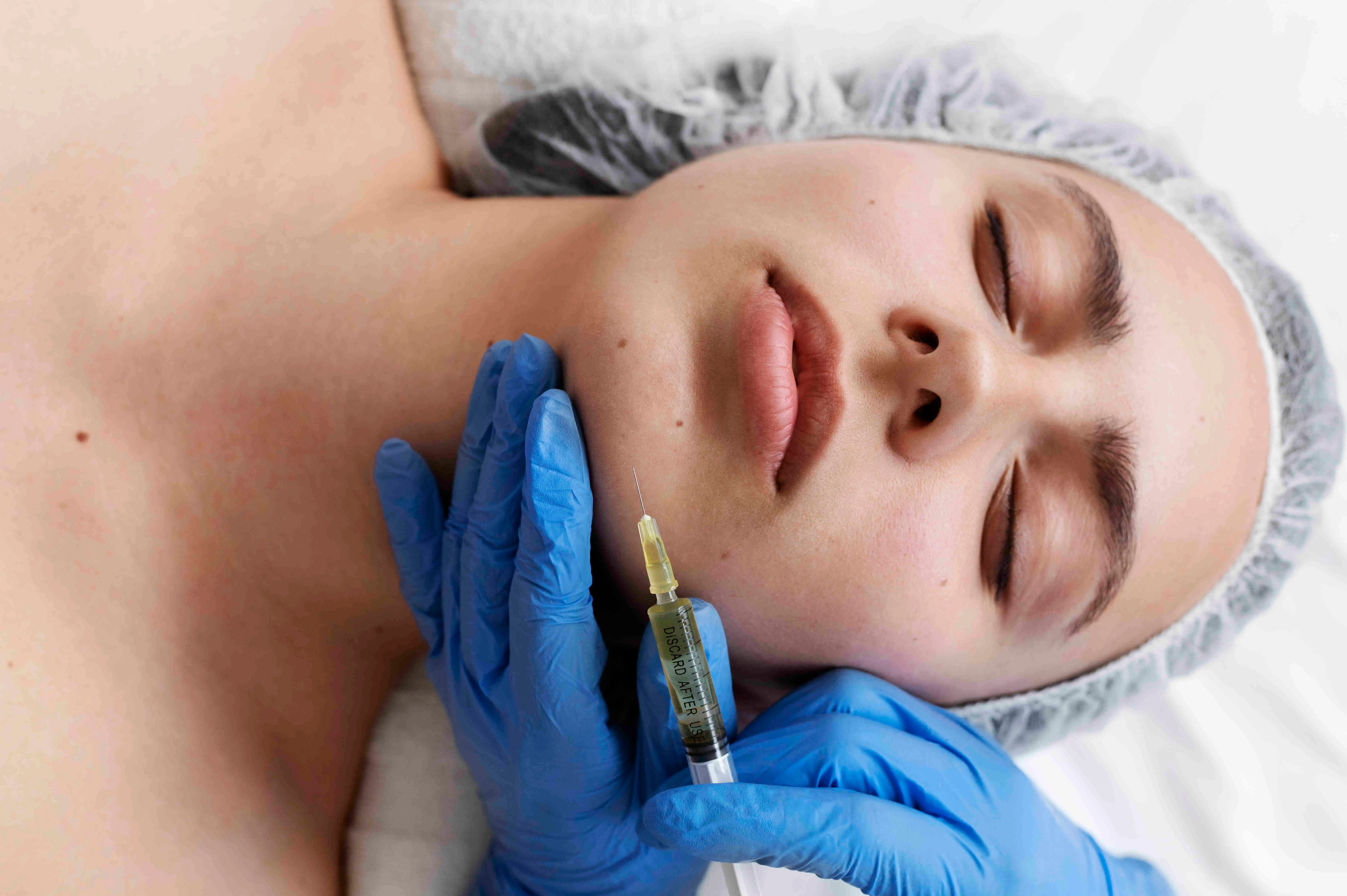
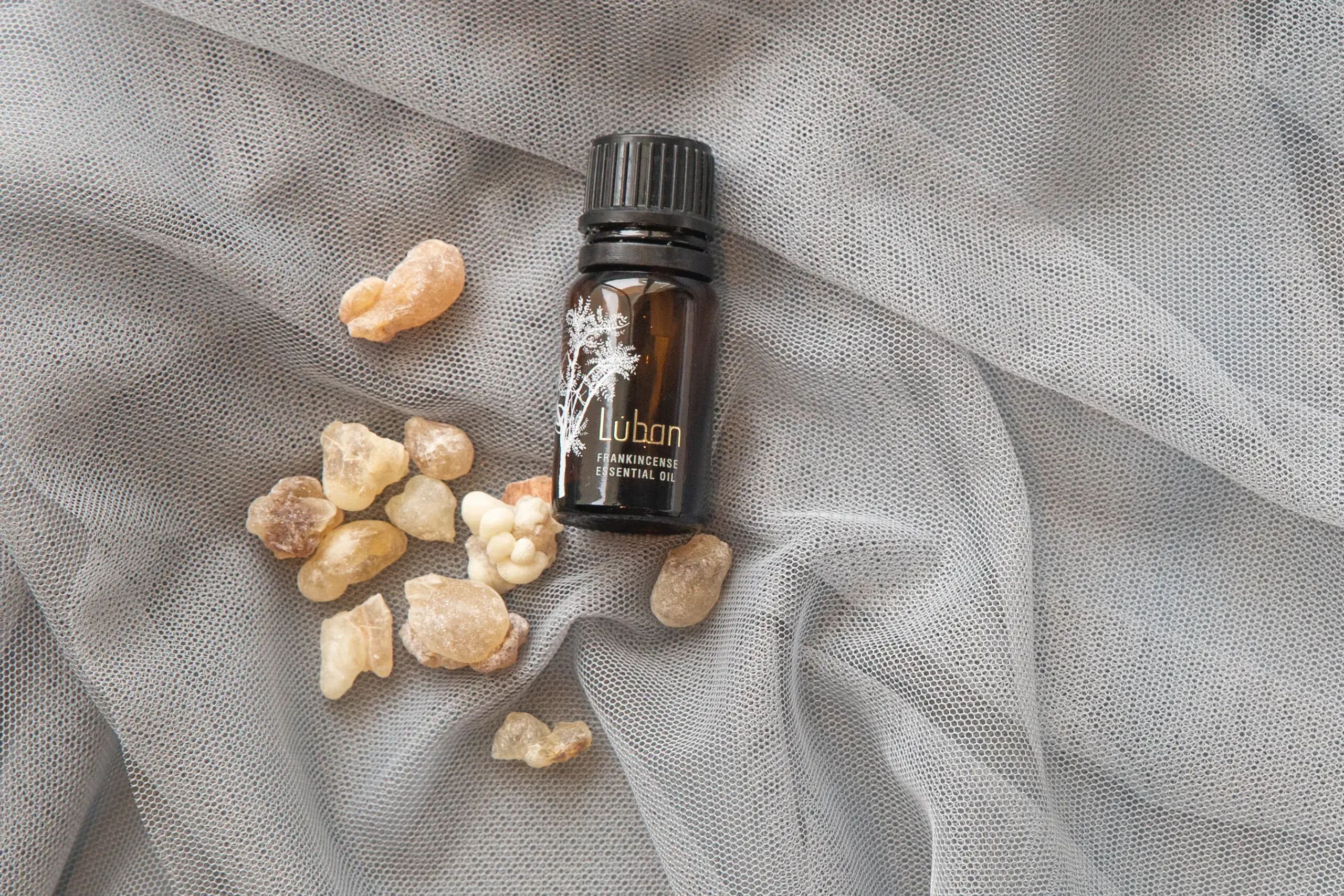
Unlike church incense, the Omani variety has a delicate lemon-woody scent and is used at the Luban Spa at the Shangri-La for body and facial treatments as well as skincare products due to its relaxing effect (thanks to the incensol it contains).
Sultan Qaboos, who ruled the country for 50 years and catapulted it from the Middle Ages to modern times, had "Amouage" created from it, which was long considered the most expensive perfume in the world.

© Shangri-La
In the spa, Luban oil is used, among other things.
That incense not only smells intoxicating but also has healing effects has long been known in Oman and Ayurvedic medicine. However, it has only been researched in Western laboratories for a few years.
With astonishing findings: it is said to slow down disease relapses in MS patients similarly to cortisone, but without its side effects. Several studies have shown that the boswellic acid it contains blocks pro-inflammatory messengers and even prompts a specific enzyme to produce anti-inflammatory messengers.
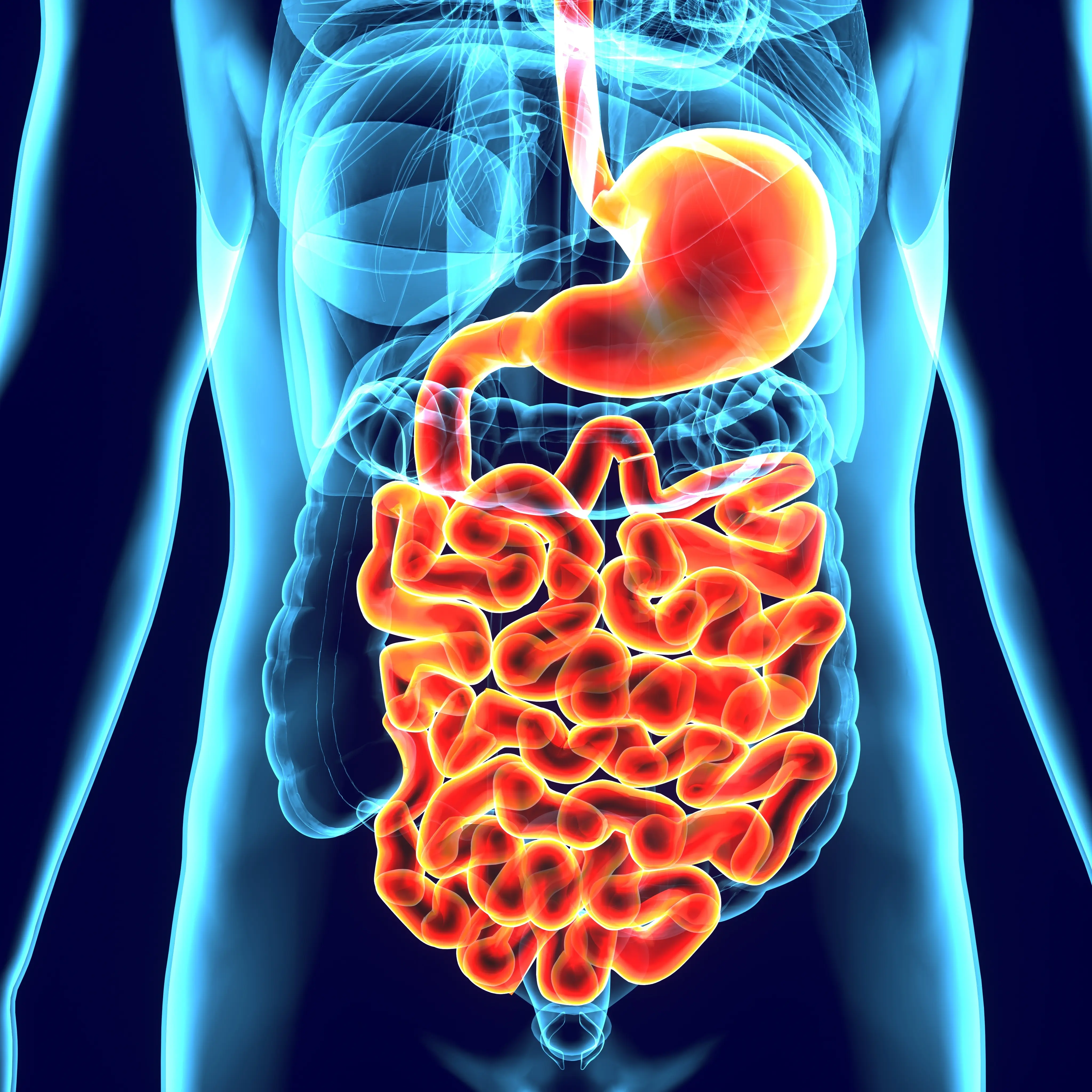
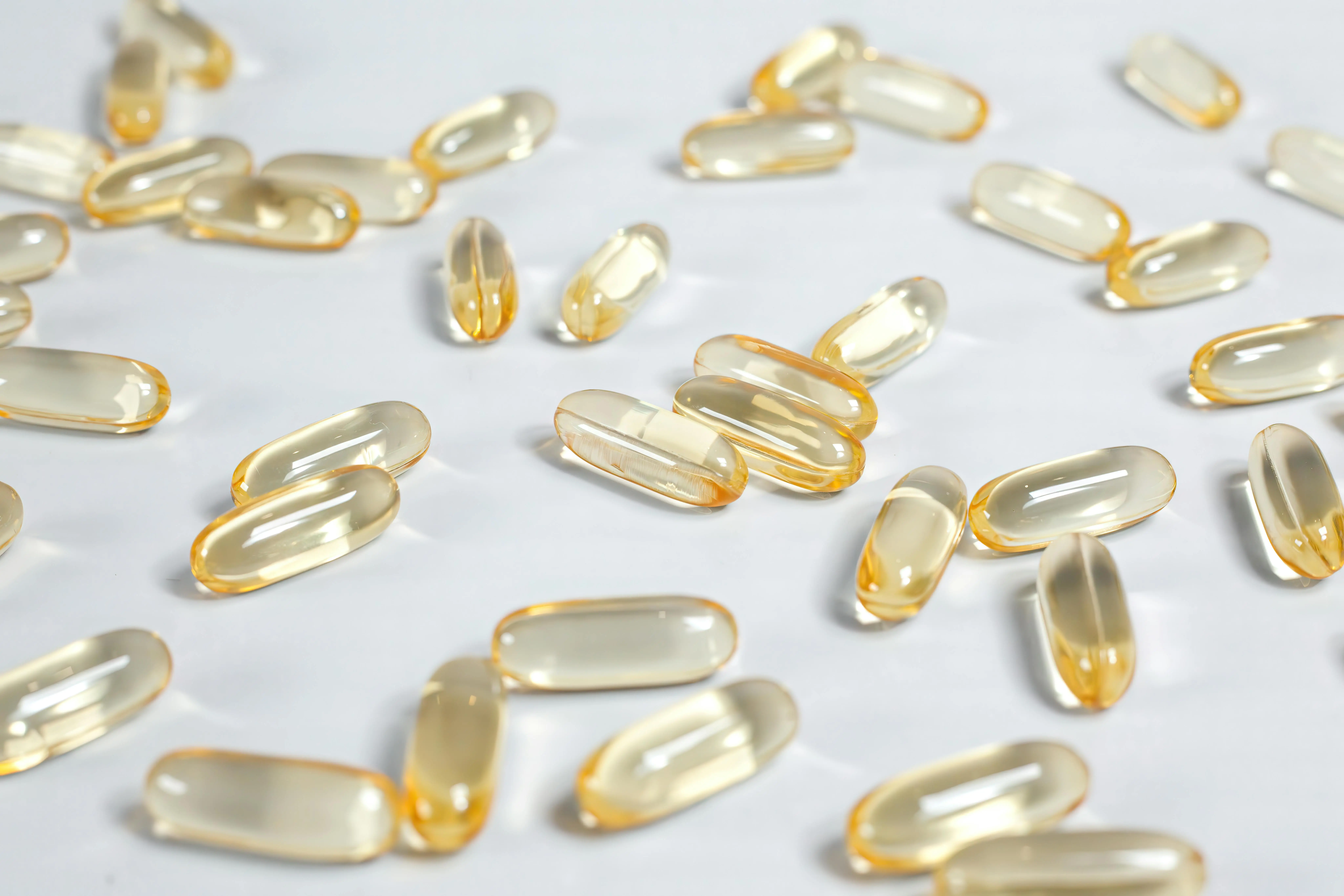
Researchers also see great potential in frankincense for the treatment of other autoimmune and inflammatory joint, skin, and gastrointestinal diseases such as rheumatoid arthritis, osteoarthritis, or asthma. However, frankincense is not yet available as an approved drug – as a natural product, it cannot be patented – but only in the form of over-the-counter supplements, which are unfortunately often not tested for effectiveness or contamination.
In Oman, Hojari frankincense is soaked in water overnight and drunk – this helps, according to Khalid Al-Amri, against nausea and (stomach) pain or a dry throat. Students swear by frankincense water before exams because it is said to improve concentration.
In the Mutrah Souq of Muscat, Hojari resin is also touted as chewing gum because it gives fresh breath and suppresses hunger. Frankincense as a thinking and dieting aid? We can be curious about what healing powers research will discover in the coming years.