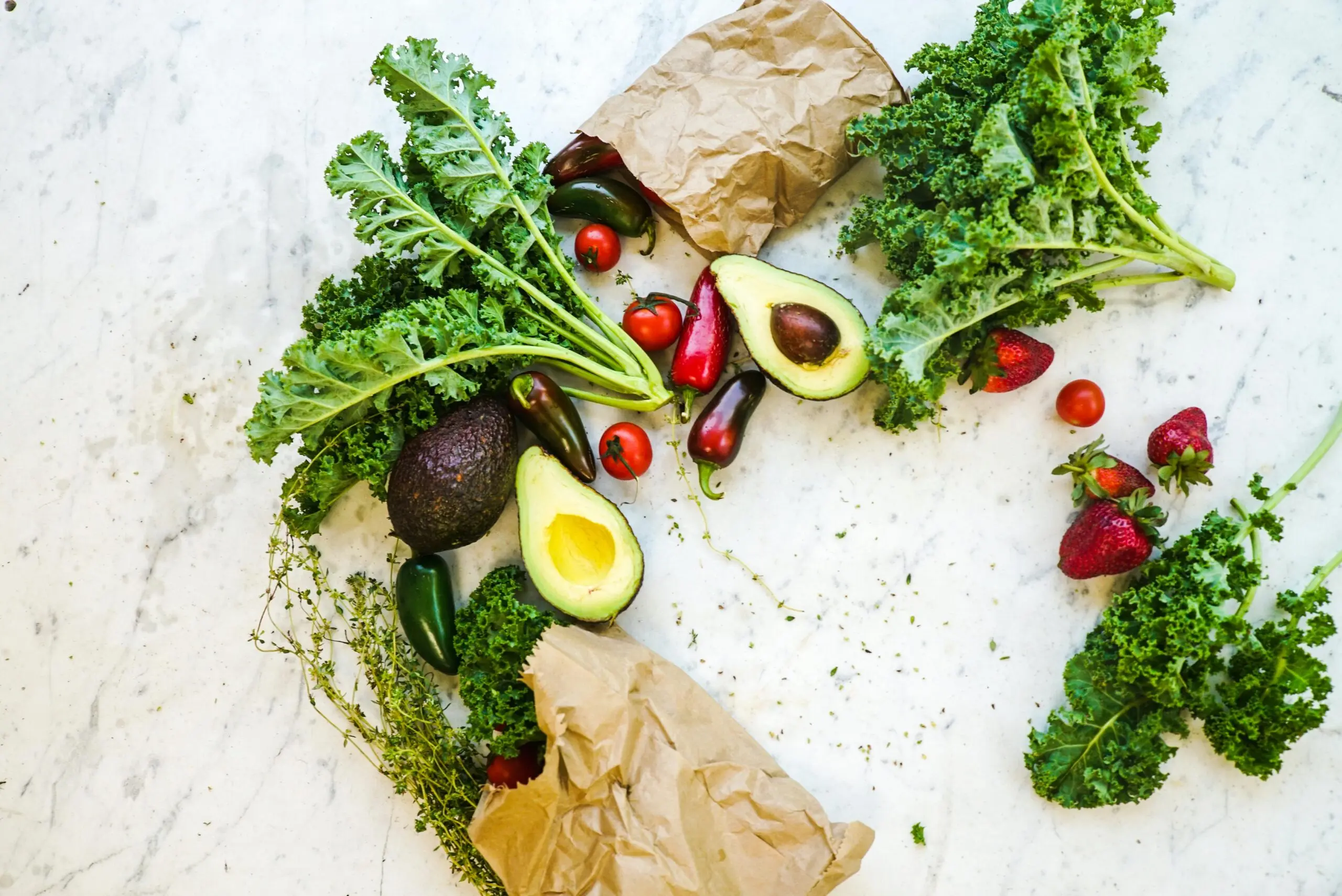
Miracle tree, tree of life, horseradish tree, behen tree, clarifier tree – there are many names for Moringa. For centuries, the plant has been valued in various cultures for its nutritional and medicinal properties. It is even considered one of the most nutrient-rich plants in the world, which is why its popularity as a superfood is steadily increasing.
What is Moringa?
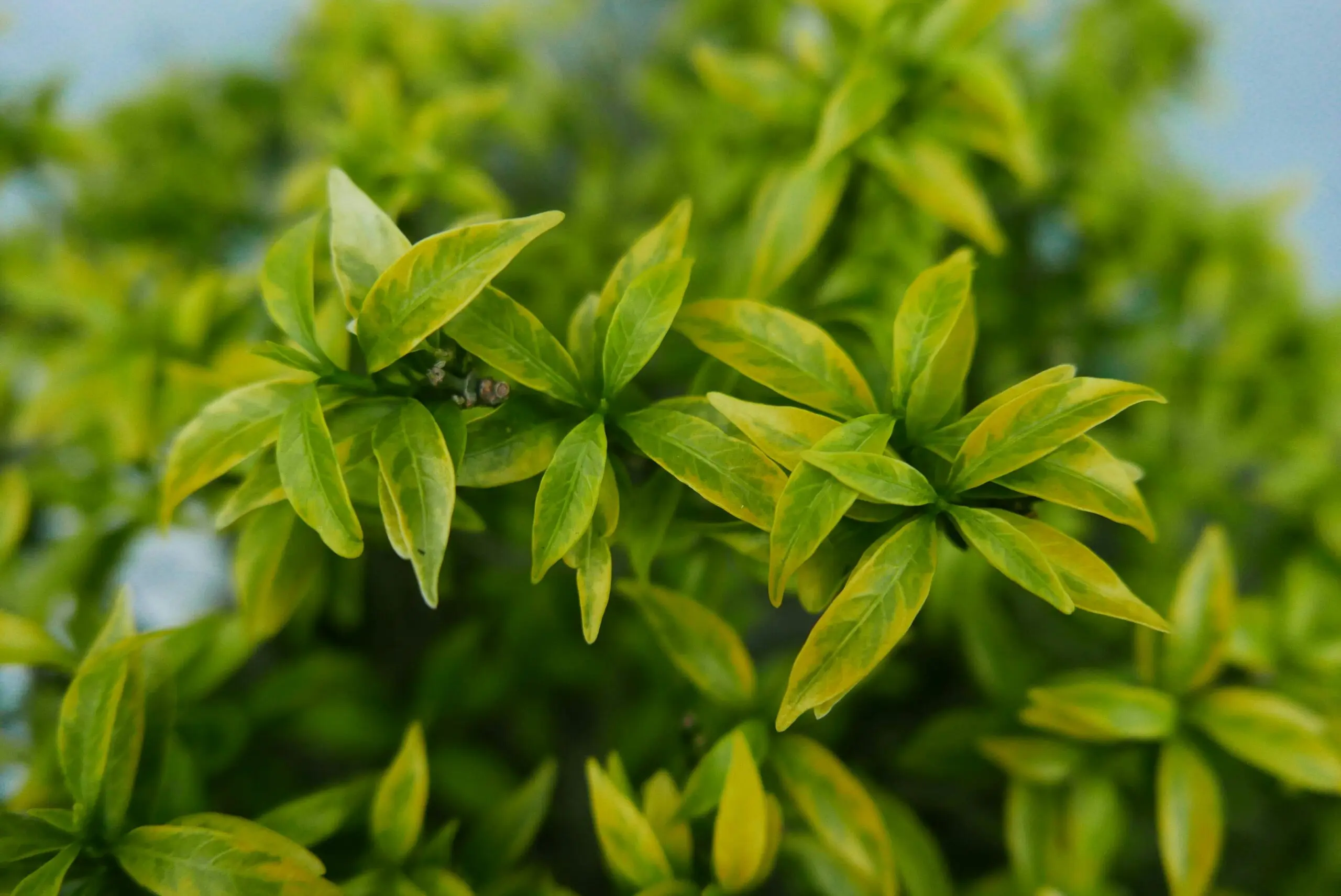
Moringa oleifera – also known as Miracle tree, Horseradish tree or Tree of life – originally comes from the Himalayan region of northwest India. Today, the fast-growing plant is cultivated in Africa, the Caribbean, and Southeast Asia cultivated. Of the 13 different Moringa species, Moringa oleifera reaches a height of 8 to 10 meters.
Usable parts of the plant
The entire tree is usable:
Leaves (mostly as powder or capsules)
Seeds (for moringa oil)
roots (in traditional medicine)
flowers (as a spice)
fruits (as food)
Special feature: The seeds can be used for water purification - 0.2 g of ground seeds are enough to turn 1 liter of contaminated water into drinking water.
Ingredients and nutritional values of Moringa
Moringa is characterized by a wide range of nutrients as follows:
Scientific research on Moringa is mostly still in early stages. Most studies have been conducted on cell cultures or animals done. High-quality clinical studies in humans are largely lacking..
Scientifically studied effects
Antioxidant effect partially proven
Polyphenols and flavonoids can reduce oxidative stress
Practical studies show hardly any measurable effects
cancer research no clinical relevance
In cell cultures, inhibitory effects on cancer cells have been observed
No clinical studies in humans
According to the German Cancer Research Center (DKFZ): "Moringa has no role in cancer therapy"
Traditional use vs. scientific evidence
In Ayurvedic medicine Moringa has been used for centuries for over 300 ailments. However, many of these traditional uses are not scientifically proven.
Applications: What is Moringa used for?
The regular intake of the superfood as a dietary supplement does not replace medications, but it brings a whole range of health benefits: These include naturally regulated digestion, increased energy, healthy skin and hair, as well as improved immune defense.
It strengthens the bones and boosts metabolism. It is also helpful in preventing arteriosclerosis, stroke, and heart attack . The plant's polyunsaturated fatty acids protect the arteries from deposits and are also said to lower cholesterol and blood sugar levels. In natural medicine, Moringa is used for these diseases:
Diabetes (Type 2)
Asthma
Fever
Cardiovascular diseases
Inflammations
High blood pressure
Anemia
How does Moringa affect the psyche?
Moringa can indirectly help to support the psyche by providing the body with essential nutrients that are important for the function of the brain and stabilizing mood. An increased energy level can also have a positive effect on the psyche, bringing more joy and balance to life.
Intake and Dosage of Moringa
Forms of Administration
Moringa Powder
Loose for stirring into smoothies, yogurt, or juices
Dosage: 3-10 g daily
Advantage: flexible dosing
Moringa Capsules
Convenient for on the go
Dosage: usually 1-3 capsules daily (300-420 mg per capsule)
Advantage: tasteless
Moringa tea
3-4 teaspoons of dried leaves
Pour boiling water over it
Let steep for 7-10 minutes
Moringa oil
Pressed from seeds
Rich in omega-3 fatty acids
Use: skincare or food preparation
Taste: spicy, similar to mustard oil
Recommended dosage
Beginners:
Week 1: 1 g per day
Week 2: 2 g per day
From Week 3: 3-5 g daily with a meal containing some fat
Advanced:
Up to 10 g daily possible
Taking with fatty food improves absorption of fat-soluble vitamins
Best time to take
Morning: For an energy boost at the start of the day Before exercise: For extra nutrients during training At mealtimes: For optimal nutrient absorption
Possible side effects and interactions
Digestive discomfort
Diarrhea possible due to glucosinolates
Start with a small dose if you have a sensitive stomach
Interactions with medications
May affect the action of blood thinners
Interaction with CYP450 substrates possible
Caution with immunomodulators and hormone therapies
Consult before chemotherapy
FAQ about Moringa
Is Moringa a scientifically recognized superfood?
No. The term "Superfood" is a marketing term without legal definition. According to the European Health Claims Regulation, the health benefits must be proven – these Evidence is lacking for Moringa.
How does Moringa affect the psyche?
Moringa can indirectly support the psyche by supplying the body with essential nutrients (B vitamins, magnesium, iron). Increased energy levels can positively affect mood and balance. Direct mood-enhancing effects are not proven.
What diseases does Moringa help with?
Important clarification: Moringa is a food and not a medicine. It cannot and may not cure diseases. The statement "helps with 300 diseases" is scientifically untenable.
For the following conditions, there are preliminary research indications (not: evidence):
Type 2 diabetes (mixed study situation)
Inflammatory processes
Oxidative stress
For all diseases applies: Talk to your doctor and do not stop taking prescribed medications.
Can Moringa help with weight loss?
There are no reliable studiesthat prove a weight-reducing effect of Moringa. Fiber can support the feeling of fullness, but Moringa is no miracle weight loss cure. A balanced diet and exercise remain the foundation.
How much Moringa per day is sensible?
The usual recommendation is 3-10 g of powder daily. Start with a low dose (1-2 g) and slowly increase to test tolerance. Higher doses (20-60 g) from studies are not practical for everyday use and can lead to digestive issues.
Where can I buy high-quality Moringa?
Pay attention to:
Organic certification
Laboratory tests for contaminants
Transparent origin information
Reputable suppliers without exaggerated health claims
Reviews and test results
Avoid products with unrealistic marketing claims like "cures cancer" or "detoxifies the body."
Is moringa better than local superfoods?
No, not necessarily. Domestic alternatives such as kale, spinach, nettle, or dandelion provide comparable nutrients, are fresher, more local, and often cheaper. The ecological footprint due to long transport routes supports local alternatives.
Are there differences between Moringa species?
Yes. The most commonly used species is Moringa oleifera. Less common is Moringa stenopetala (African Moringa), which contains similar nutrients but forms a thickened trunk. Moringa oleifera is almost exclusively used for dietary supplements.
Summary: Realistically considering Moringa
The benefits
Wide range of vitamins and minerals
Rich in antioxidants
Plant-based protein source
Versatile use (powder, capsules, tea, oil)
Traditionally proven food
The limits
Scientific evidence for health effects in humans is limited
No approved health claims in the EU
Quality issues with many products (pesticides, contaminants)
Cannot replace medications
High expectations often not justified by marketing.
Our conclusion
Moringa is a nutrient-rich food, which can be used as part of a balanced diet. However, the term "miracle tree" is exaggerated.
Moringa can be useful:
As a supplement for an unbalanced diet
For general nutrient supply
As an alternative to synthetic multivitamin supplements
Moringa is NOT suitable:
As a substitute for medication
For treating diseases
As a sole solution for health problems
A balanced diet with plenty of fresh vegetables, fruits, whole grains, and quality proteins remains the best foundation for health. Moringa can supplement but not replace.