© Thirdman
To counteract certain side effects, medications can be taken already before chemotherapy, for example.
October 9, 2024
Moira Hammes
In addition to the challenges of a cancer diagnosis, treatment can not only cause physical discomfort but also have significant psychological impacts. Here you can learn about supportive measures that can ease chemotherapy.
Breast cancer is the most common cancer among women in Germany, accounting for 30%. Statistically, one in eight women will develop it during her lifetime, with the risk increasing with age.
The treatment of breast cancer is highly individualized and depends on the extent of metastasis. Treating physicians choose suitable therapy forms based on factors such as the spread of the tumor, involvement of neighboring tissue, and the time of diagnosis. In addition to surgery and radiation, chemotherapy is a commonly used treatment method.
In chemotherapy, cytostatics – cell growth-inhibiting substances – are usually administered intravenously. These spread through the bloodstream throughout the body and can thus also affect dispersed cancer cells reach.
Administration occurs in several cycles, the duration and frequency of which are individually adjusted. By conducting therapy in cycles, tumor cells in various growth stages can be targeted, which is intended to increase the success of the therapy.
The treatment breaks between cycles also serve to allow healthy cells to recover from the effects of the therapy.
Although cancer cells are more susceptible to chemotherapy, cytostatics cannot selectively distinguish between cancer and healthy cells, which means that they can also affect healthy body cells.
Particularly affected are fast-dividing cells such as mucosal cells of the gastrointestinal tract, blood-forming cells of the bone marrow, and hair root cells. Possible side effects of chemotherapy include:
– Fatigue (exhaustion and tiredness)
– Loss of appetite, nausea, and vomiting
– Inflammation of the mucous membranes
– Hair loss
– Disruptions in blood formation
– Immunodeficiency
– Polyneuropathies (nerve damage)
– Heart muscle weakness
– Impairments of fertility
These side effects can occur both during therapy and with a delay. They usually subside after the end of chemotherapy, but in some cases, they may persist.
To counteract certain side effects, medications can be taken before chemotherapy, especially to prevent nausea and vomiting. This has the advantage that treatment is not immediately associated with unpleasant symptoms.
Symptoms can also be alleviated for other side effects by administering medication. Pain relievers can help with chemotherapy-related discomfort, while antidepressants can support mood swings.
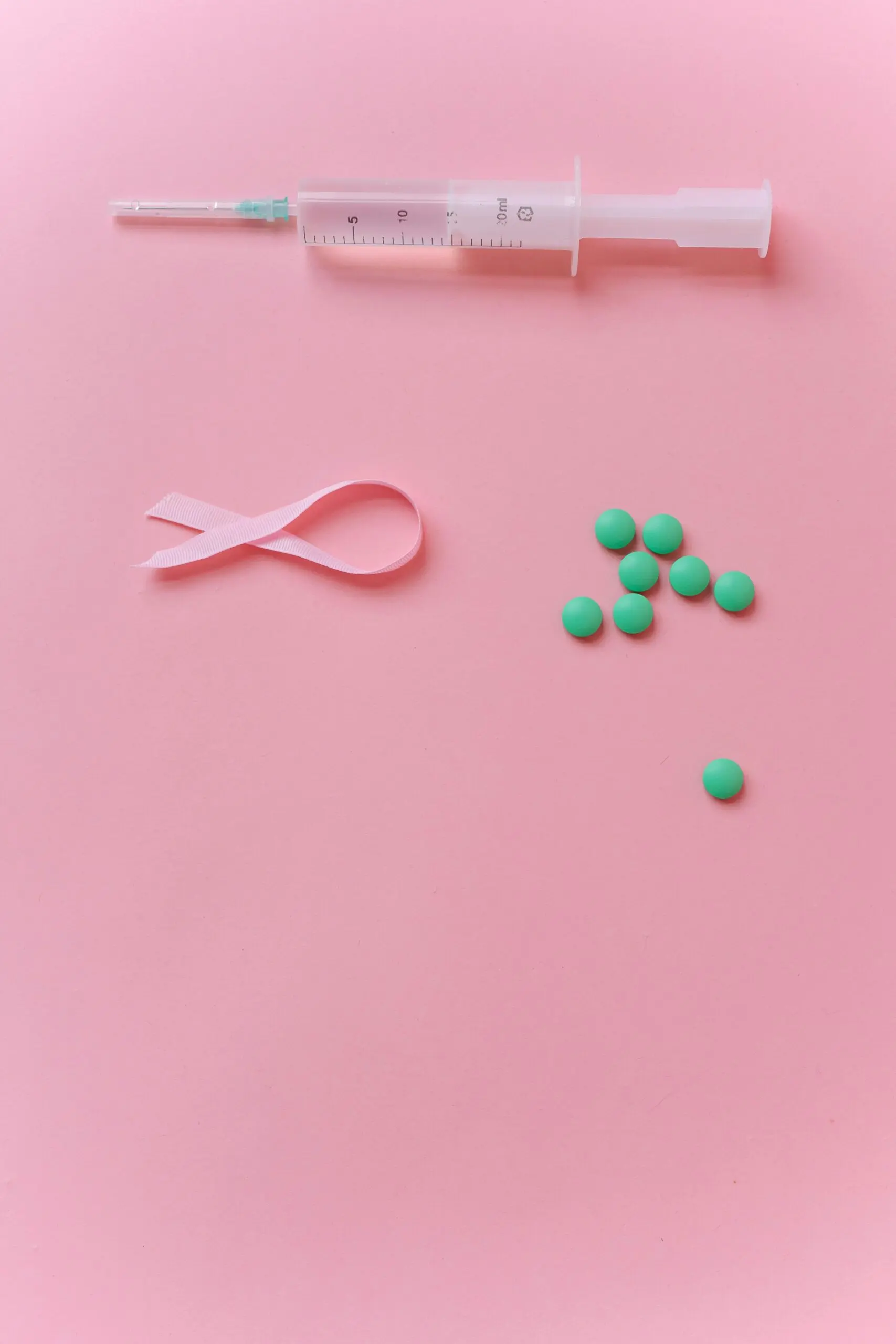
In cases of a decrease in white blood cells, which can lead to a weakened immune defense and fatigue, medications are available that stimulate the bone marrow. Blood transfusions and the intake of iron can have positive effects on blood formation.
Although it may seem counterintuitive, it can Movement can be helpful in case of exhaustion and fatigue. In addition to psychological support, physical activity can help alleviate the symptoms of fatigue. However, it is important not to overexert – moderate exercise can usually be sufficient.
In some cases, chemo-induced nerve damage may occur during treatment, especially in the hands and feet. These damages often manifest as uncomfortable to painful sensory disturbances.
To counteract neuropathies, it may be advisable to wear compression-like gloves and stockings and to perform specific stimulating exercises. In cold weather, warm socks and gloves should be worn to support sensation.
In addition to physical complaints, a cancer diagnosis and associated therapy can also have significant psychological effects. Hair loss, in particular, is often perceived as distressing by many patients, as it affects self-image and can lead to a feeling of stigmatization.
In addition to concealing methods such as the use of wigs and scarves, another possible supportive measure is cooling cap therapy. Here, the head is cooled down to a low single-digit degree range with the aid of a cap filled with cooling gel before, during, and after chemotherapy.
This is intended to prevent cytostatics from reaching the hair root cells and thus reduce hair loss by constricting the scalp vessels. However, patients may find the cooling uncomfortable.
The efficacy of this method is individual and depends on various factors, such as the fit of the cap, hair structure, and the duration, intensity, and type of chemotherapy. The current study situation is also limited and mainly focuses on breast cancer patients.
However, some studies showed success in about every second participant (defined as hair loss of less than 50%). The decision for or against the use of a cooling cap should always be made together with the attending physician, as it is a very personal decision that may also depend on the specific chemotherapy.
As with other illnesses, it is crucial to maintain contact with the treating physicians during cancer treatment and to communicate symptoms openly. This is the only way to ensure that the individual therapy is optimally tailored to the specific case.
Furthermore, physicians can usually offer the best possible advice. Additionally, self-help groups can provide valuable support for those affected and help reduce the feeling of potential isolation.