© Magnific-KI
Itching and Anal Eczema
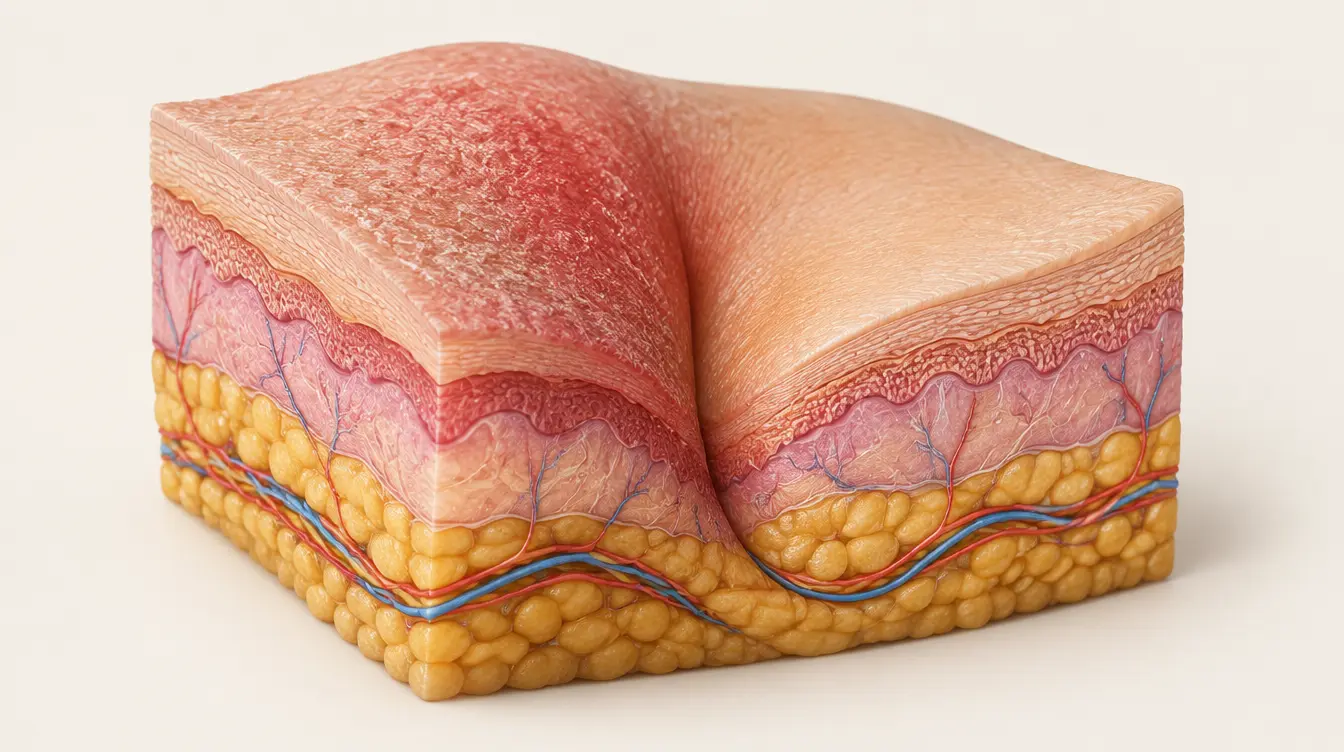
Itching, burning, and irritated skin around the anus are common complaints — and extremely uncomfortable for those affected. Often, the culprit is what is known as anal eczema: an inflammation of the sensitive skin in the anal region. Symptoms may be temporary, but they can also persist for months and significantly reduce quality of life.
Why Does Anal Eczema Develop?
The skin around the anus is exposed to particular stresses. Moisture, stool residue, excessive sweating, or overly vigorous cleansing can all compromise the skin's natural protective barrier. Hemorrhoids may also be a contributing factor if they cause small amounts of mucus or stool to leak out and persistently irritate the surrounding skin. In addition, skin conditions, allergies, or — less commonly — infections may be to blame. For this reason, itching that has persisted for an extended period should not simply be managed indefinitely with over-the-counter ointments.
Identifying the Cause Is Key
The first step is a thorough proctological examination. The goal is not only to treat the irritated skin, but to identify the underlying trigger. Treatment is then tailored to the individual. In many cases, adjustments to anal hygiene practices, regulation of bowel movements, and targeted skin care are sufficient. For more pronounced inflammation, specialized ointments may be used on a temporary basis. If a hemorrhoidal condition is identified as the root cause, it should be treated specifically as well. The aim is not just quick relief from itching, but lasting treatment of its underlying cause.
Other Treatment Methods in this Department
Experts for this Treatment Method
All Experts in this Department
Show All
- Modern Abdominal Surgery
Dr. Birgit Dinnewitzer
Dr. Birgit Dinnewitzer
- Modern Abdominal Surgery
Dr. med. Felix Hemminger
Enddarmzentrum München-Bavaria
- Modern Abdominal Surgery
Prof. Dr. med. Carina Riediger, MSc
Marienhospital Stuttgart
- Modern Abdominal Surgery