June 16, 2025
Pia Landgrebe
What attracts us and why can we hardly resist certain temptations? Who throws us off balance? The new issue of Premium Quarterly is dedicated to the art of seduction: Analog, digital, and in between
With experts from our network
From the magnetic effect of charismatic personalities to culinary desires to digital temptations: Premium Quarterly asks why real attraction never has to be loud and how it comes about.
Enclosed you will find an excerpt of topics from the new edition of Premium Quarterly:

What makes people attractive? What role do hormones, skin, and brain chemistry play in terms of attraction? The doctors of the Premium Medical Circle explore the subject of seduction from a medical and scientific perspective in the new edition of Premium Quarterly.
"There is no single seduction hormone, rather it is the mix of different hormones and neurotransmitters that triggers this euphoria and thus has a similar effect to a drug. No wonder you feel intoxicated," says endocrinologist Dr. Alexandra Schoeneich.
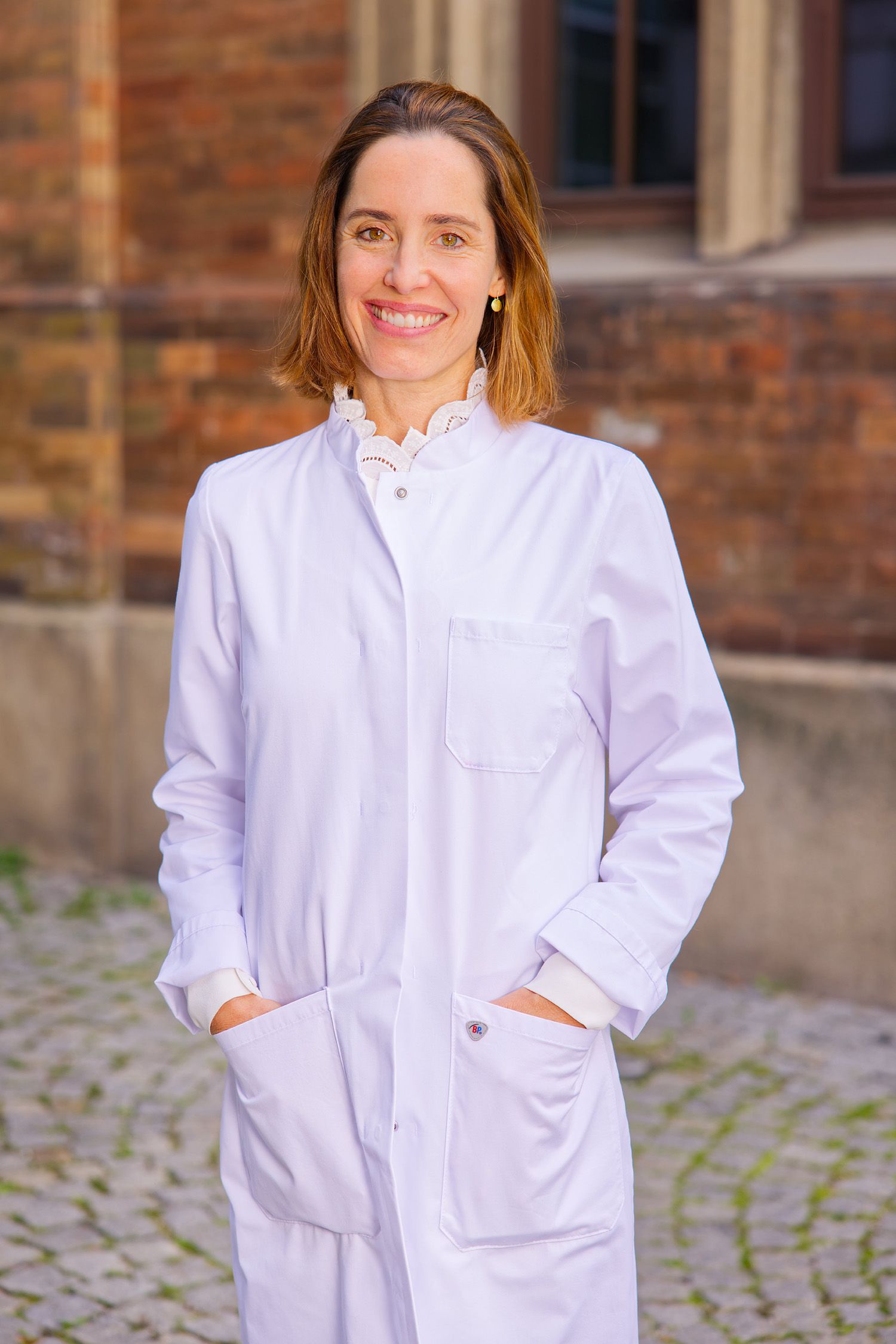
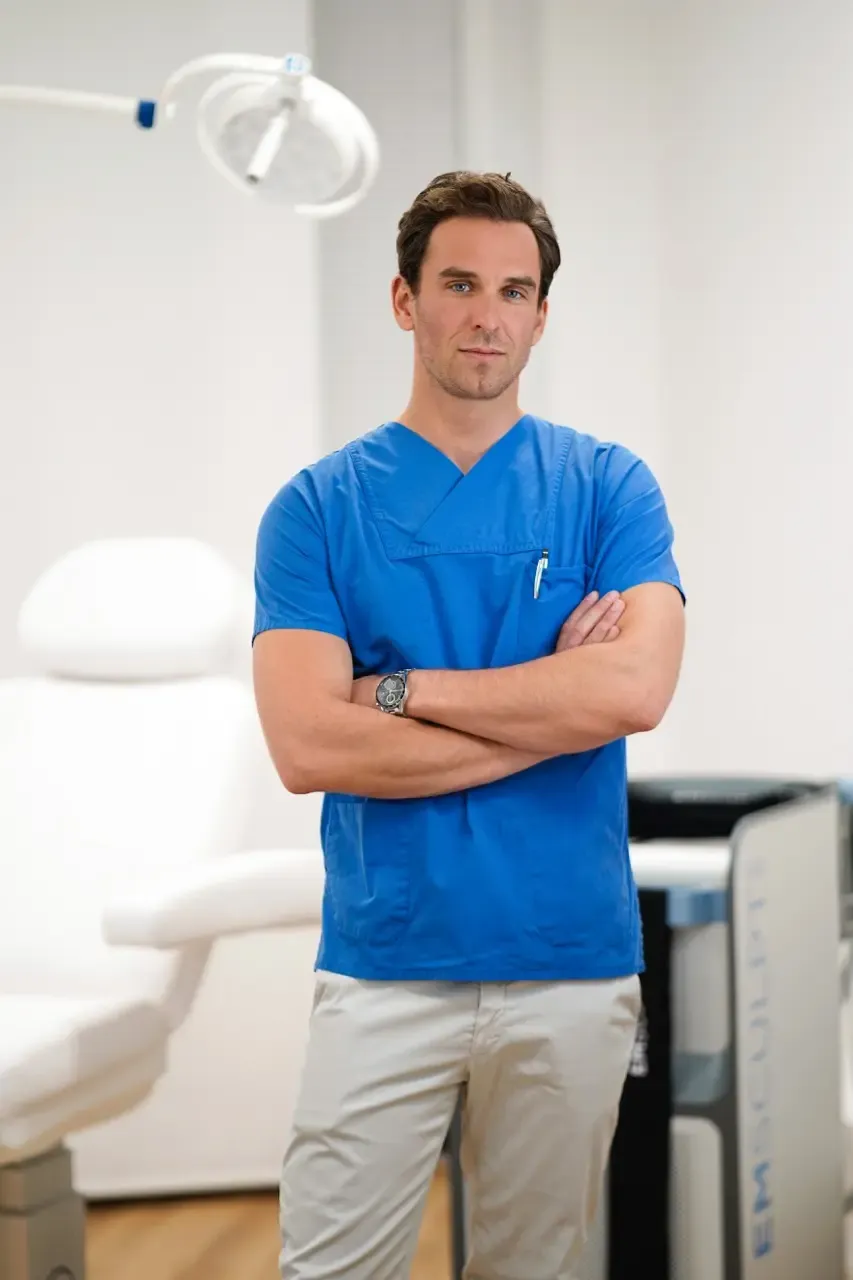
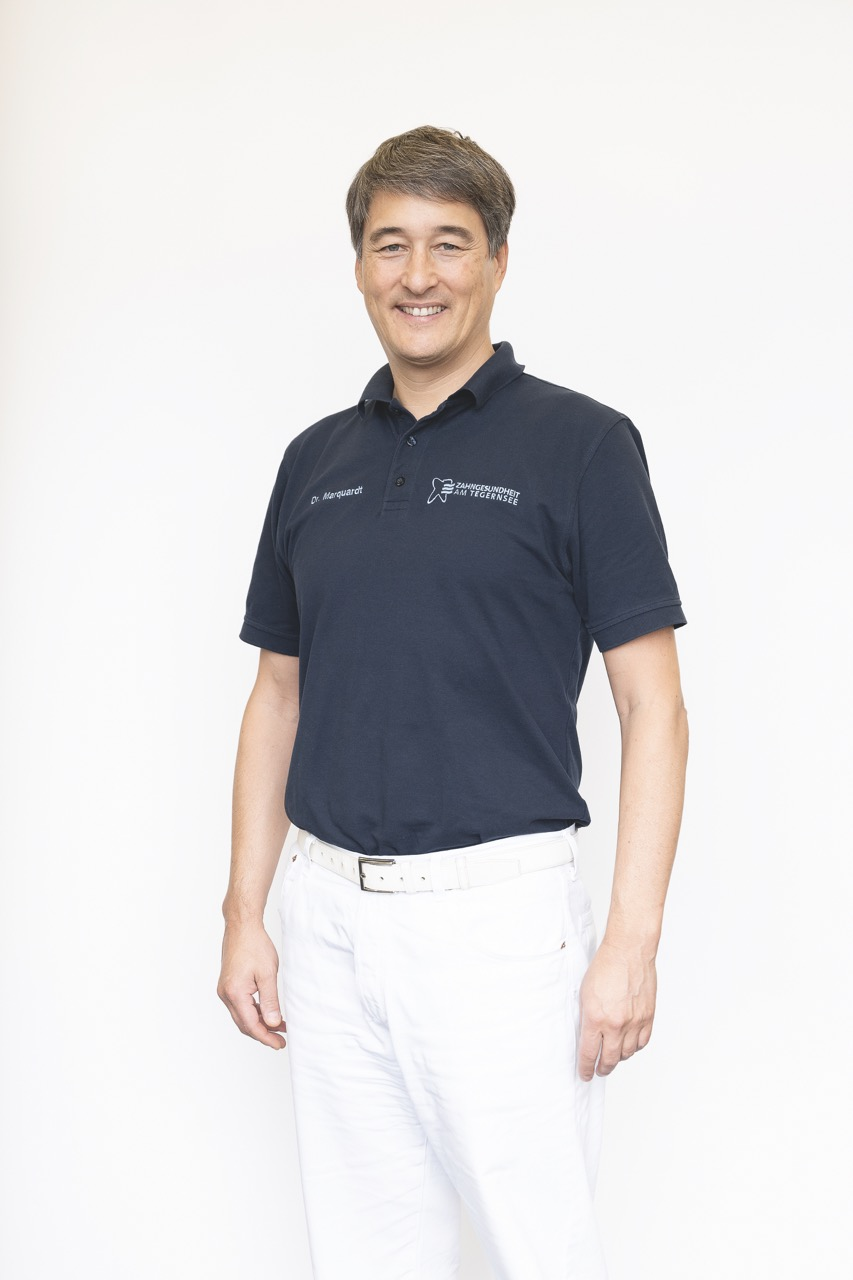
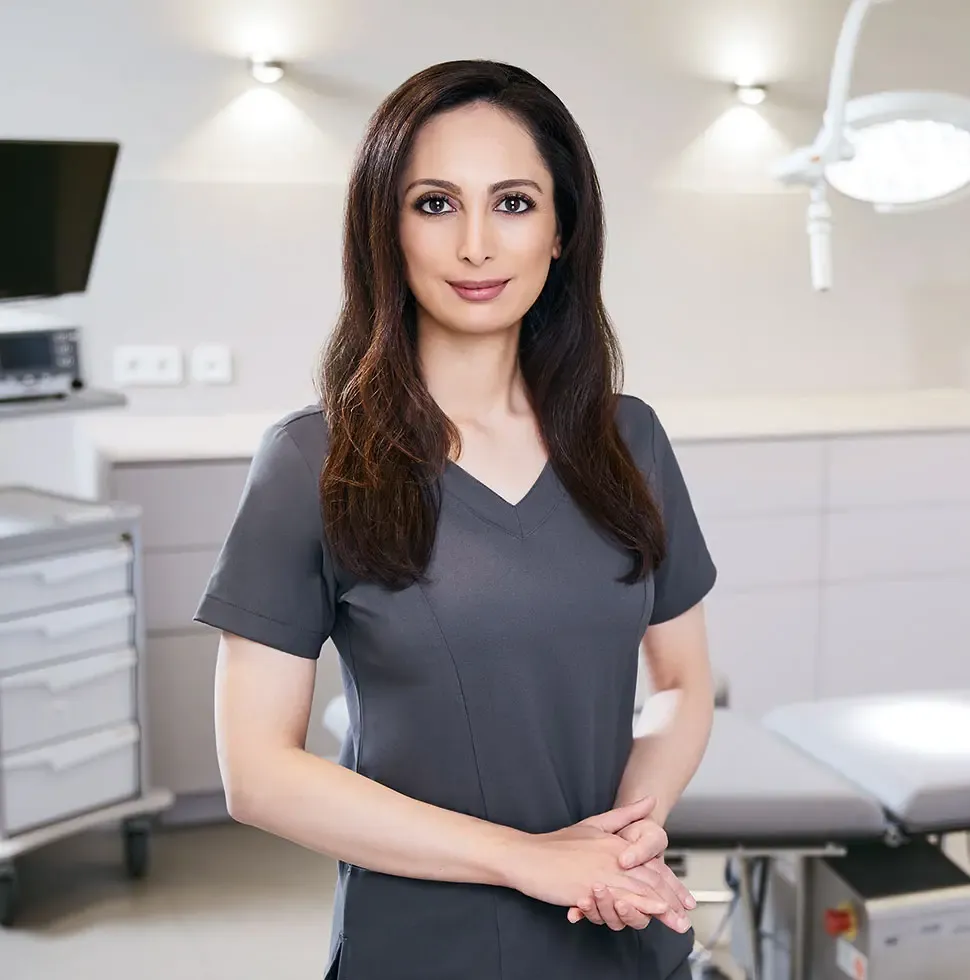
Neurologist Dr. Georg Haber explains how dopamine, the amygdala, and the reward system trigger desire, while ENT specialist Dr. Christian Jacobi dispels the myth of human pheromones and shows why smelling is our most intimate sense. The skin as a mirror of emotions is the focus of Dr. Marie Bausch, while dentist Dr. Siegfried Marquardt shows how strongly a smile works subconsciously. And Dr. Neda Nabavi dispels beauty myths: True attraction lives on character, balance, and sometimes a small flaw.

Hardly any actress knows how to win people over as much as Eva Mattes, on stage, in film and in real life. In an interview with Premium Quarterly, the grande dame of German acting speaks about the art of surrendering oneself instead of staging oneself.
“Seduction should have something light, something floating - like a scent that passes,” she says. Her form of seduction? Allowing closeness, really looking, being open and flirting with life: “Yes, I also love flirting a lot. Life is beautiful. I flirt with everyone and everything.”

What begins as a harmless pleasure can gradually lead to dependence. Premium Quarterly examines why addiction is not about weakness of will but rather a misdirected reward system, mental strain, and often overlooked warning signs.
“At least half of the people with an addiction disorder also have one or more other mental illnesses,” says addiction expert Dr. Eva Döring-Brandl. Whether it's alcohol, medication, or digital stimuli: Seduction can be deceptive, but getting out is possible.

They know our desires before we know them ourselves and make us feel like everything is made just for us. Premium Quarterly shows how algorithms have long since become the most dangerous seducers of our time.
“Every time you open a social media app, there are a thousand people on the other side of the screen being paid to keep you there,” warns former Google manager Tristan Harris. What starts as a smart recommendation often ends in binge consumption, digital addiction, and the loss of our judgment. The result: We keep scrolling, even when we know it's not good for us.

 Find a Doctor
Search the network for suitable specialists and contact them directly
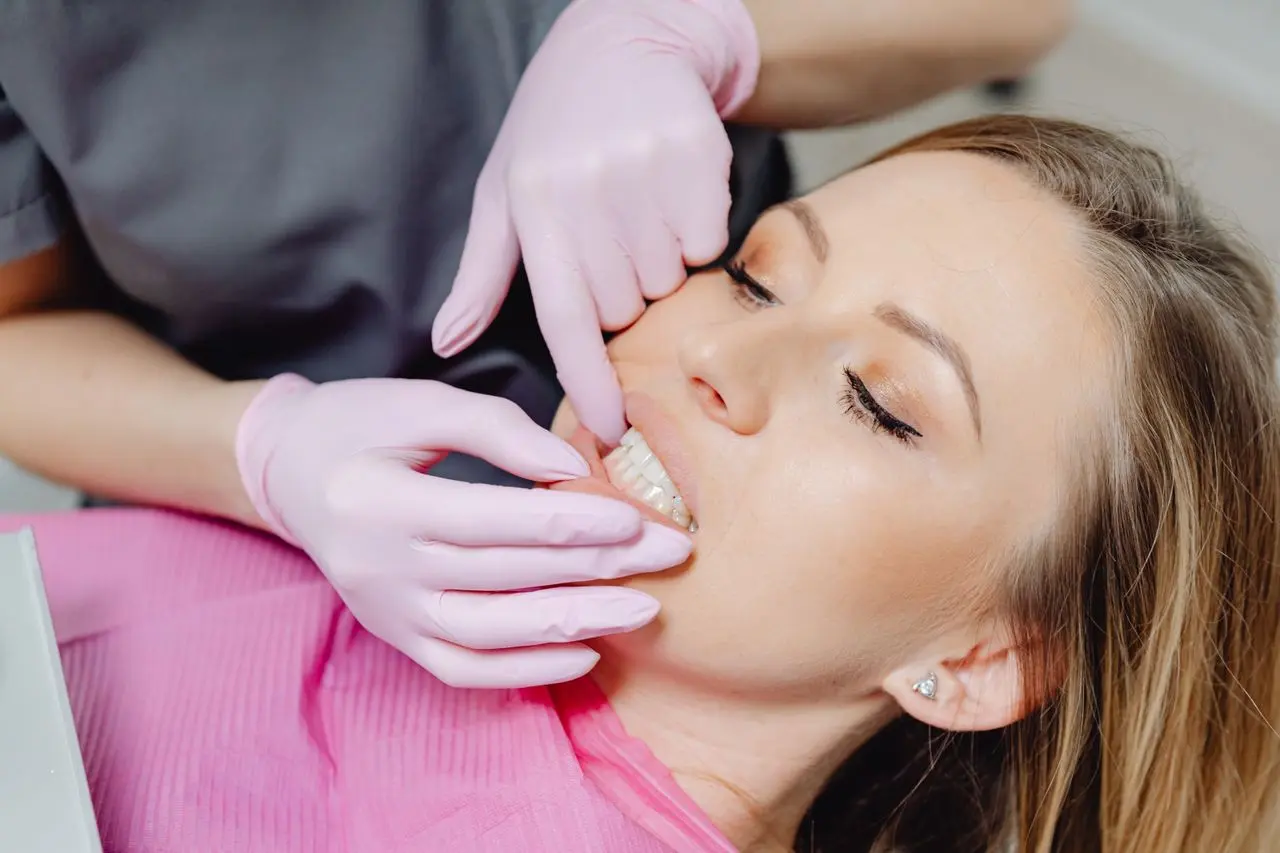
Veneers promise flawless teeth – but not every treatment is as gentle as many people think. Dentist Dr. Oliver Brendel explains which risks are often underestimated, when he advises against a treatment and what really makes a beautiful smile.
Christine Bürg & Marianne Waldenfels
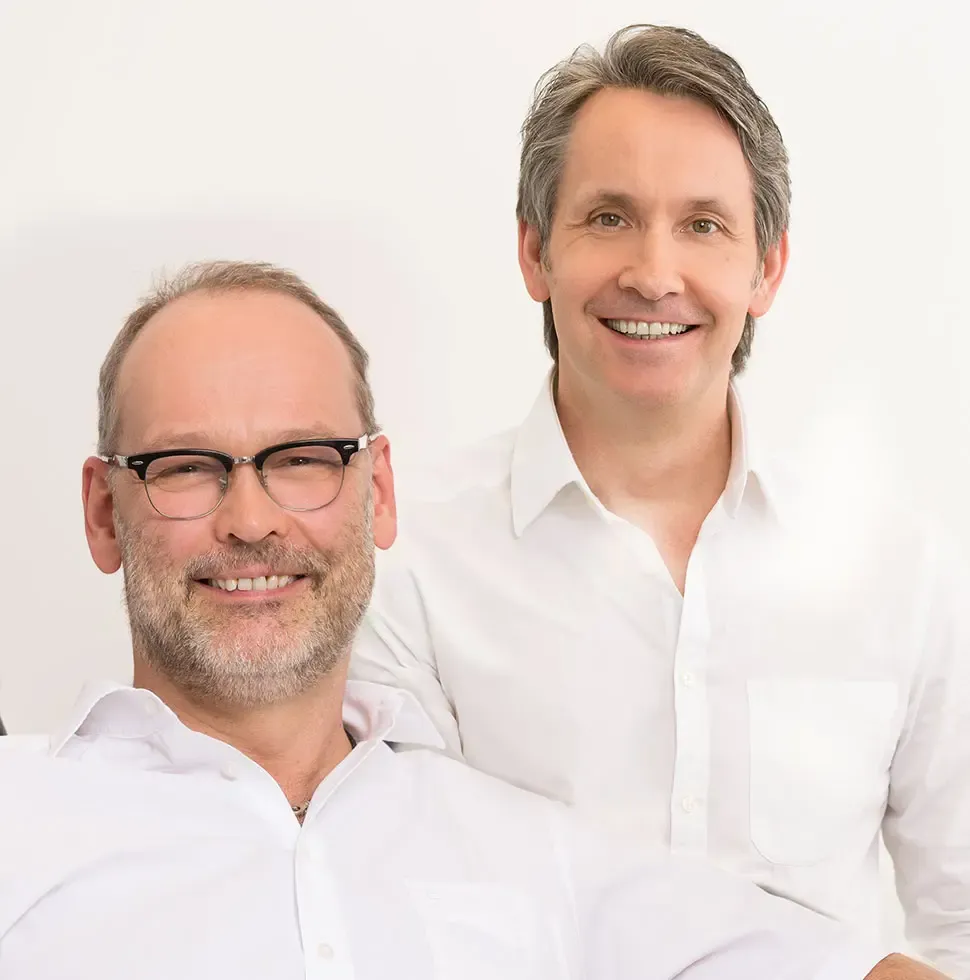
An interview with
Dr. med. dent. Oliver Brendel
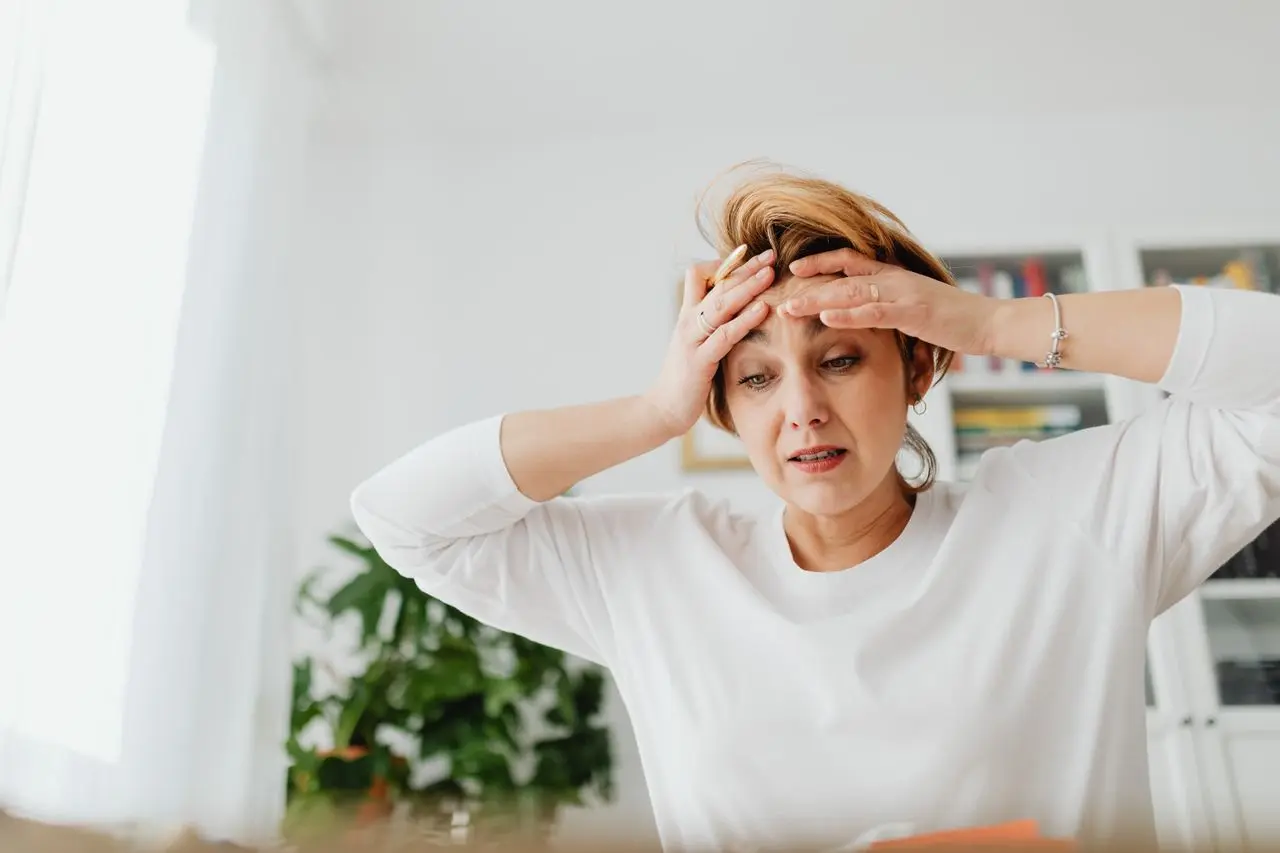
Familiar names slip your mind, concentration fades, and everyday tasks feel increasingly draining. Hormonal changes may be behind this brain fog — often beginning before the final menstrual period. Endocrinologist Dr. Alexandra Schoeneich explains what happens in the brain and what role hormone replacement therapy can play.
Christine Bürg & Marianne Waldenfels
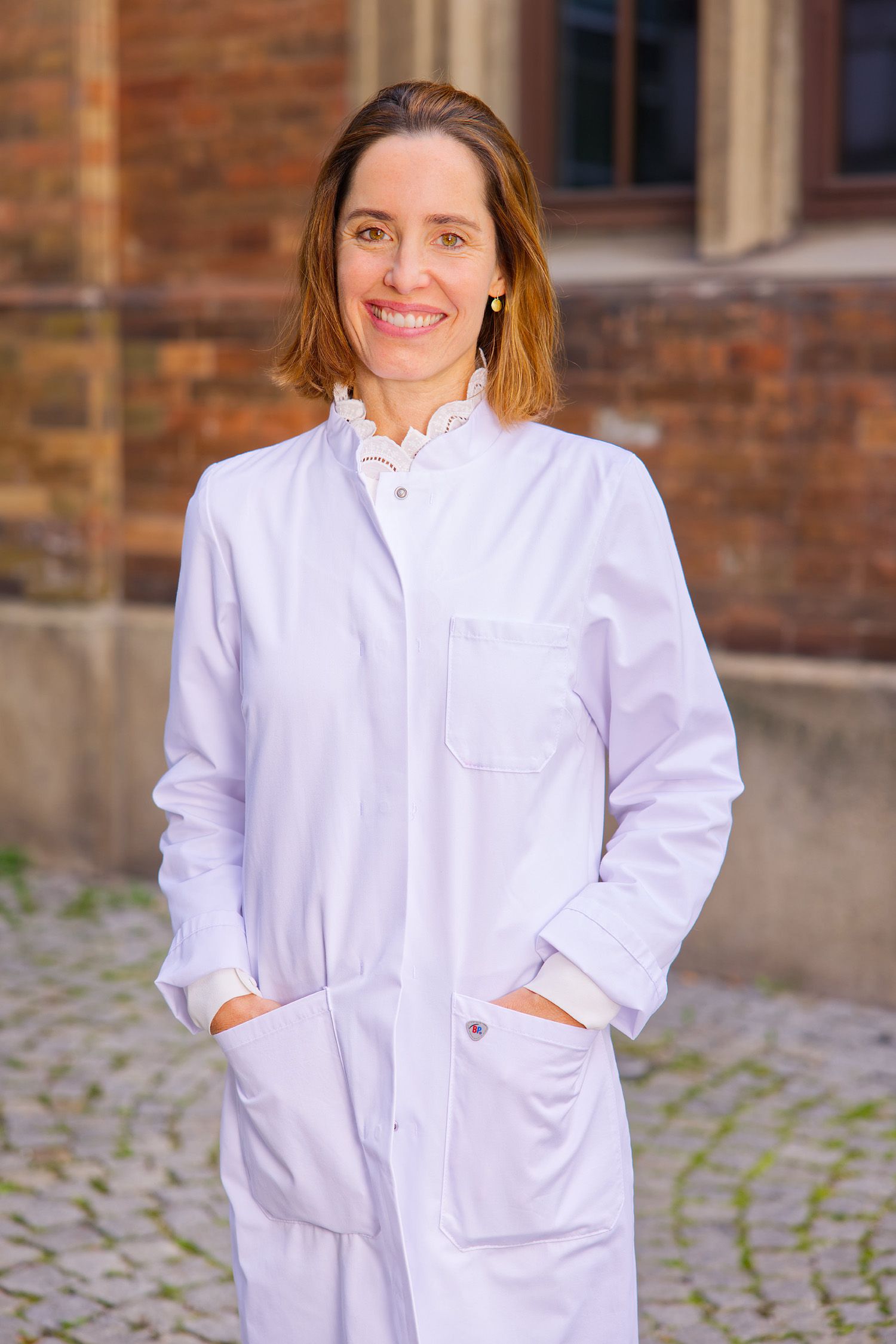
An interview with
Dr. med. Alexandra Schoeneich
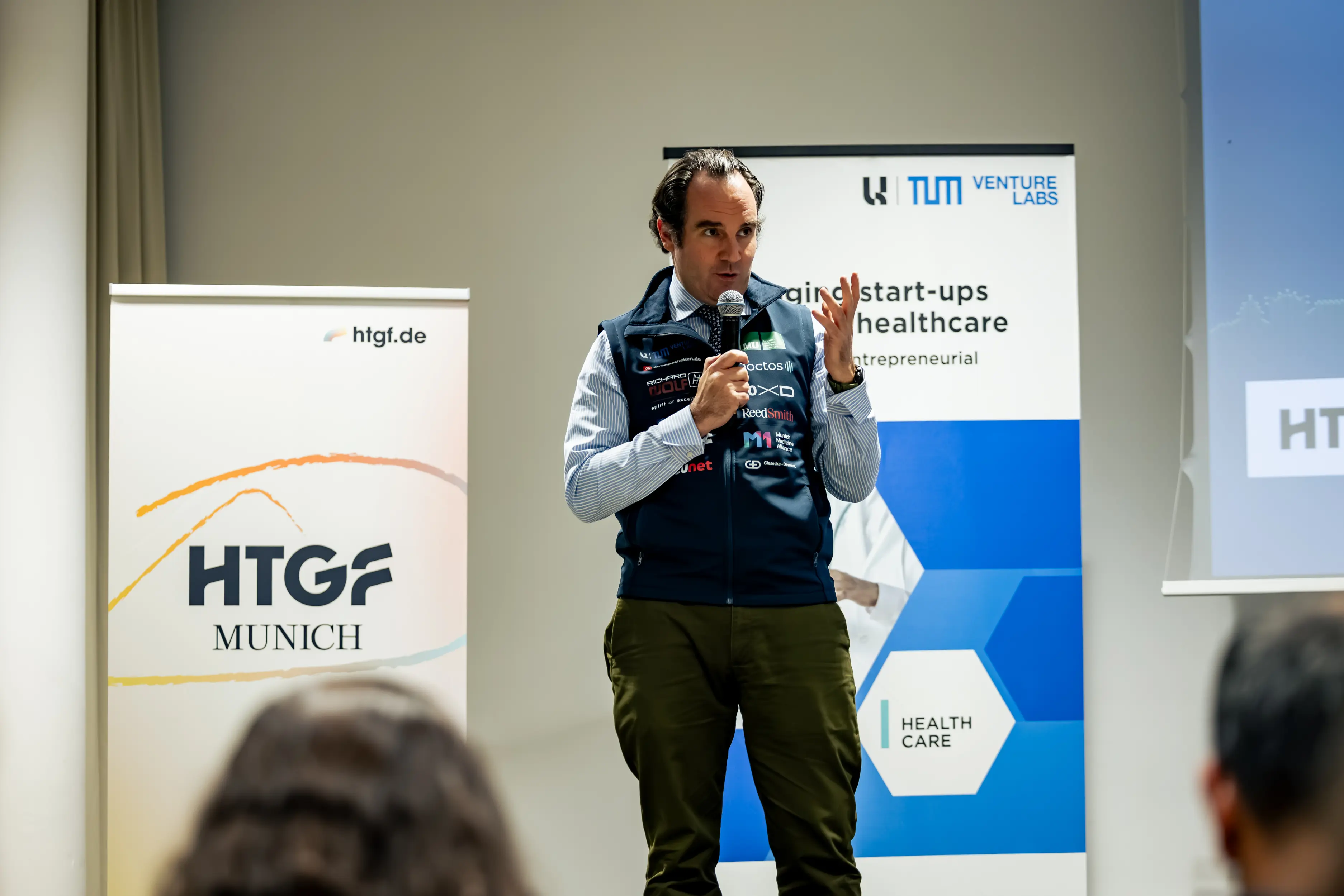
Artificial intelligence, digital diagnostics, and new technologies are transforming medicine. At the Digital Health Summit 2026 in Munich, leading scientists, physicians, founders, and investors explored how to turn cutting-edge research into better patient care — and why collaboration among Munich's leading institutions is key to making it happen
PMC Redaktion
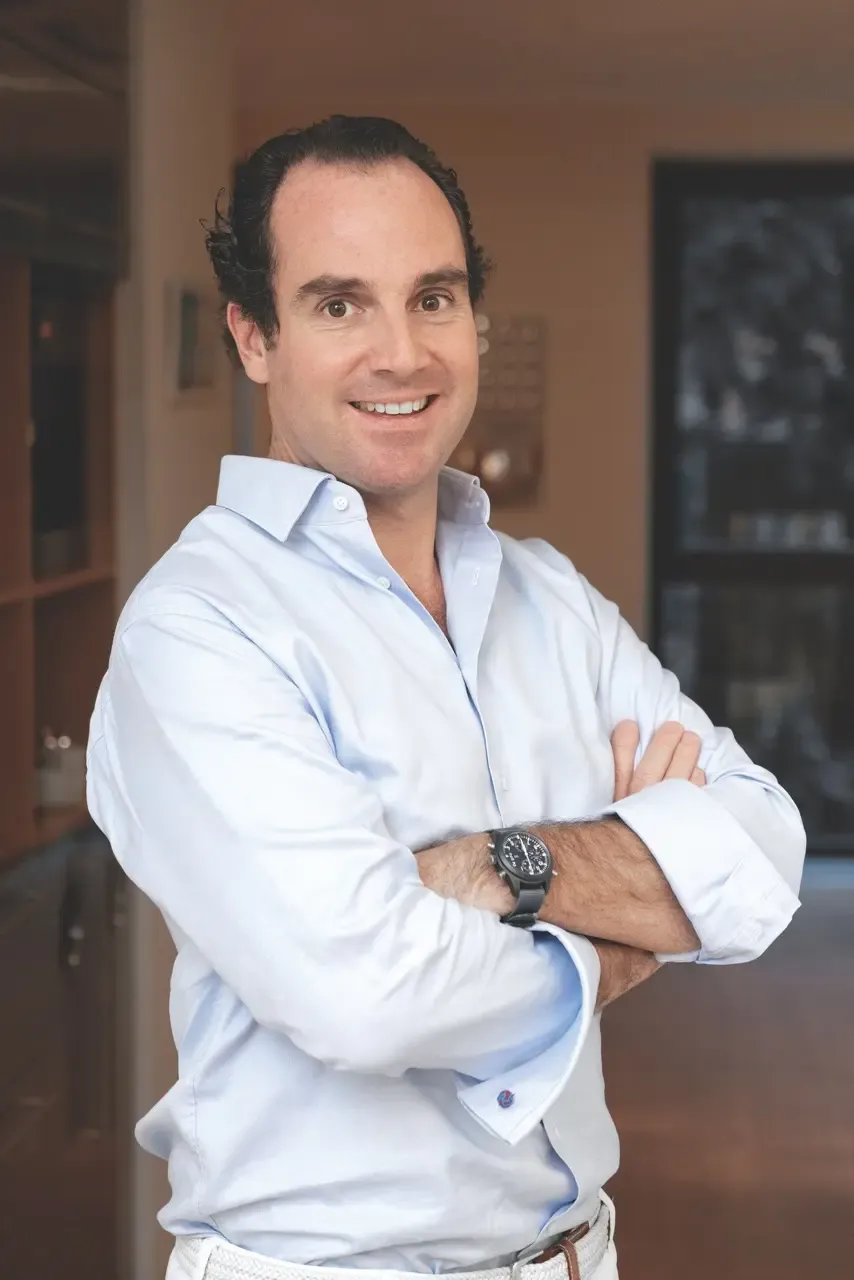
With
Univ.-Prof. Dr. med. Dominik Pförringer

An injection for osteoarthritis pain – but which treatments actually make a difference? Orthopedic specialist Dr. Ferzan Süzer explains why she rarely uses cortisone for degenerative joint disease, what research reveals about hyaluronic acid and platelet-rich plasma, and why injections alone are not enough.
Christine Bürg & Marianne Waldenfels
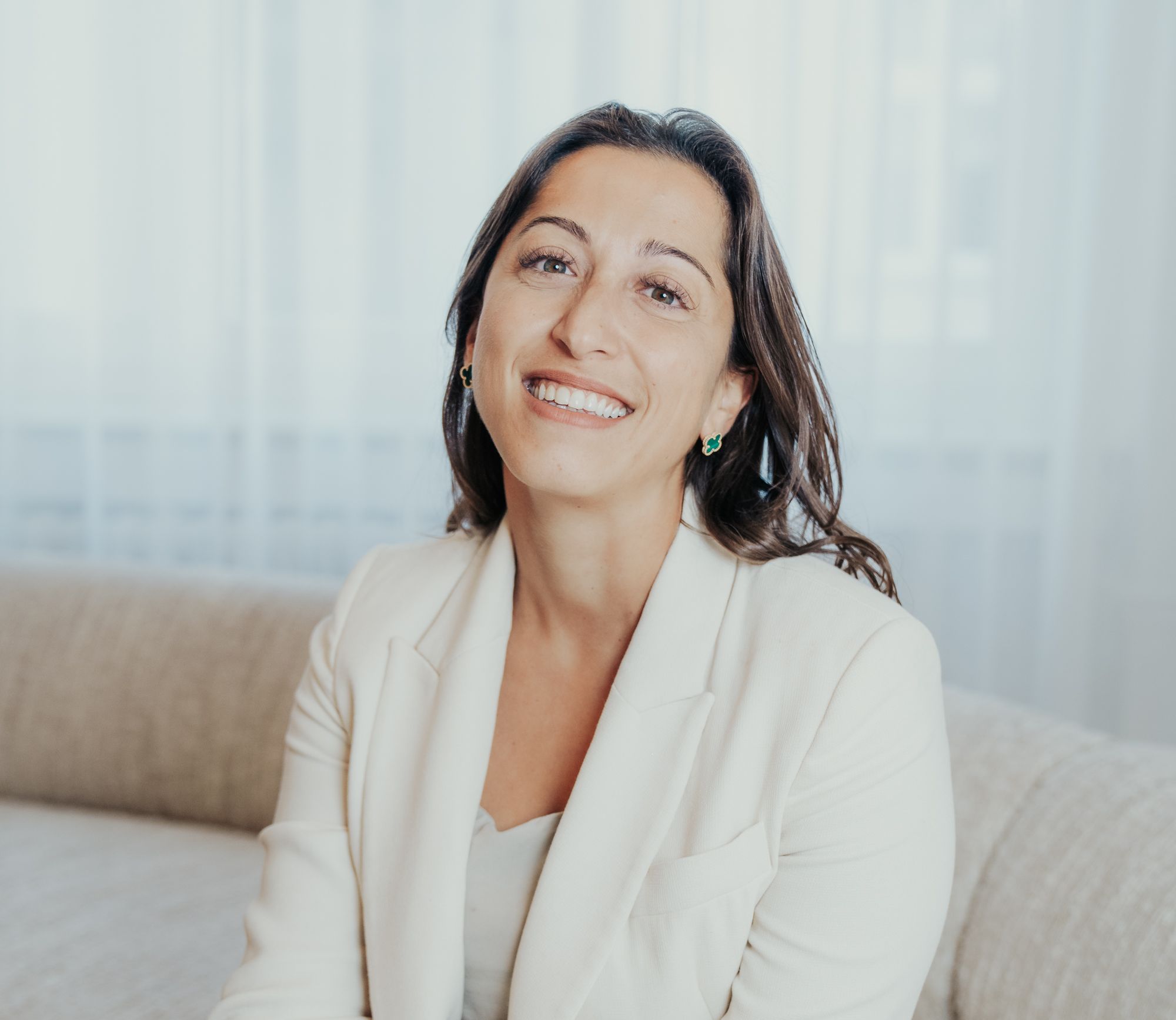
An interview with
Dr. med. Ferzan Süzer