Genetic tests: Blessing or curse?
"Feel good, live better" – the health podcast from Premium Medical Circle. In this episode, Dr. Laura von der Heyden talks about the connection between genes and our health.
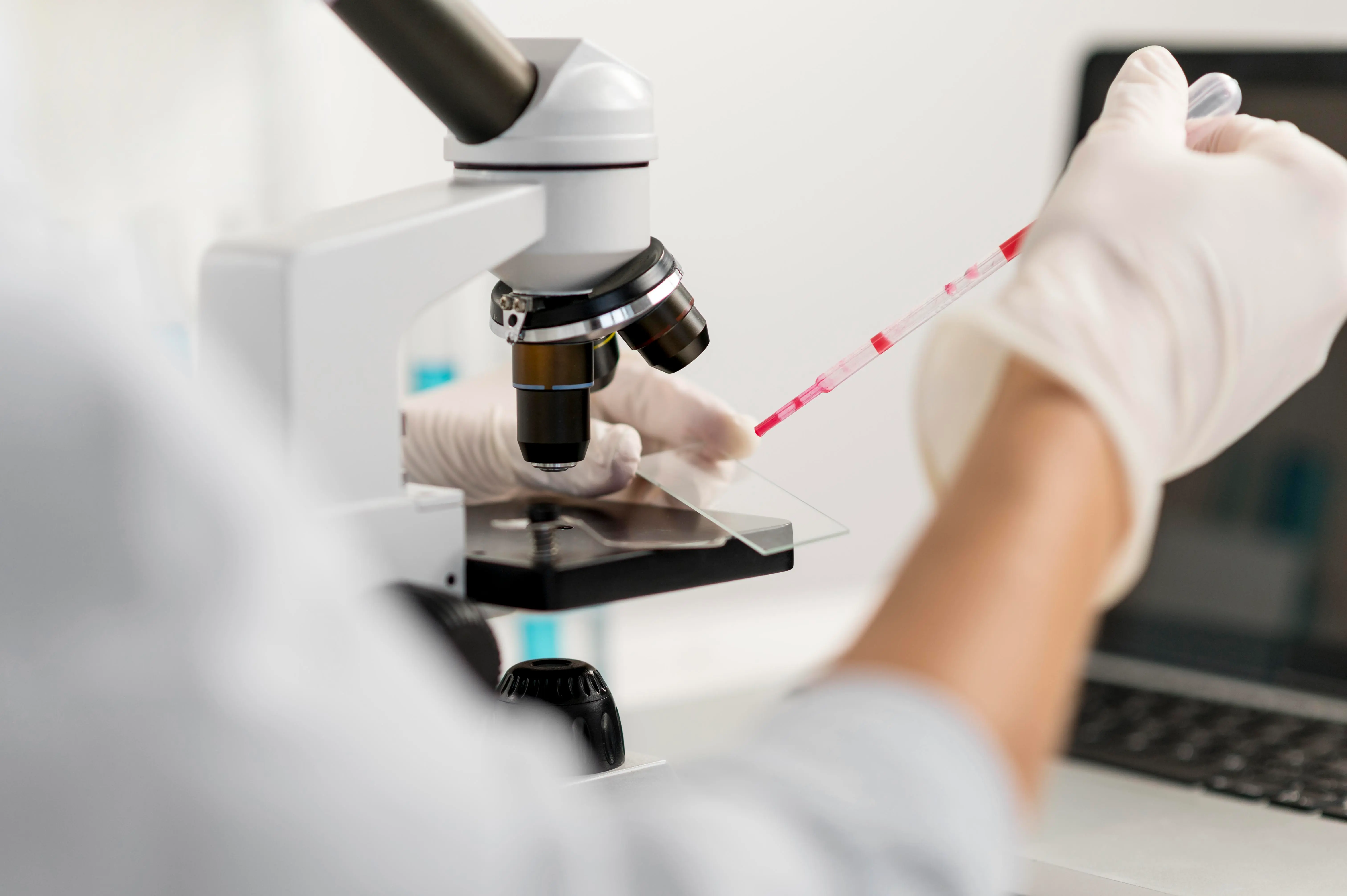
Is there an increased risk of developing breast cancer? Why is it that you can't get pregnant? And: Is the unborn child healthy despite an abnormal ultrasound finding? Questions that patients face Dr. Laura von der Heyden come to. The doctor, geneticist, and managing director of the human genetics institute "genetikum" talks in the current episode of FEEL GOOD, LIVE BETTER about when and for whom genetic tests make sense, how the results are to be interpreted, and what role they play for the medicine of the future.
The podcast from Premium Medical Circle
PMC managing director Stephanie Neureuter also spoke with the psychiatrist Prof. Dr. Andreas Menke on ADHD, with the specialist in psychiatry and psychotherapy Dr. Richard Musil on trauma coping, she met cancer researcher Dr. Hanna Heikenwälder, the specialist in colon cancer surgeries Prof. Dr. Franz Bader as well as the specialist in internal medicine and longevity expert Dr. Andrea Gartenbach.
Feel good, live better
In the health podcast by Premium Medical Circle, Stephanie Neureuter talks with experts from various fields such as nutrition, mental health and women's health, psychosomatics, surgery, aesthetic medicine, or digital health.