Of course! Aesthetic facial treatments today
"Feel good, live better" – the health podcast by Premium Medical Circle. Prof. Dr. Thilo Schenck
Feel good, live better
Im Podcast „Feel good, live better“ spricht Stephanie Neureuter, Herausgeberin von Premium Quarterly, mit Mediziner:innen, Ernährungs- und Mental-Health-Expert:innen sowie weiteren spannenden Persönlichkeiten. Wie im Print-Magazin „Premium Quarterly“ geht es um Health und Wellbeing und darum, wie wir ein glückliches langes Leben führen können – persönlich, inspirierend, informativ. Immer mittwochs, bei Spotify, Google Podcasts, Deezer, Amazon Music und Audible.
Der Podcast von Premium Medical Circle
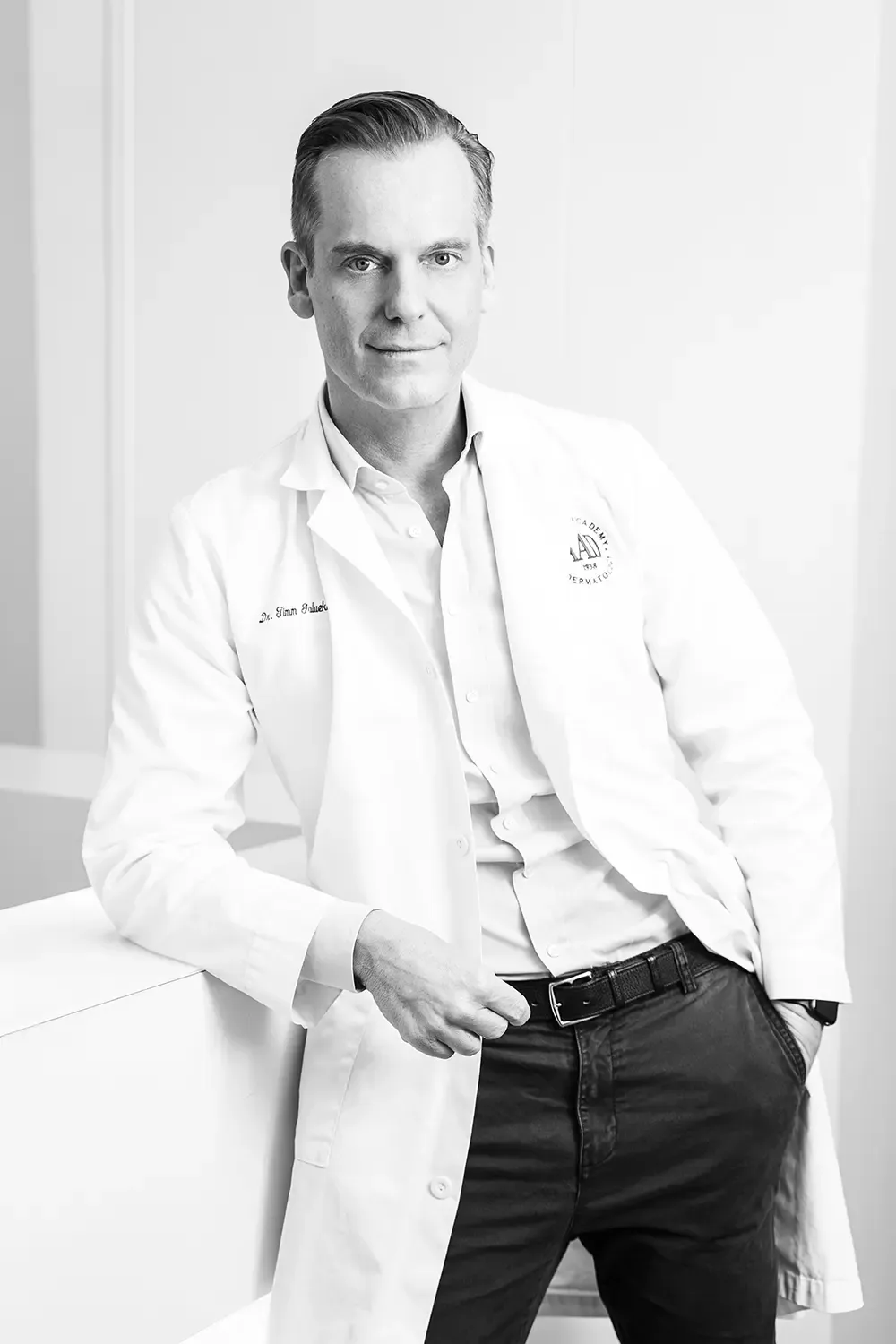
In der ersten Staffel trifft PQ-Herausgeberin Stephanie Neureuter unter anderem den Dermatologen Dr. Timm Golüke, den Orthopäden und Digital-Health-Experten Dr. Dominik Pförringer, den Sportzahnmediziner Dr. Siegfried Marquardtthe entrepreneur Stephanie Neumann and the plastic surgeon Dr. Caroline Kim.
Of course! Aesthetic facial treatments today. With Prof. Dr. Thilo Schenck
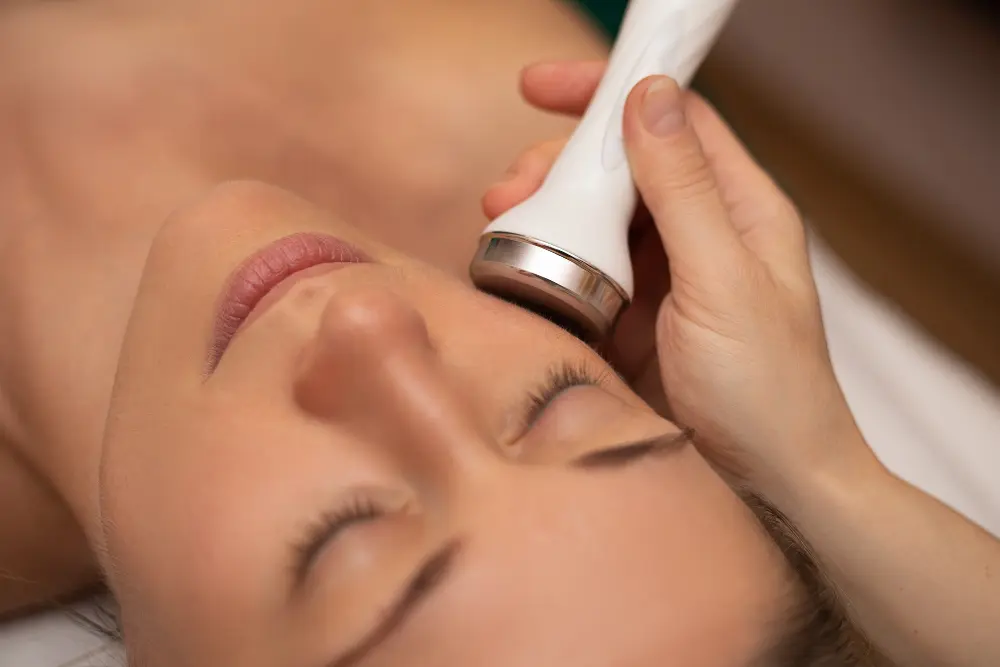
Today, it is much better understood how the face ages: quite differently than long thought! What these insights mean for his work as a plastic-aesthetic surgeon, Prof. Dr. Thilo Schenck explains in the current episode of FEEL GOOD, LIVE BETTER. Through a much more precise analysis, each treatment is exactly where it achieves the desired effect. In his Munich practice, there is no "one size fits all," but rather interventions tailored to individual needs, which are very natural in result.