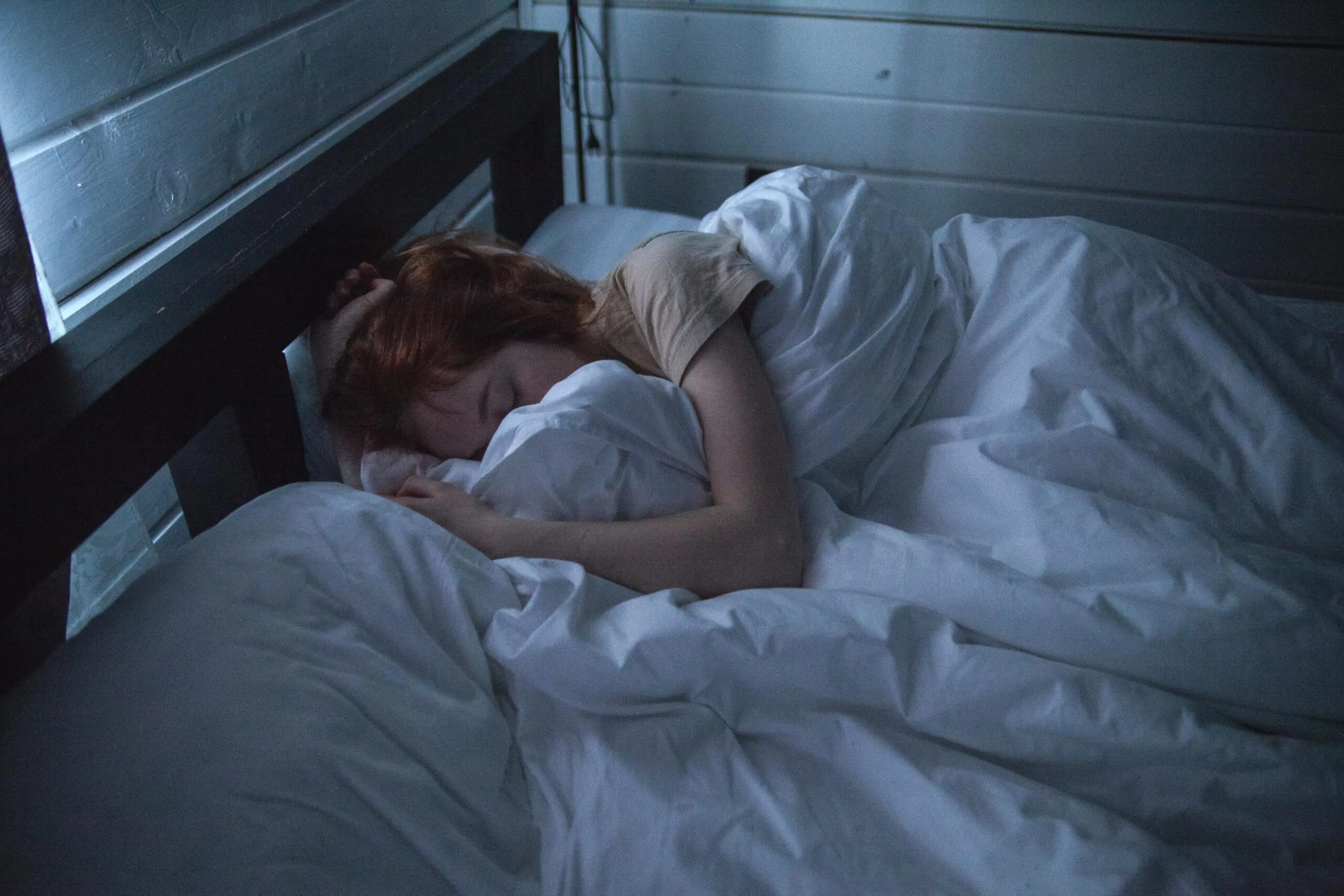
About 15 euros to 25 euros cost mouth tapes per month – that is cheaper than a visit to the beautician, a professional dental cleaning or even just a can of herbal tea from Mariage Frères as a sleep aid. Plasters over the mouth are supposed to eliminate numerous problems or ailments at once: snoring, respiratory diseases, flabby facial features and the feeling of lack of energy.
What is mouth taping supposed to do?
The idea behind it: By taping the mouth shut, natural nasal breathing is promoted. The nose filters, moistens and temperature controls the inhaled air optimally - and according to the claims of the plaster manufacturers, optimizes and maximizes the oxygen uptake in the body and ensures more well-being.
Read here: Those who breathe through their noses become less sick
Furthermore, the mouth plasters, also known as sleep strips, Hostage Tapes or Breathy Silencer, are supposed to keep the muscles in place. Nonsense, says Professor Wolfram Windisch , president of the German Society for Pneumology and Respiratory Medicine (DGP). "Optimized oxygen uptake may be relevant in top-level sports, but not during sleep."
What studies are there on Mouth Taping?
The body of research on Mouth Taping? As thin as a single cilium in the nose. There are no studies on the beauty effect, a work by the American Academy of Sleep Medicine AASM from 2023 with 2500 participants on viral sleep trends only shows that 250 people tried Mouth Taping. An effect? Not documented.
A Taiwanese study from 2022 did show that sleep apnea and snoring would be reduced by the adhesive strips over the mouth, but the result is not statistically significant with only 30 participants. Here the pulmonologist from Cologne even warns: "Obstructive sleep apnea and the resulting breathing pauses and loud snoring are a sign that the airways are narrowed. This needs to be examined by conventional medicine and treated, if necessary, with mask therapy, mandibular advancement devices, or surgeries. A plaster would even be dangerous in this case because it impairs airflow."
In these not so rare cases – studies suggest that 963 million people worldwide suffer from it – those affected feel not only tired and unsteady after a fragmented night of sleep with breathing pauses, but they also tend to be overweight, have high blood pressure, and are at a higher risk for strokes.