How to protect yourself from skin cancer
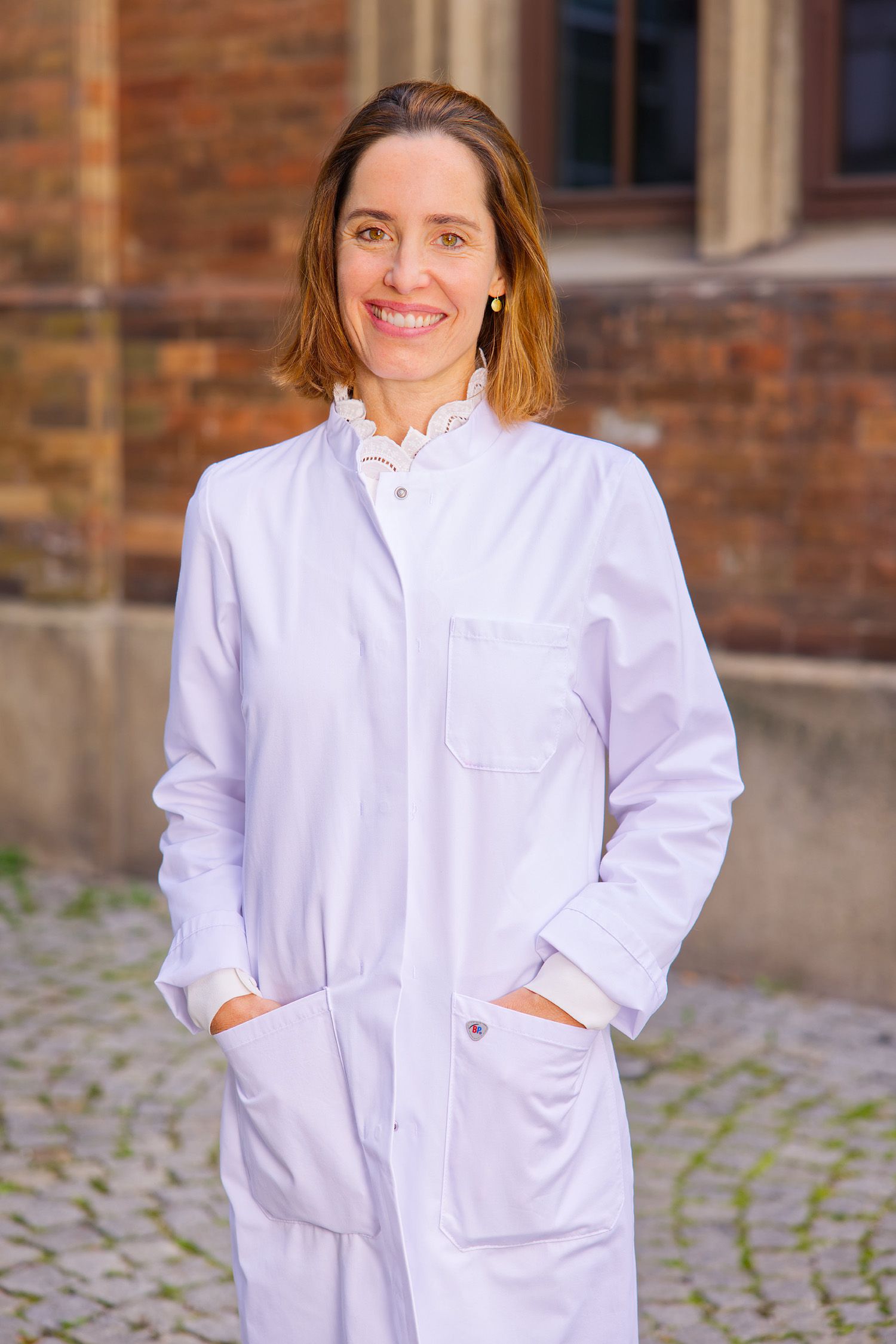
"Feel good, live better" – the health podcast by Medical Circle. In this episode, Dr. Christine Zimpfer and Dr. Anette Zimpfer-Keese will explain how to prevent skin cancer.
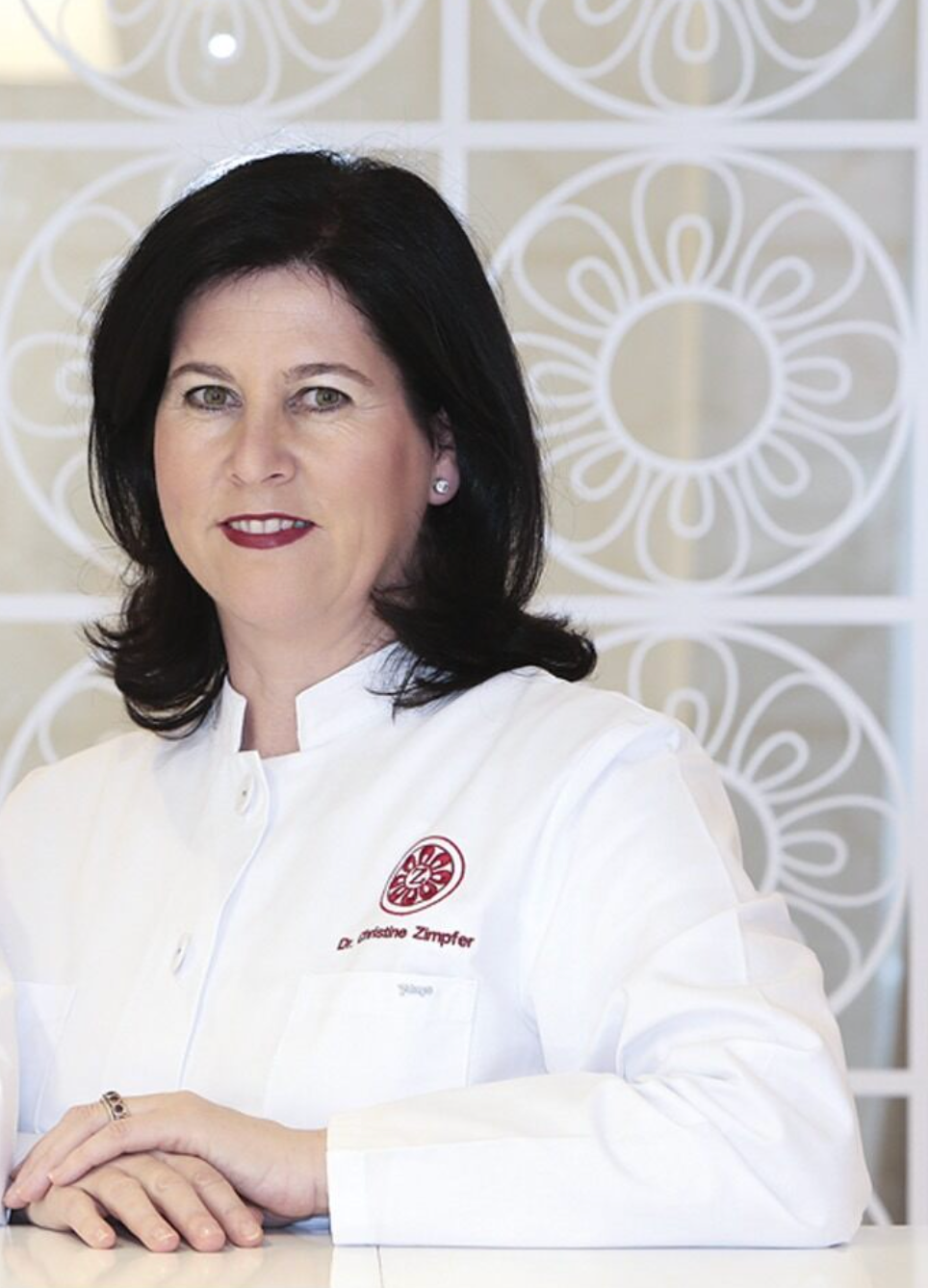
About 450,000 people are diagnosed with skin cancer in Germany every year, and the number is rising. The latest episode of FEEL GOOD, LIVE BETTER with Dr. Christine Zimpfer and Dr. Anette Zimpfer-Keese. The two dermatologists specialize in dermato-oncology at their Mannheim medical center and also discuss why regular check-ups are so important, how to provide the body with enough vitamin D without damaging the skin from the sun, and the latest findings in sun protection.
The podcast from Premium Medical Circle
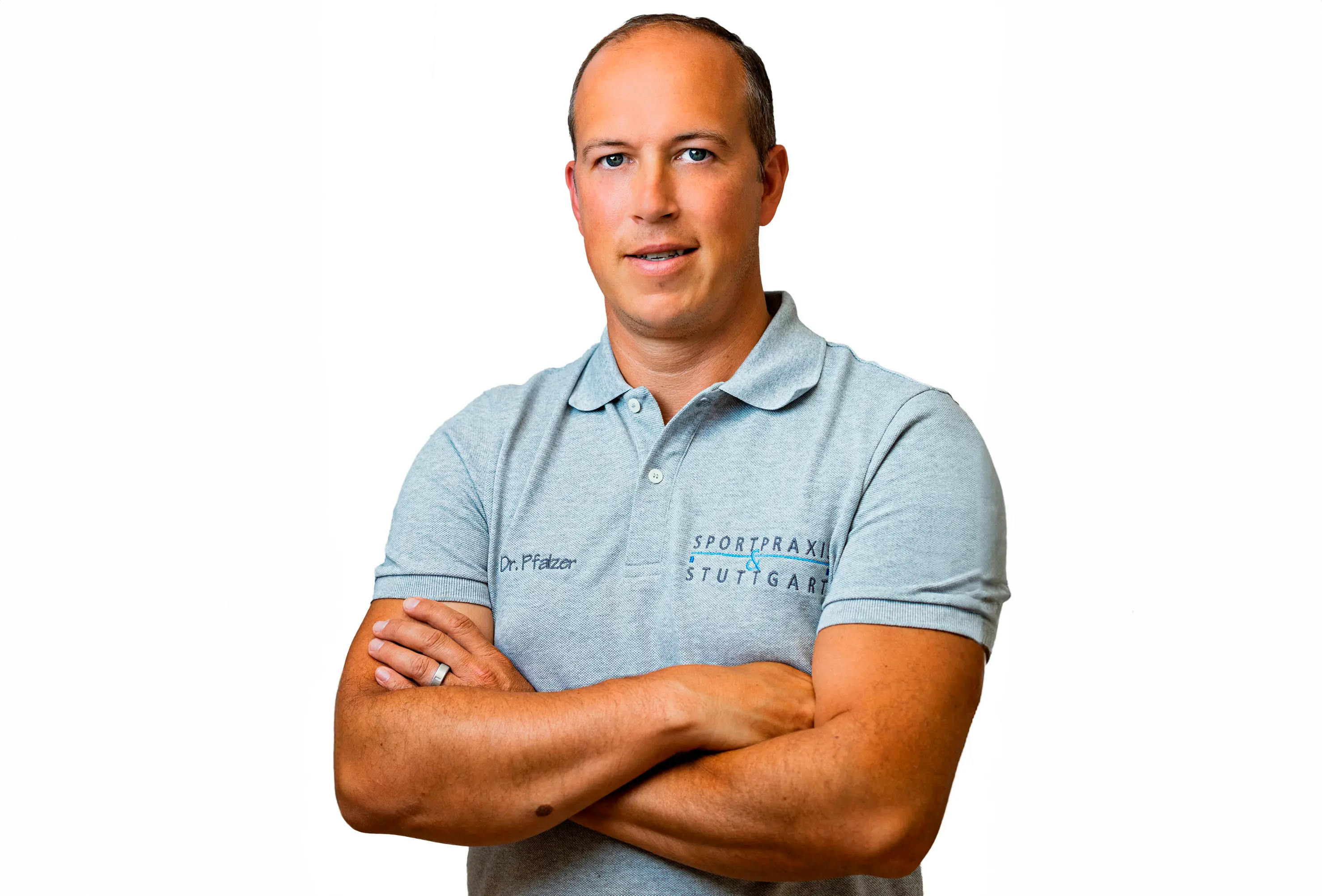
PQ publisher Stephanie Neureuter talked in previous episodes among others with the orthopedic and digital health expert Dr. Dominik Pförringer, dem Sportzahnmediziner Dr. Siegfried Marquardt, der Unternehmerin Stephanie Neumann sowie der Plastische Chirurgin Dr. Caroline Kim.
Feel good, live better
In the podcast “Feel good, live better,” Stephanie Neureuter, editor of Premium Quarterly, talks to medical professionals, nutrition and mental health experts, and other exciting personalities. Like the print magazine “Premium Quarterly,” it’s about health and wellbeing and how we can lead a happy, long life – personal, inspiring, informative. Every Wednesday on Spotify, Google Podcasts, Deezer, Amazon Music, and Audible.