© PMC
Services
We Don't Want to See You Again
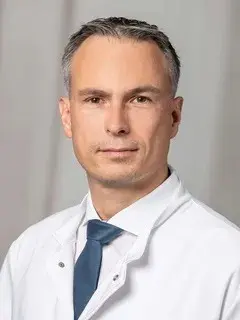
It sounds harsh at first. In fact, for Prof. Dr. Sandro Krieg, medical director of the Neurosurgical Clinic at Heidelberg University Hospital, there is a clear goal behind this striking statement: tertiary prevention. Upon discharge, his patients receive guidance on what they can do themselves to ensure the long-term success of a procedure — an unconventional approach "designed to prevent them from experiencing the same problem again," he says with a wink. Everything else is taken care of by him and his team, every day, at the highest level. Optimization is his driving force — and in the best sense of the word.
After military service in Berchtesgaden, he studied in Munich. Study stays in Boston, London, San Diego, and San Francisco gave him what he calls a "bigger picture" — one that extends far beyond neurosurgery, something he still benefits from today, not least through a strong professional network. He also completed a degree in business. In 2022, at just 40 years old, he accepted the call to Heidelberg, and in 2023 took over one of the largest and most prestigious neurosurgical chairs in Germany.
Despite his responsibilities as clinic director, he is in the operating room almost every day, performing around 600 procedures himself per year. At the same time, he trains the next generation of neurosurgeons, because excellence in medicine must not depend on the skills of a single individual. "If there are things that only I can do, I want more people to be able to do them in the future."
© PMC
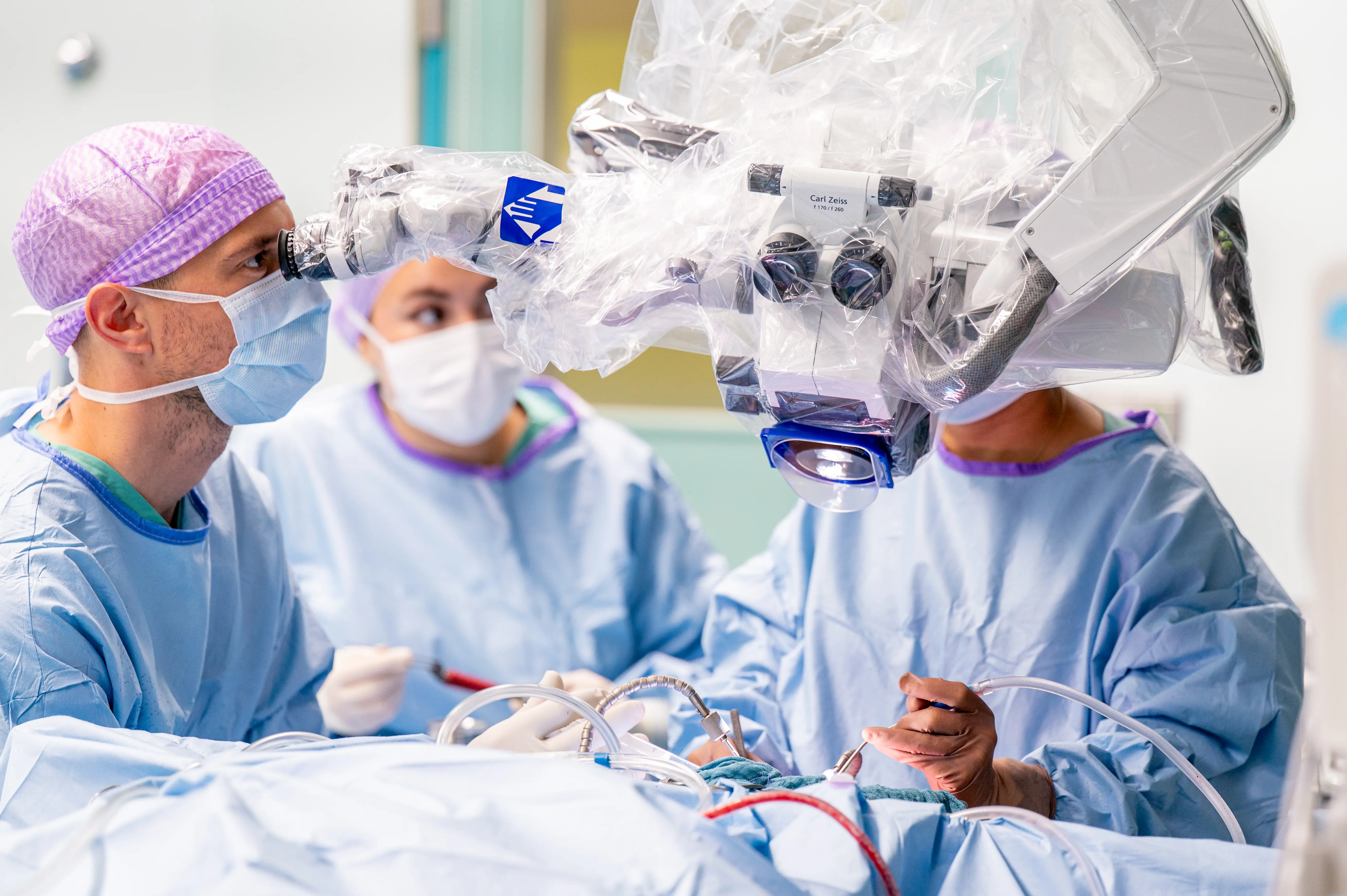
Microsurgical precision in vascular neurosurgery for the treatment of cerebrovascular diseases
© PMC
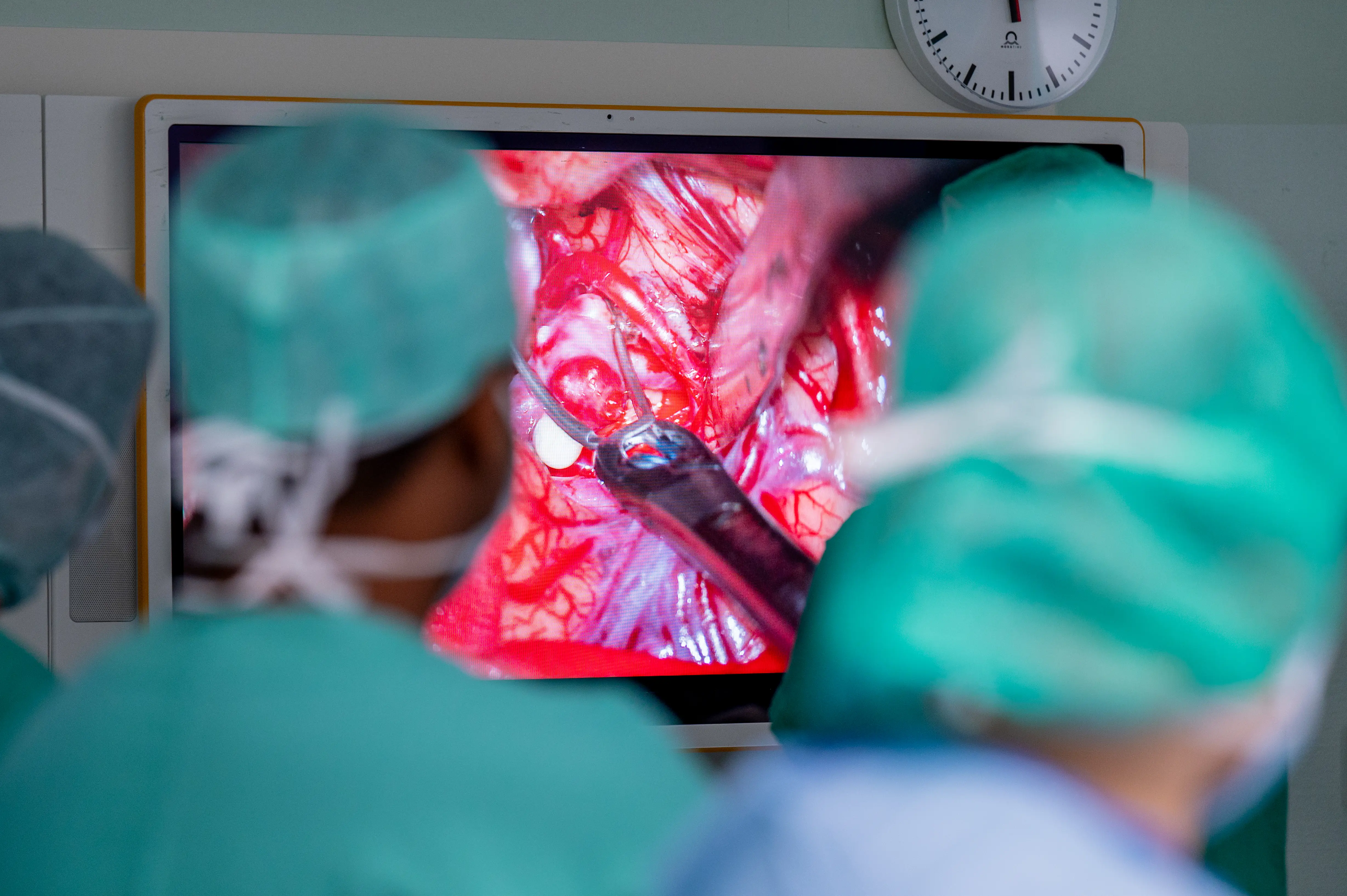
Modern intraoperative imaging supports precise neurosurgical treatment of complex vascular conditions
.webp)
© PMC
Highly precise microsurgical techniques enable targeted treatment of complex neurosurgical conditions
© PMC
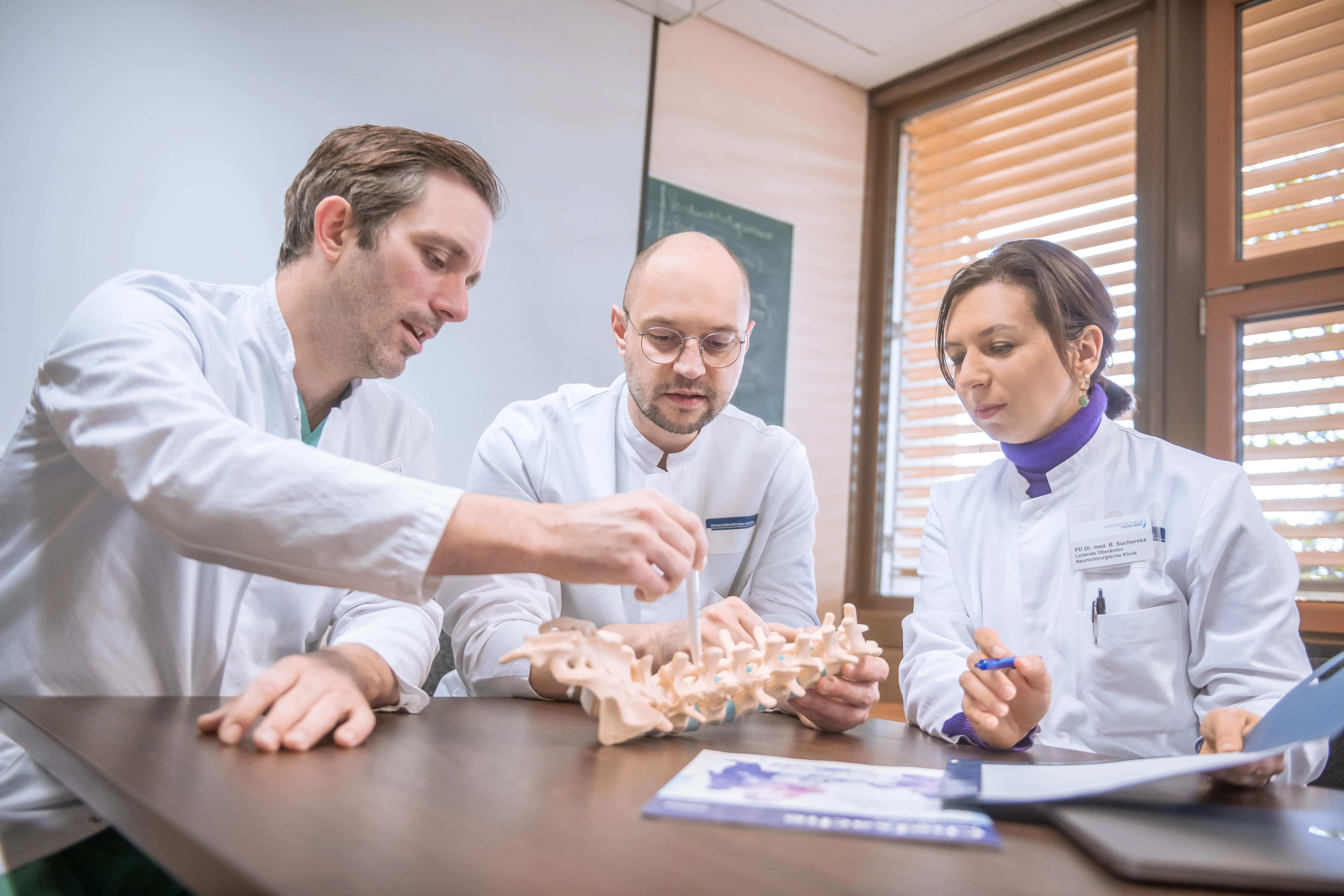
Interdisciplinary planning of complex spinal procedures as part of modern neurosurgery
© PMC
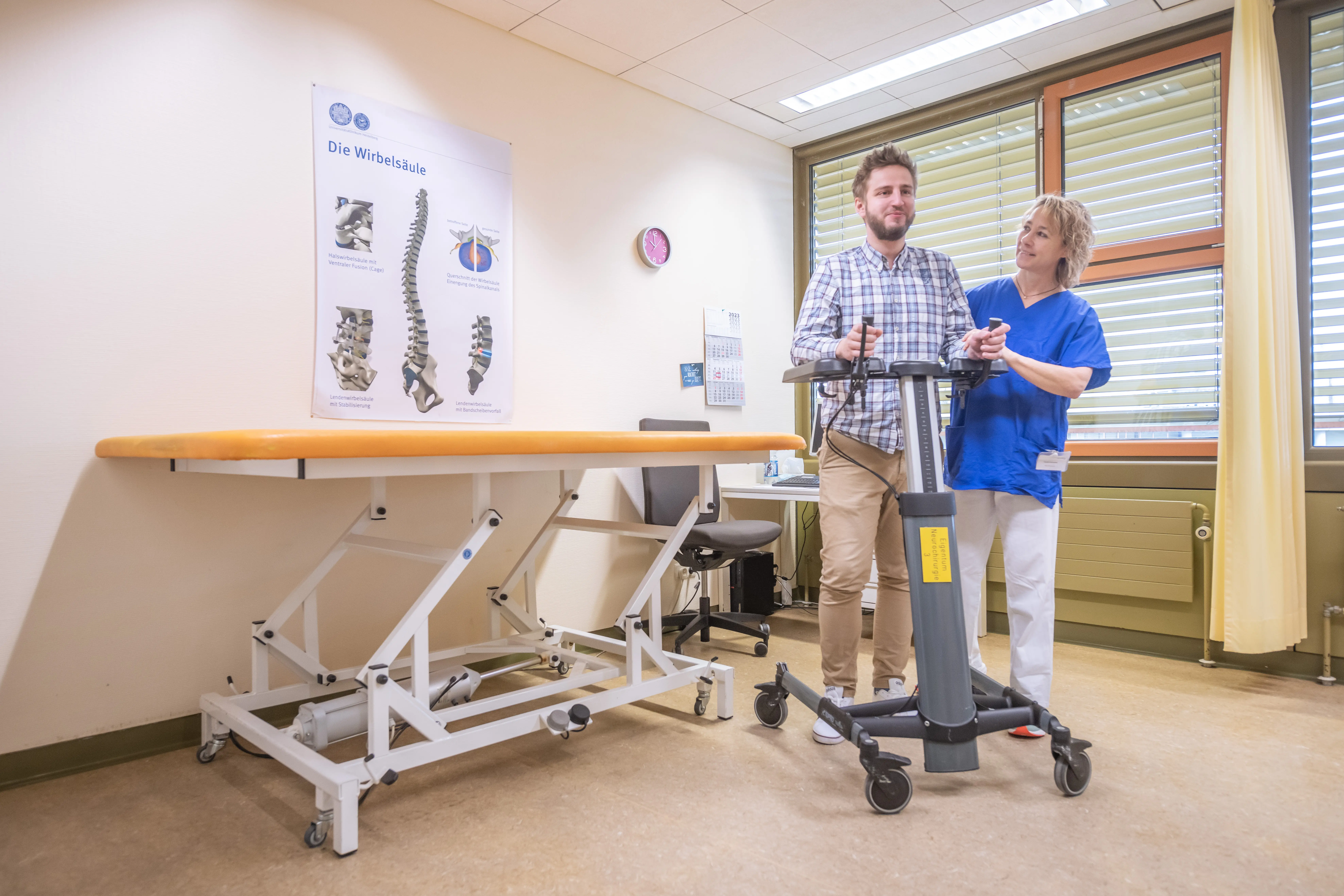
Individualized care and targeted rehabilitation to support recovery after neurosurgical procedures
© PMC
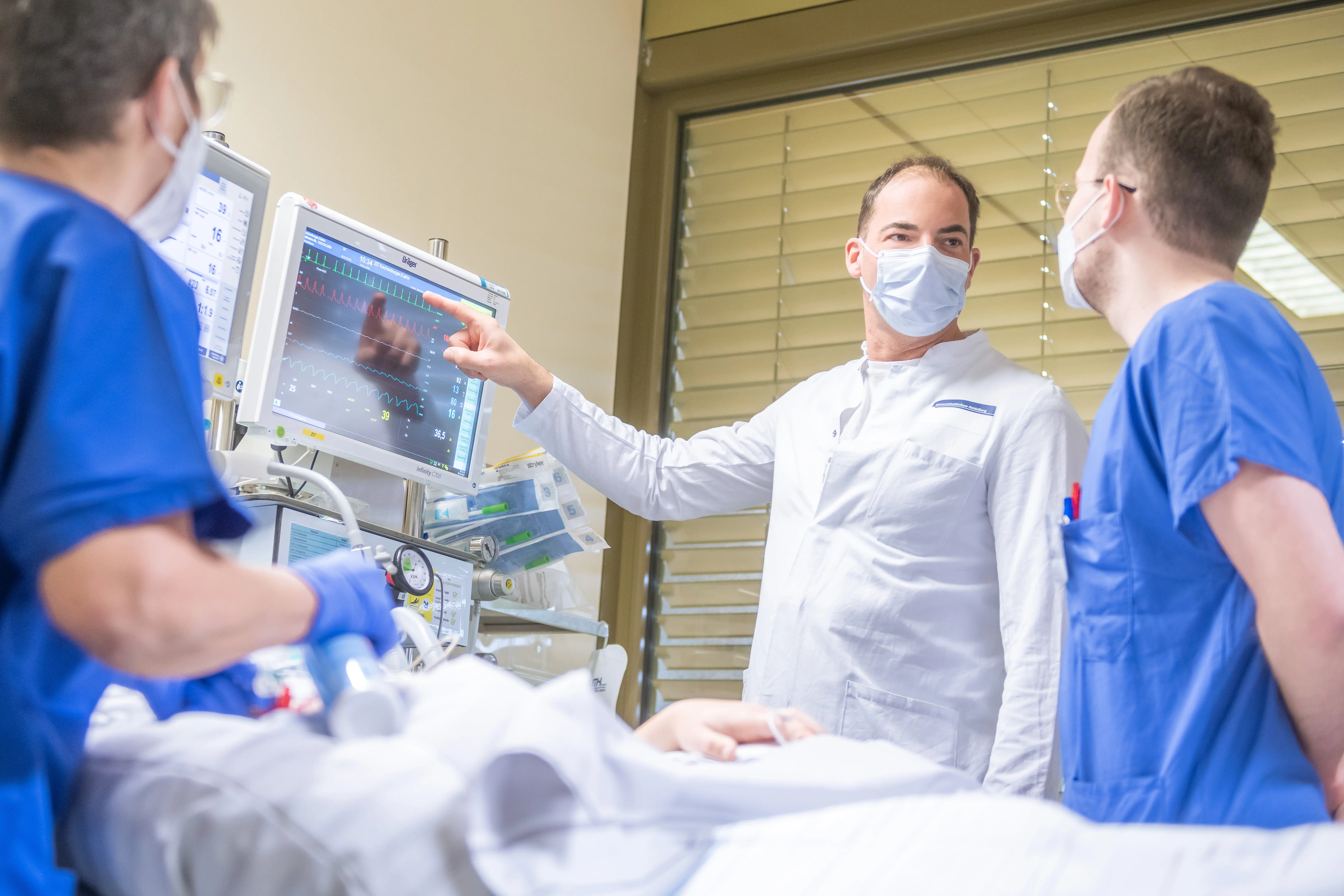
Close monitoring and interdisciplinary collaboration in modern neurosurgical care
© PMC
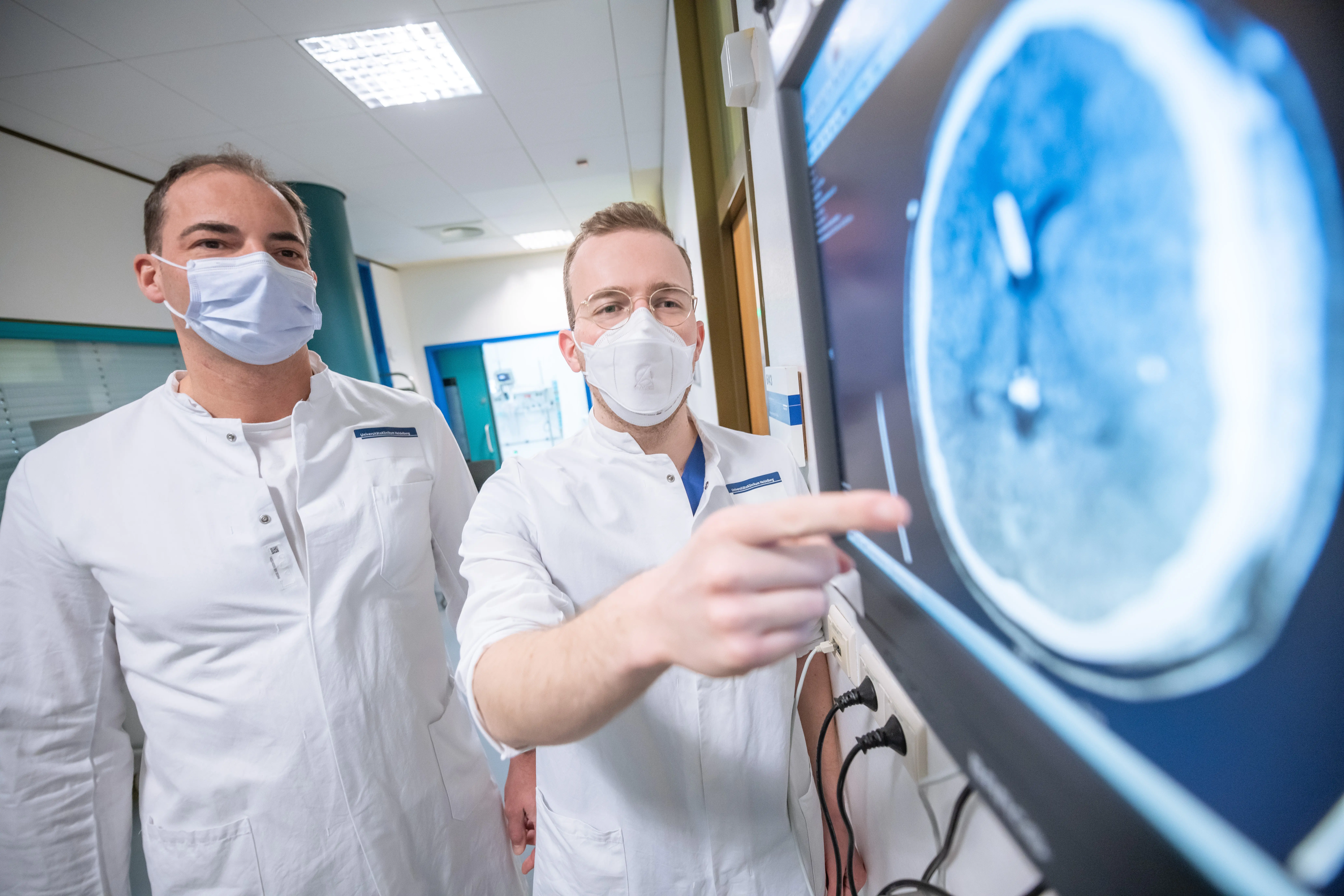
Precise imaging as the foundation for individualized planning of complex neurosurgical procedures
© PMC
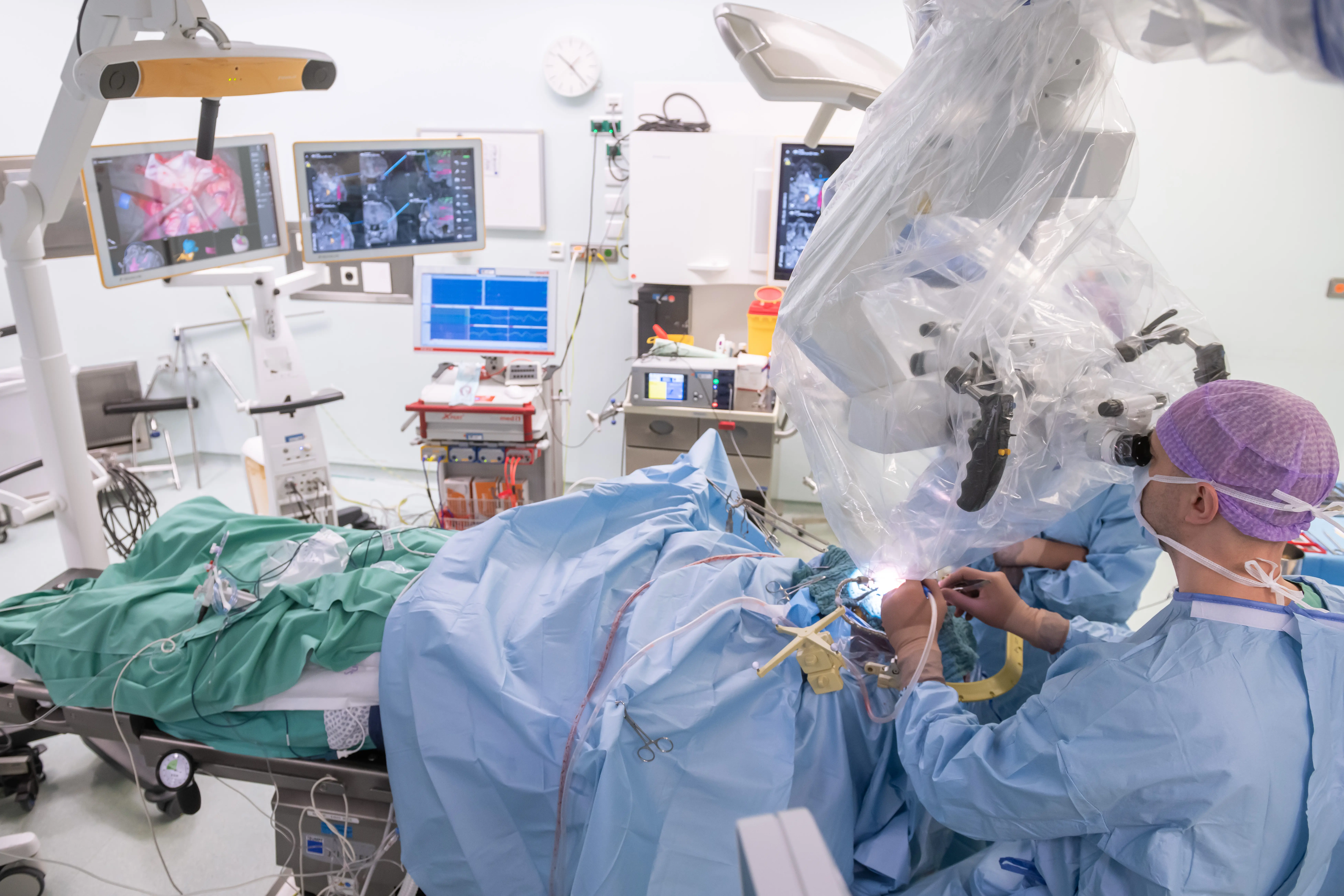
Modern microsurgical techniques enable highly precise interventions under optimal visual control
© PMC
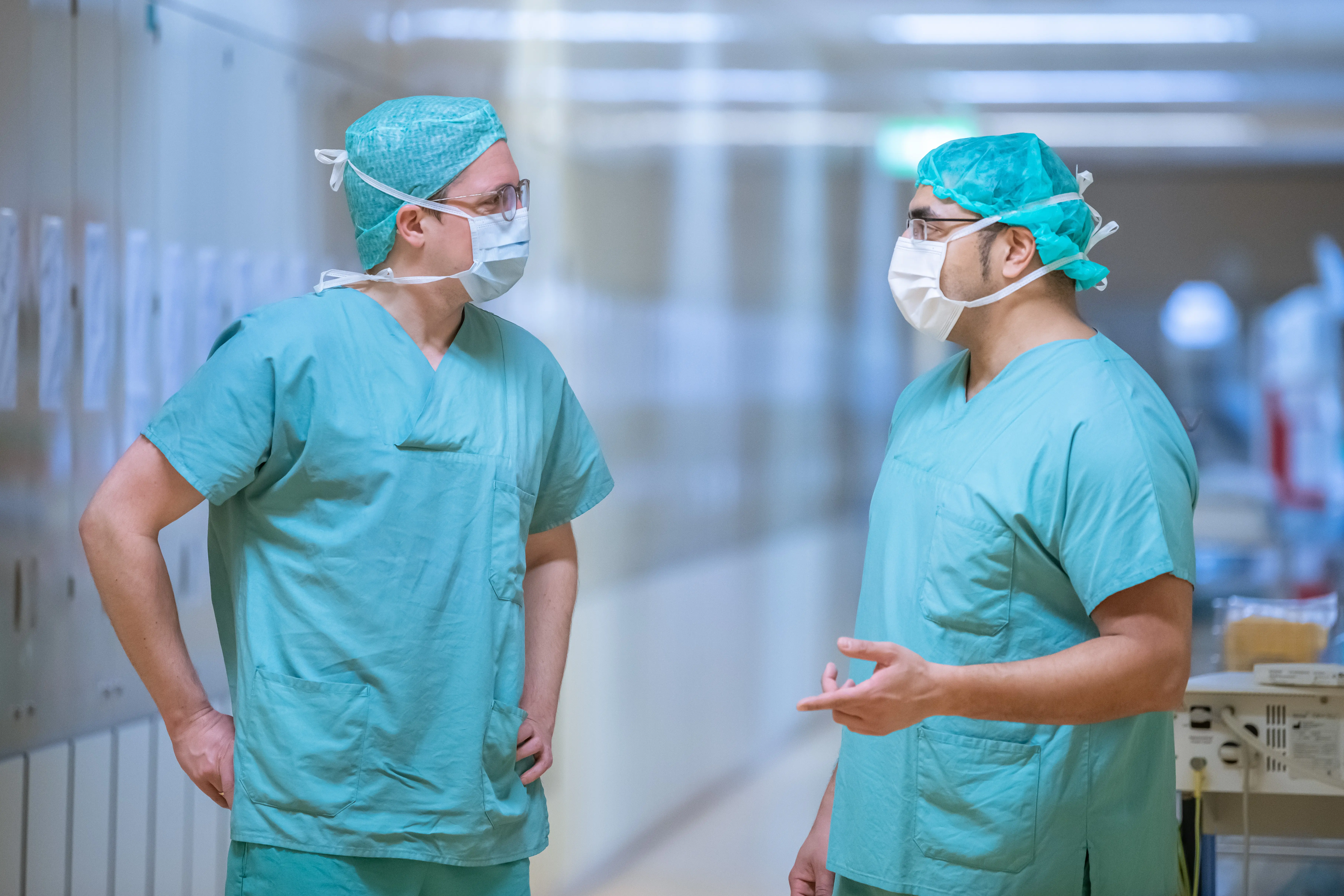
Experience, specialization, and interdisciplinary exchange in modern neurosurgical care
"Every patient should receive the therapy they need — not the one the center is capable of providing."
Prof. Dr. med. Sandro M. Krieg
Krieg has built a particular reputation for treating exceptionally difficult brain tumors. Tumors in close proximity to language or motor centers, complex skull base findings, and extensive revision surgeries of the spine are among the procedures that bring patients of all age groups to Heidelberg — from across Germany and from abroad. For Krieg, the goal is not simply to remove as much tumor tissue as possible. What matters is what the patient is able to do after the operation. "We don't just want to extend life. It also has to be worth living." This principle runs like a thread through all of his work. Every neurosurgical decision involves an inherent tension: on one hand, a tumor should be removed as completely as possible; on the other, language, movement, and other vital brain functions must be preserved. New techniques help navigate this challenge, providing information about the biological nature of a tumor even during surgery — including confocal laser endomicroscopy and Raman spectroscopy. Artificial intelligence supports better risk assessment and prediction of postoperative outcomes. The goal is always the same: making decisions more precise and more individualized.
For spinal procedures as well, Krieg consistently thinks in terms of outcomes. "We always operate only as invasively as necessary." Wherever possible, muscle-sparing techniques are used. This shortens recovery, reduces pain, and helps older patients in particular regain mobility more quickly. A patient going home the day after spinal surgery is no longer an exception today. For Krieg, this is not a sign of time pressure, but of medicine rethought from the ground up — and the results bear him out: "People simply do better." He finds it consistently impressive how quickly spinal surgery patients recover after minimally invasive procedures, and how well even very elderly, multimorbid patients can now be treated. For this group especially, a swift return to everyday life is essential.
"We don't just want to extend life. It also has to be worth living."
Prof. Dr. med. Sandro M. Krieg
For Krieg, this consistent focus on treatment outcomes does not end at hospital discharge. Together with his team, Heidelberg Neurosurgery systematically examines how patients actually experience their quality of life after a procedure. These so-called PROMs (Patient-Reported Outcome Measures) capture not laboratory values or X-ray images, but what matters most to those affected: their subjectively perceived state of health. How burdensome is the operation? When does a return to everyday life become possible? Which procedures are less taxing in the long term? Such questions are increasingly central to research and contribute to a more patient-centered approach to healthcare. And not, as many studies prescribe, after three months — but already in the first days and weeks. Because for Prof. Krieg, biological survival alone is not enough. What matters is how well life succeeds afterward. In this, he approaches neurosurgery from a fundamentally interdisciplinary perspective. Whether surgery, radiation, or initial observation — the best therapy emerges from the interplay of different specialties. Tumor boards, joint consultations, and short pathways between neurosurgery, radiation oncology, neuro-oncology, and neuropathology are therefore core to the concept. "Every patient should receive the therapy they need — not the one the center can offer." The center must be able to cover all meaningful therapies; for him, that is another reason to be in Heidelberg.
And there it is again — optimization. It continues to run like a thread through everything he does, beyond the operating room as well. International collaborations and scientific studies are part of this. He is particularly passionate about fostering the next generation of medical professionals, including within his own team. How to balance family planning with a surgical career is the focus of a new seminar series he has launched. Young physicians should be able to develop without having to choose between career and family. Flexible working hours, research leave, and open conversations are measures he already consistently implements in his department. Krieg knows that outstanding medicine only flourishes where people genuinely enjoy their work. "I don't want the physicians who would be exactly right for this field to rule it out for the wrong reasons."
"If there are things that only I can do, then I want more people to be able to do them in the future."
Prof. Dr. med. Sandro M. Krieg
He applies his commitment to optimization in his private life as well. He makes sure to get enough sleep, exercises regularly, and consciously avoids alcohol — even if it means occasionally skipping social engagements. Simply because it makes him more effective. "The field is just part of my life," he says. His family and friends know it. Because his conviction is: "Every patient always deserves me at my best."