© Unsplash/Faruk Tokluoglu
September 15, 2026
Marianne Waldenfels
Pale skin, dark circles, dry lips: on social media, these changes are being dubbed “Ferritin Face.” The supposed culprit is iron deficiency. But can low ferritin really show up in your face — and which signs should you actually pay attention to?
Dark circles despite getting enough sleep, suddenly pale skin, or recurring cracked corners of the mouth: social media has a new explanation for all of this — "Ferritin Face." Apparently, iron deficiency can be spotted in the face even before those affected realize their iron stores are running low.
"Ferritin Face" is not a medical term or a recognized diagnosis. That said, the idea behind it isn't entirely wrong. Iron deficiency can indeed manifest in the skin, hair, or nails. But there's another aspect worth noting beyond what you see in the mirror: iron deficiency can already be present even when no anemia has developed and hemoglobin levels are normal.
Ferritin is a protein that stores iron and is one of the most important lab values for assessing the body's iron reserves. A value below 30 µg/l is commonly used as an indicator of iron deficiency. Interpretation isn't entirely straightforward, however: ferritin can be elevated during inflammation. The World Health Organization (WHO) therefore notes that inflammation must be taken into account when evaluating the value.
Iron deficiency and iron deficiency anemia are also not the same thing. First, the body's iron stores become depleted; only later can hemoglobin production be impaired, resulting in anemia. A normal hemoglobin level therefore does not rule out iron deficiency. A review on iron deficiency without anemia even suggests that this form may be more common than classic iron deficiency anemia. For diagnosis, additional values such as transferrin saturation may therefore be relevant alongside ferritin.
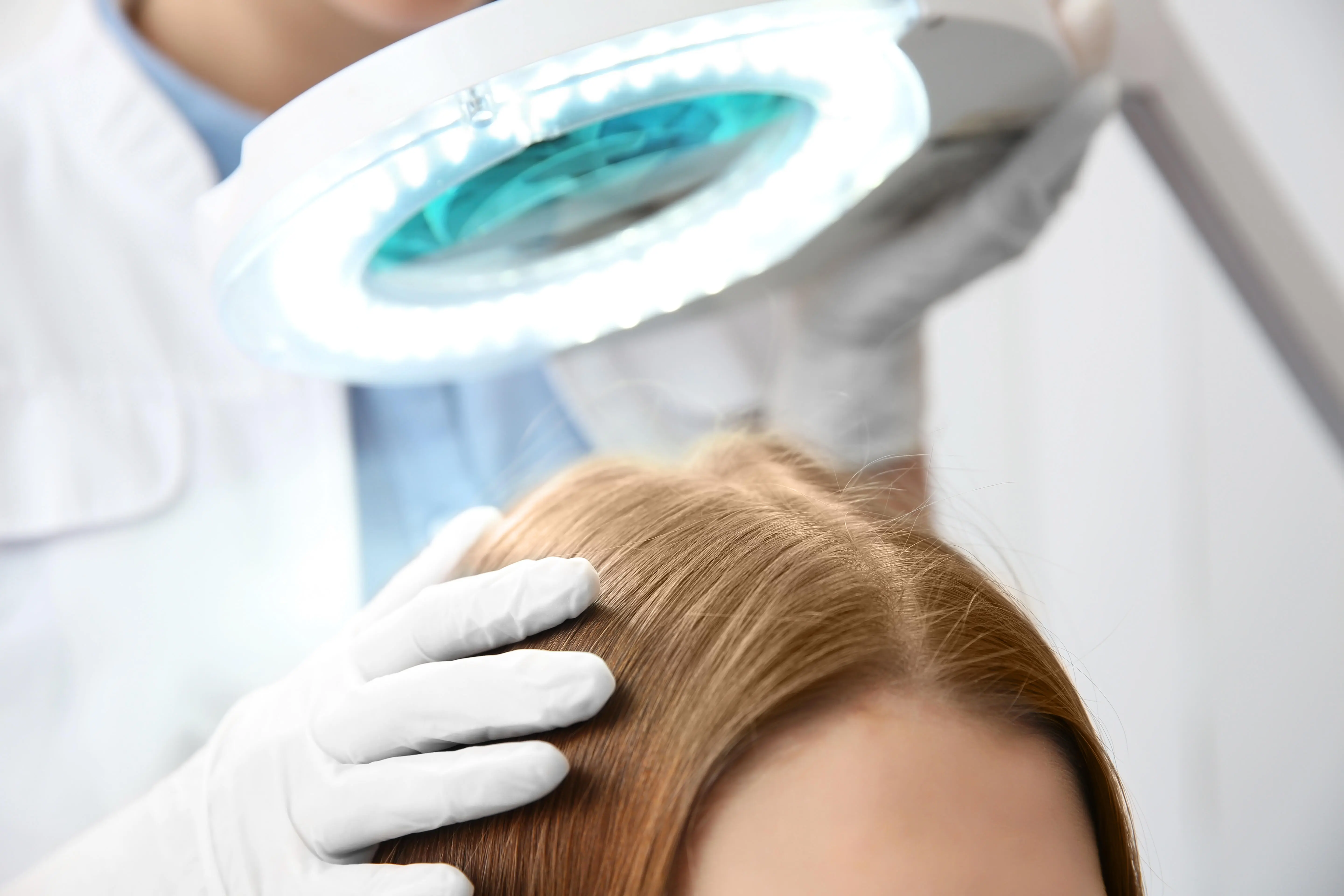
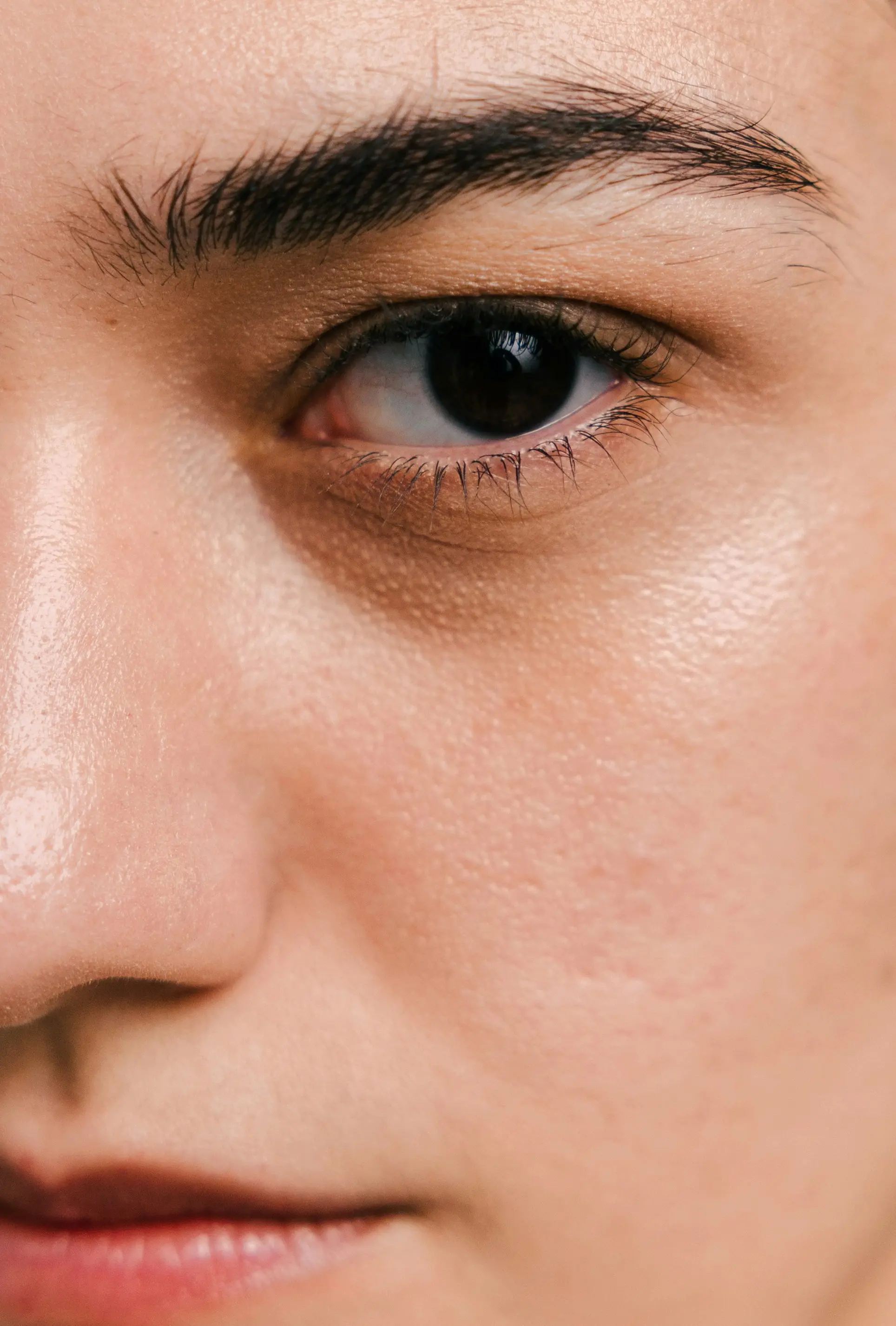
Some changes are indeed medically recognized. Pallor in particular can be noticeable, especially once anemia has developed. Dry skin and cracked corners of the mouth can also occur with iron deficiency. Hair may shed more heavily, and nails may become brittle.
These changes are far from clear-cut, however. Dark circles can, for example, be more pronounced due to genetics, thin skin, lack of sleep, or other factors, while dry skin and hair loss have numerous possible causes. Noticing these signs in the mirror may be reason enough to look more closely — but it doesn't provide a diagnosis.
Iron deficiency often doesn't show up in the face first. More typical symptoms are fatigue and reduced physical stamina; shortness of breath, headaches, or restless legs can also occur. A relatively characteristic sign is so-called pagophagia: an unusually strong urge to chew ice.
Many of these symptoms are nonspecific and develop gradually, which means iron deficiency can go unnoticed for quite some time.
Anyone who recognizes several of these possible signs in themselves should not start taking iron supplements based on a social media video. A blood test is what brings clarity, as it can assess not only the blood count but also, crucially, iron stores.
If iron deficiency is confirmed, the next question is what's causing it. People with heavy menstrual bleeding or increased iron requirements — such as during pregnancy — are among those most commonly affected. Anyone following a vegetarian or vegan diet should also keep a close eye on their iron intake.
A systematic review and meta-analysis including 30 studies found that adult vegetarians had, on average, lower ferritin levels than non-vegetarians. However, this does not mean that a vegetarian or vegan diet automatically leads to iron deficiency.
Other sources of blood loss or gastrointestinal conditions that impair iron absorption can also be behind a deficiency. This is why addressing the issue isn't just about replenishing iron stores — it's also about finding out why they became depleted in the first place.
"Ferritin Face" is ultimately a catchy social media term for something that shows up in the face far less clearly than the trend suggests. Pale skin, dark circles, or cracked corners of the mouth can be clues — but whether iron is actually lacking can only be determined by the right blood test.

Collagen is frequently recommended for joint pain – often with the promise that it can strengthen or even rebuild cartilage. A large scientific review now paints a more nuanced picture. Orthopedic surgeon PD Dr. Daniel Berthold explains who may benefit from collagen – and what these supplements cannot do.
Christine Bürg & Marianne Waldenfels

With
PD Dr. med. Daniel P. Berthold

Significant weight loss changes the body – and the skin can't always keep up. Plastic surgeon Dr. Alexander Heinrich explains when body contouring makes sense, why he sees function and aesthetics as inseparable – and why he sometimes advises against surgery.
Christine Bürg & Marianne Waldenfels

An interview with
Dr. Alexander de Heinrich