Acupuncture
"Feel good, live better" – the health podcast by Premium Medical Circle. In this episode, you will learn from Dr. Michael Reith what acupuncture offers compared to other healing methods.
Feel good, live better
Im Podcast „Feel good, live better“ spricht Stephanie Neureuter, Herausgeberin von Premium Quarterly, mit Mediziner:innen, Ernährungs- und Mental-Health-Expert:innen sowie weiteren spannenden Persönlichkeiten. Wie im Print-Magazin „Premium Quarterly“ geht es um Health und Wellbeing und darum, wie wir ein glückliches langes Leben führen können – persönlich, inspirierend, informativ. Immer mittwochs, bei Spotify, Google Podcasts, Deezer, Amazon Music und Audible.
Der Podcast von Premium Medical Circle
In der ersten Staffel trifft PQ-Herausgeberin Stephanie Neureuter unter anderem den Dermatologen Dr. Timm Golüke, den Orthopäden und Digital-Health-Experten Dr. Dominik Pförringer, den Sportzahnmediziner Dr. Siegfried Marquardt, die Unternehmerin Stephanie Neumann sowie die Plastische Chirurgin Dr. Caroline Kim.
Akupunktur. Ein Podcast mit Dr. Michael Reith
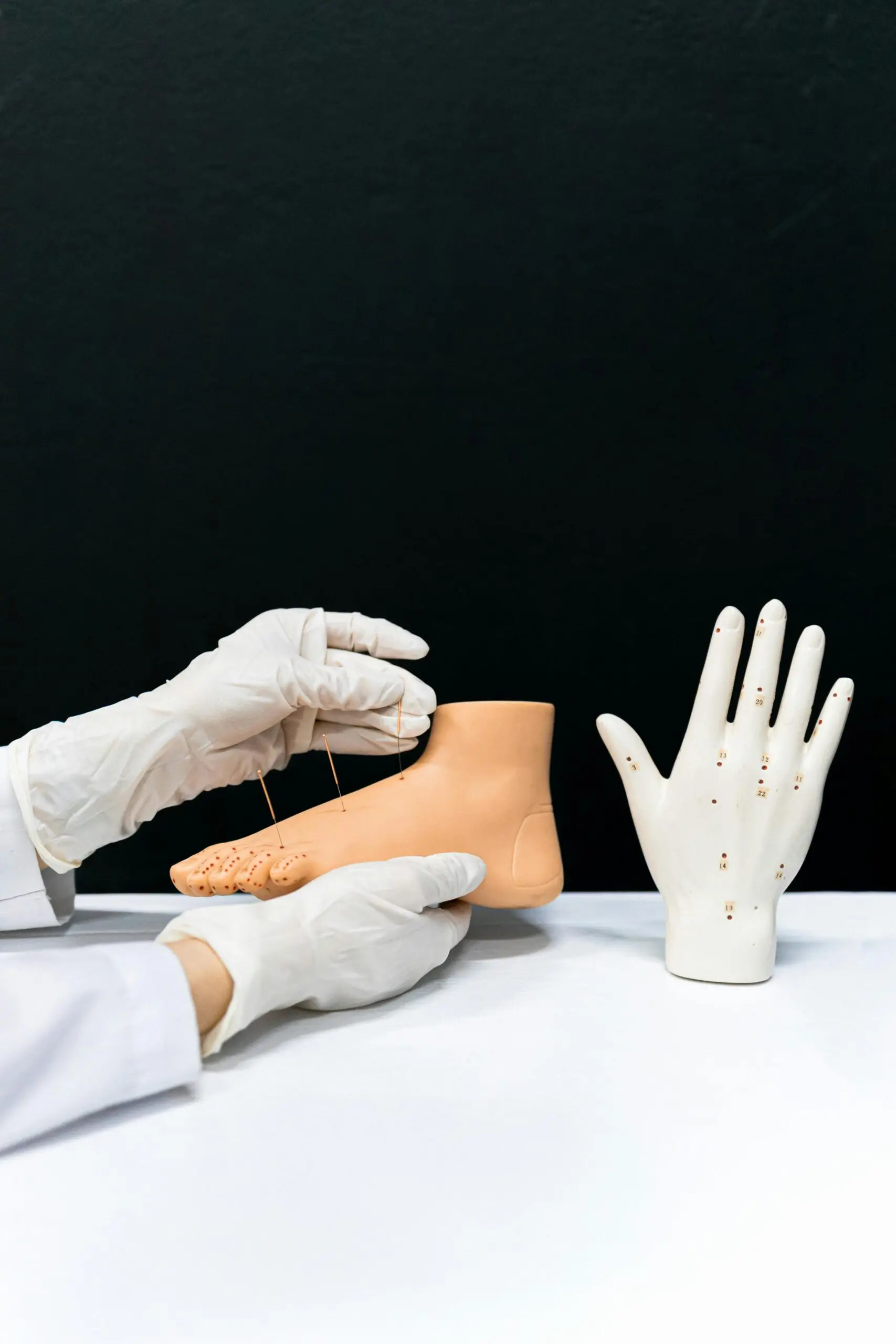
Was kann Akupunktur, was andere Heilmethoden nicht können? In der neuen Folge von FEEL GOOD, LIVE BETTER erklärt Dr. Michael Reithon how acupuncture works – it is a stimulus therapy that supports the body's self-healing powers – and with which diseases it helps particularly well.
For the Munich general practitioner and "master of acupuncture," the traditional Chinese healing method is a complementary medicine that, for example, minimizes the side effects of chemotherapy or radiation, helps with acute or chronic pain, and is increasingly used for mental illnesses such as depression.
Where its limits lie and why it is so important to go to a qualified acupuncturist – Dr. Reith also reveals this in the podcast.