© PMC
- Berlin
- Orthopedics & Musculoskeletal Longevity (MSK)
Dr. med. Ferzan Süzer
REGENERA-Institut für Orthopädische Innovation und Regeneration
Services
Medicine with attitude
Anyone who leaves their country completely alone at the age of 19 to study medicine in a foreign language has a precise plan and consciously chooses responsibility. Dr. Ferzan Süzer, a specialist in orthopedics and trauma surgery, made and dared exactly this step. Born in Malatya in eastern Turkey and raised in a family where medicine and pharmacy were part of everyday life, she was early influenced by scientific thinking, precision, diligence, and medical attitude. Nevertheless, her decision to study medicine was not a family imprint or even a matter of course, but an expression of her own inner motivation. 'I was interested in complex systems quite early on, meaning the interaction of biology, technology, and structure, as well as the immediate effectiveness of medical actions. And in my eyes, medicine combines exactly all these factors,' explains Dr. Ferzan Süzer.
"I became interested in complex systems quite early on. And in my eyes, medicine combines exactly all these factors."
Dr. med. Ferzan Süzer

© PMC
Personal consultation in a relaxed atmosphere – time, space, and full attention for your concerns.
© PMC
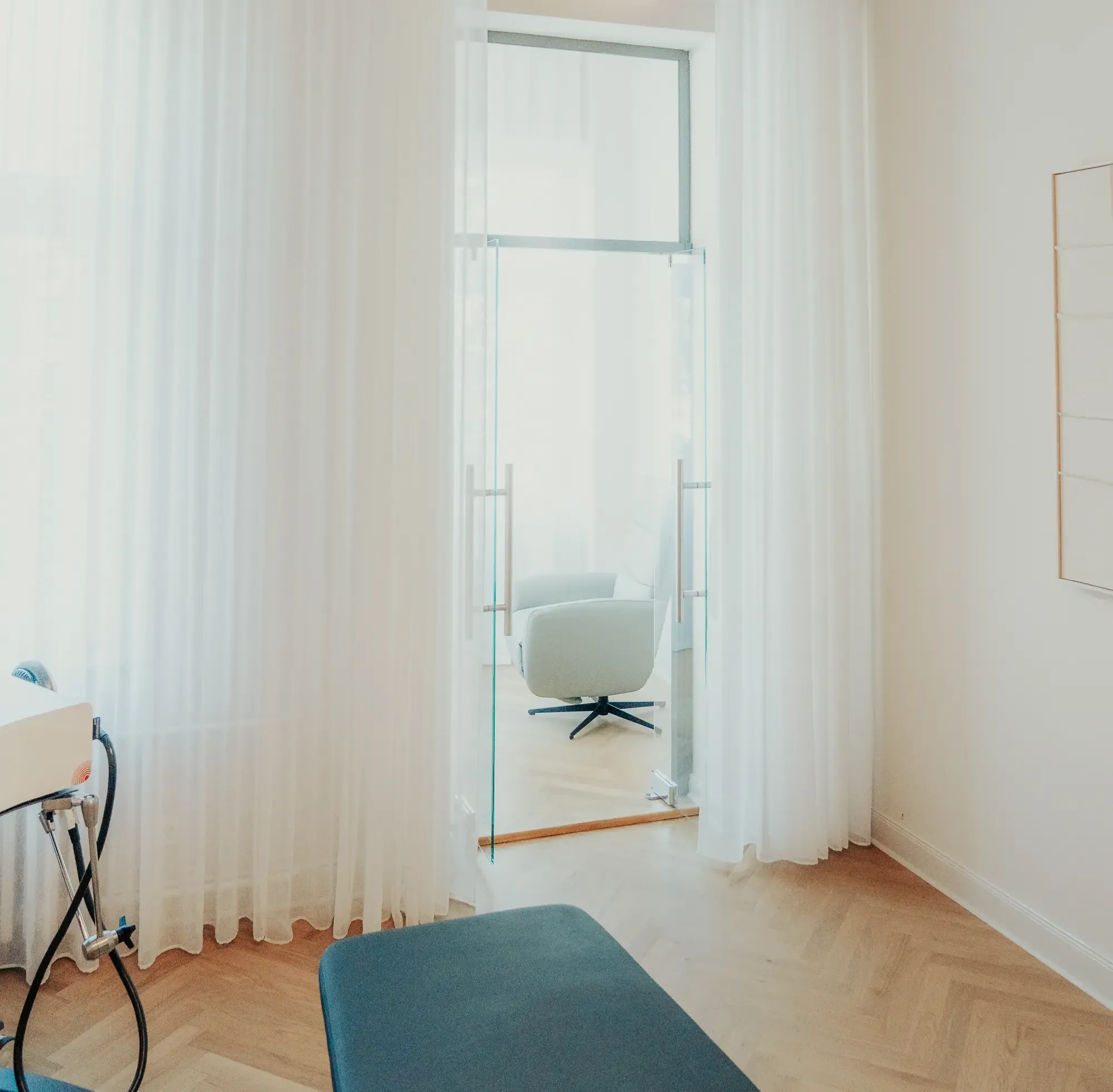
Discretion, light, and clarity – treatment rooms for the highest medical standards
© PMC
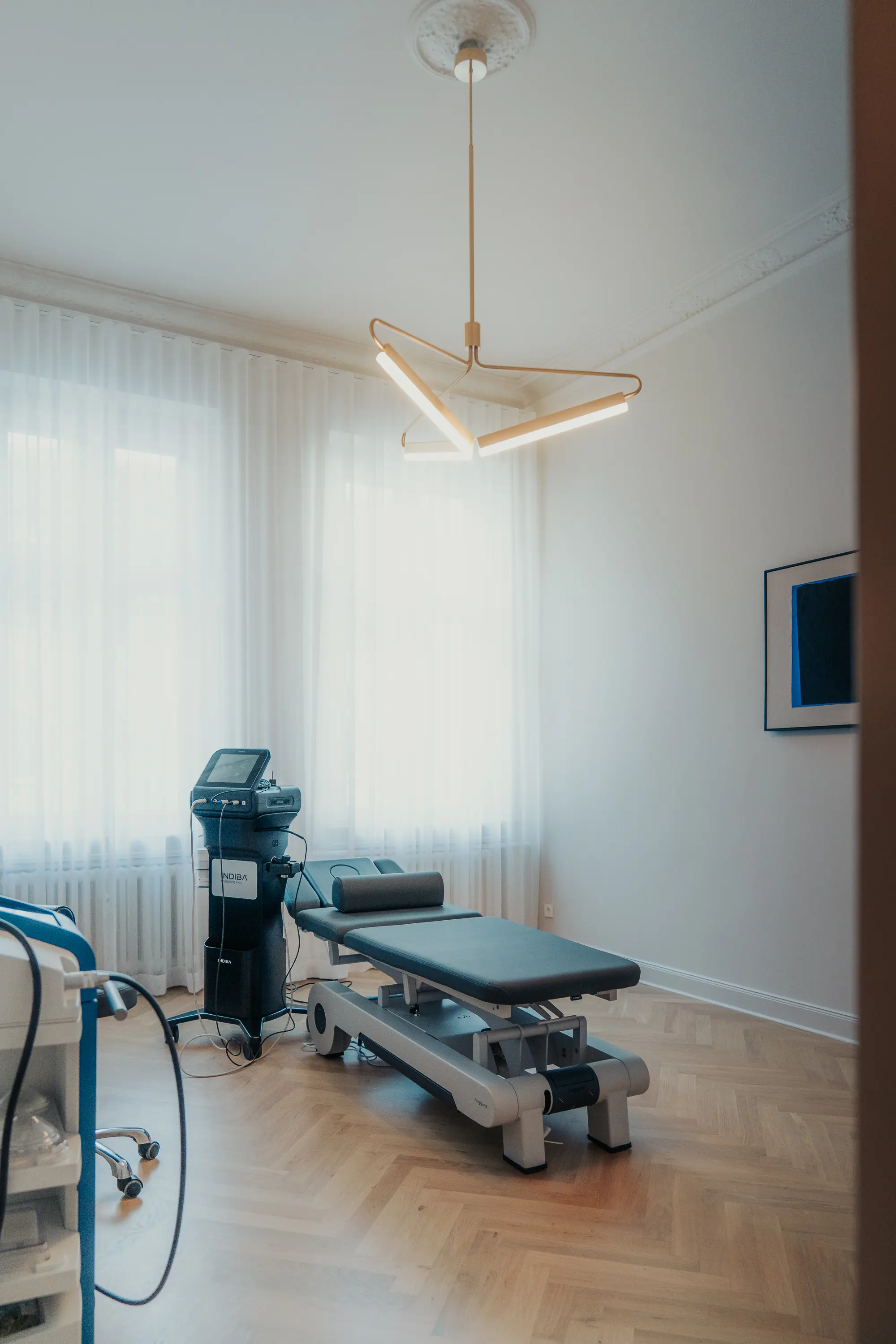
Precision medicine, supported by modern technologies and a well-considered treatment concept.
© PMC
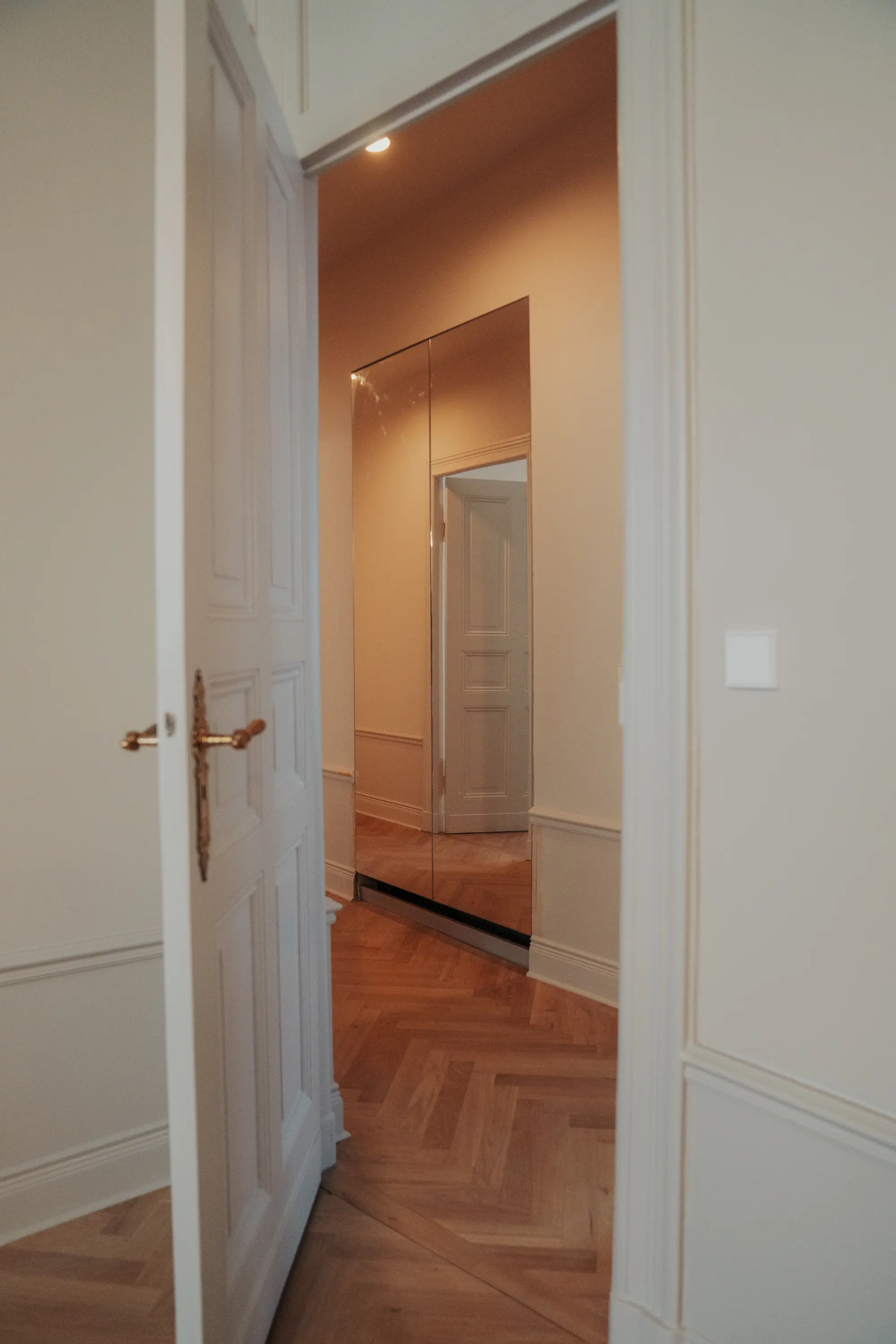
Clarity in design, calmness in the space – an environment that fosters trust.
© PMC
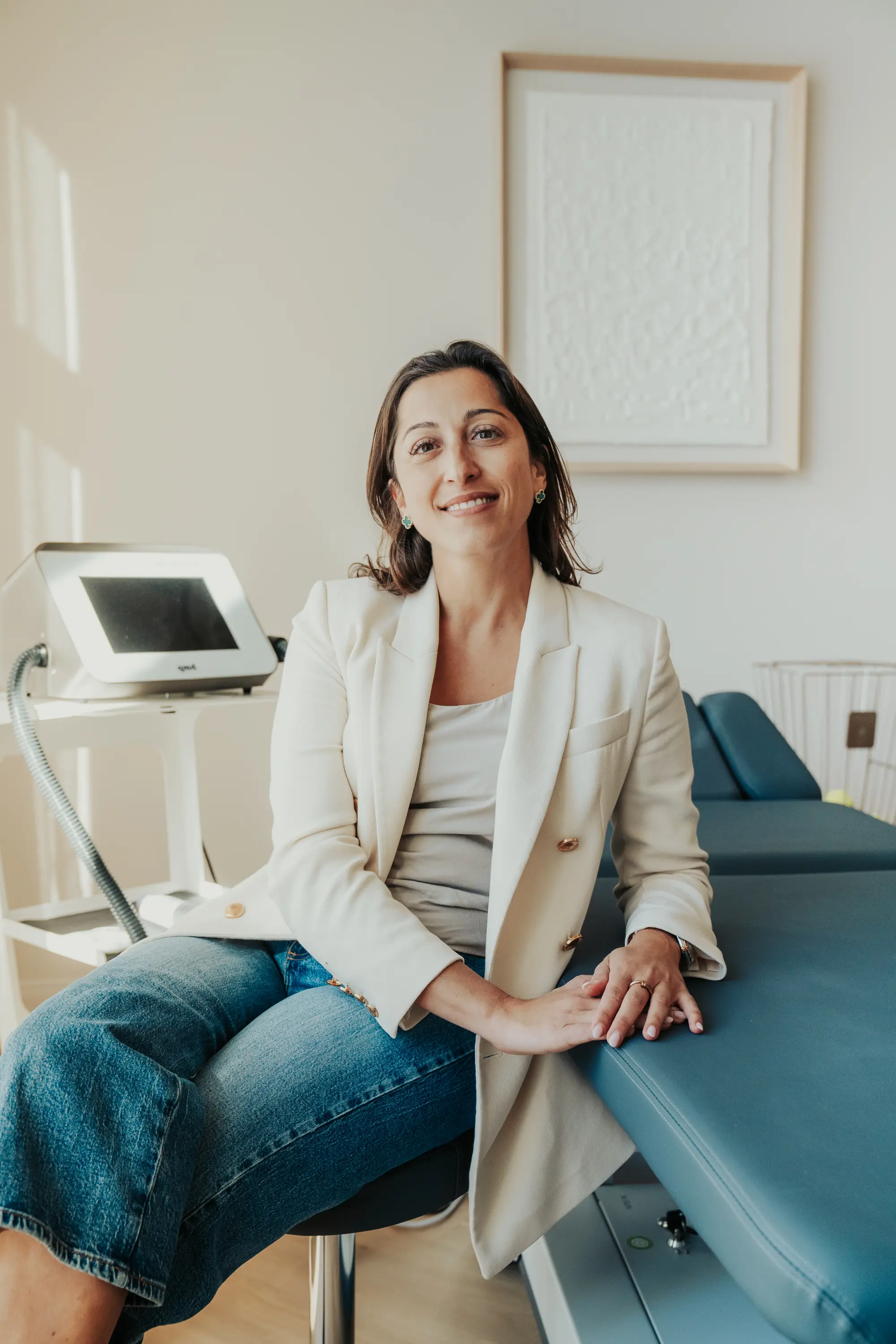
Dr. Ferzan Süzer – professional excellence combined with a keen sense for individual needs
© PMC
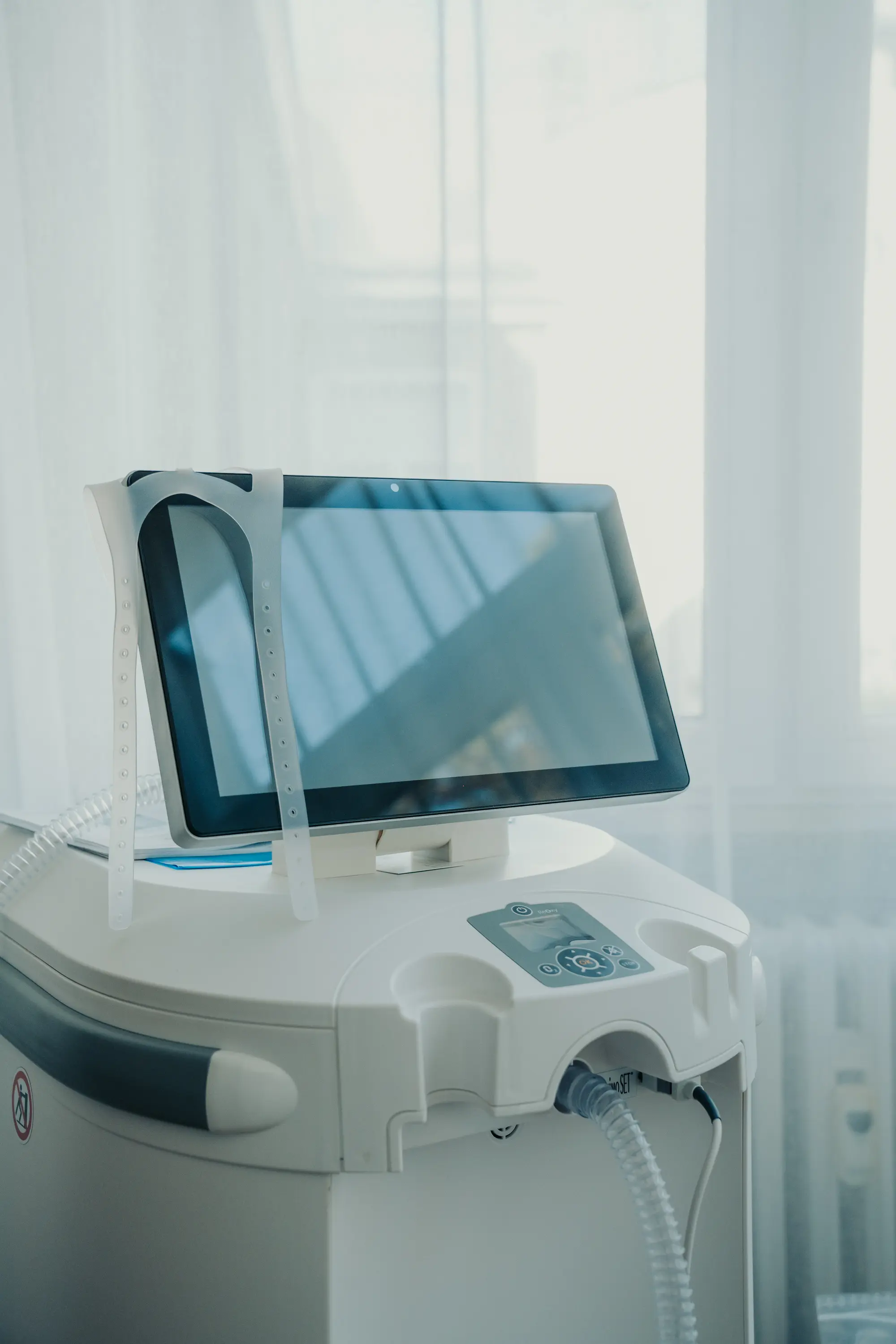
Innovative equipment for targeted diagnostics and effective therapies
© PMC
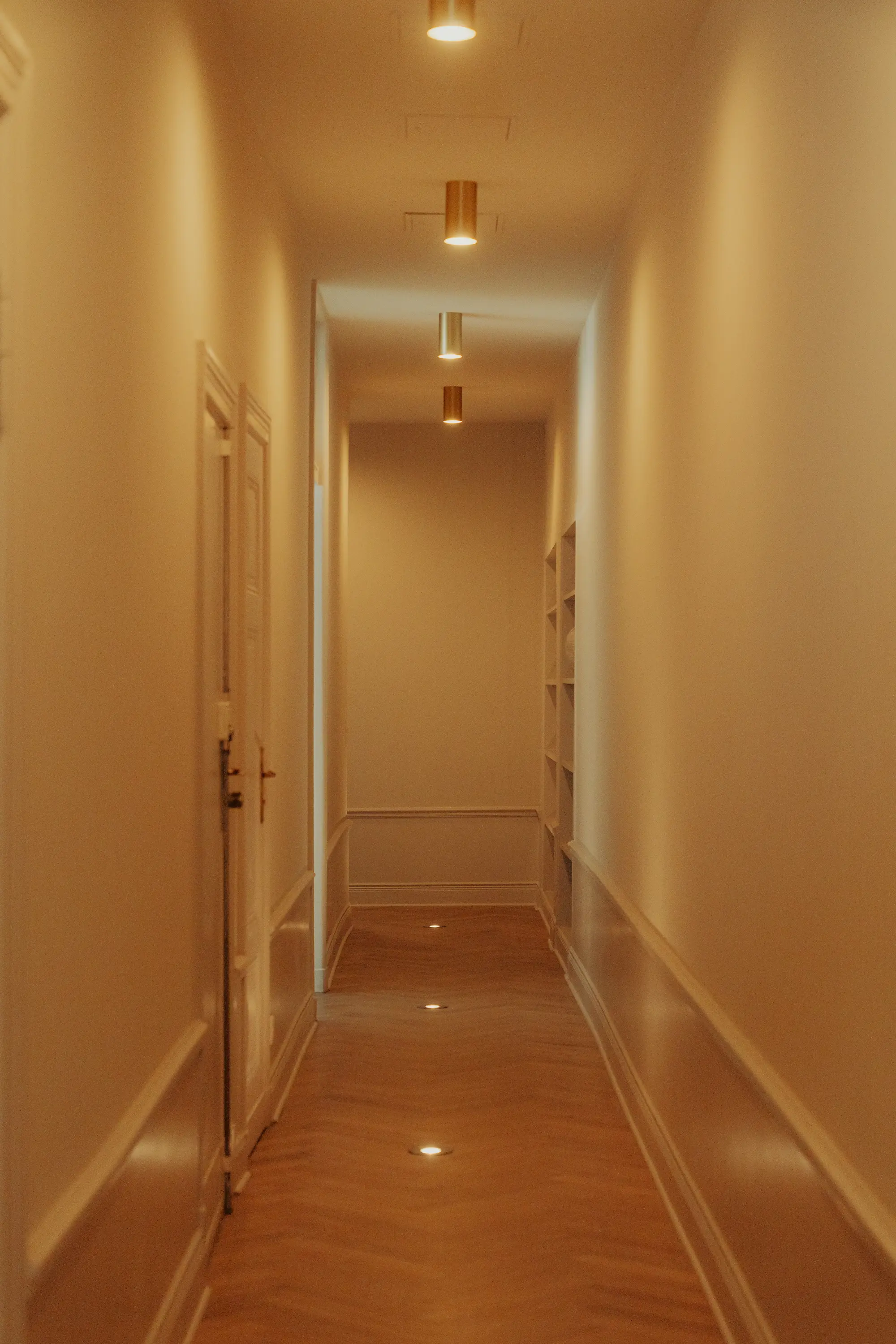
Reduced design and warm lighting for a pleasant, relaxed atmosphere
© PMC
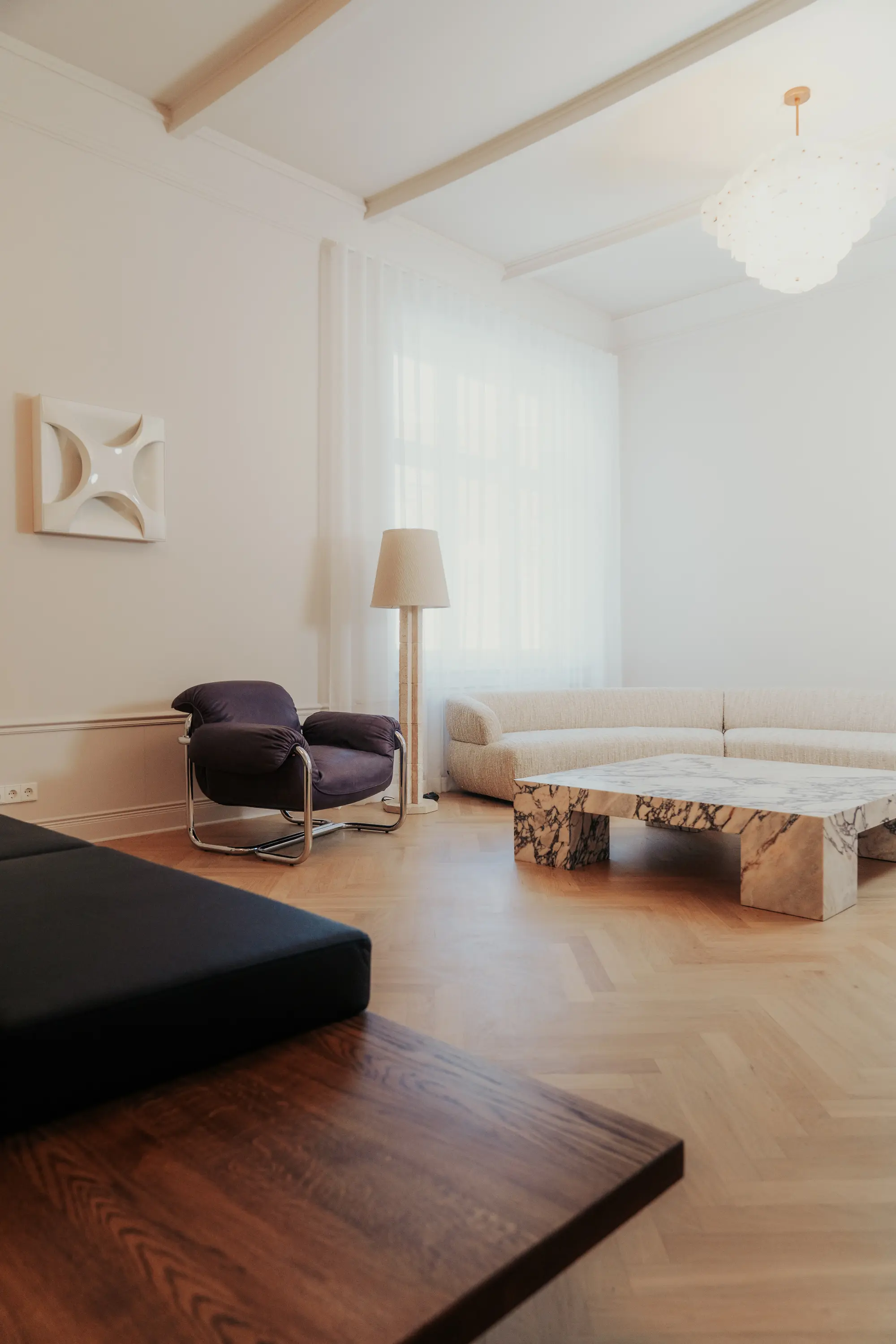
A place to arrive – stylishly designed for peace before and after treatment
After completing the German-Turkish Abitur at a German school in Istanbul, Dr. Süzer began her medical studies in Heidelberg in 2004, supplemented by international stations in Sri Lanka and the USA. "I think this international influence further shaped my medical perspective and confirmed that I had taken the right path – especially helping people," says Dr. Süzer. She completed her specialist training in orthopedics and trauma surgery at renowned institutions such as the ATOS Clinic in Heidelberg and the Hannover Medical School. There, she learned about the entire spectrum of the field – from current trauma surgery to high-performance sports orthopedics. "In my opinion, orthopedics offers everything you could wish for from a medical specialty: I work with people of all ages, which gives me a very varied treatment spectrum, and my strong interest in all things technical is wonderfully satisfied here." Dr. Süzer has complemented her clinical career with a position at the National Association of Statutory Health Insurance Physicians, which gave her a systemic understanding of structures and decision-making processes in healthcare.
However, a personal health experience, a herniated disc in 2016, changed her perspective sustainably. It was the moment when she began to critically question surgical indications and consistently focus on evidence-based, regenerative, and non-invasive therapies. She also became increasingly aware of the necessity of a solid trust foundation between doctor and patient. "In recent years, orthopedics has lost too many patients to osteopaths and physiotherapists because too little time is taken for individuals in everyday practice," the doctor knows. A brief examination, a quick injection, or a referral to a therapist – according to the specialist, all this is not enough to build a trusting relationship and to treat the patient long-term and as best as possible.
"I think that this international influence has shaped my medical perspective."
Dr. med. Ferzan Süzer
Thus, from a combination of clinical experience, international influence, and personal reflection, a unique medical concept emerged: the private practice Regenera Berlin in the beautiful district of Charlottenburg. In six treatment rooms over around 300 square meters in a beautiful old building, modern diagnostics and innovative therapies come together in a special treatment concept that, in the true sense of the word, is not rushed but takes time for each patient. For Dr. Süzer, one thing is particularly important: "Regenera Berlin is not a classic orthopedic practice, but a center for regenerative and preventive-oriented musculoskeletal medicine. Orthobiology plays a central role, meaning therapies that use the body's own regenerative processes to improve healing and tissue quality in the long term." Therefore, in her practice, there is no quick cortisone injection to treat an acute condition. The doctor is rather convinced that orthopedic complaints are rarely isolated events: "Joints, tendons, and muscles react to mechanical stress just as they do to inflammatory processes, metabolic changes, and chronic stress. Only those who understand these relationships can achieve long-term stability," says Dr. Süzer. Furthermore, the doctor is convinced that joint health should not only be treated when pain or structural damage occurs, but rather mobility should be maintained as early as possible and stabilized in the long term. "I would summarize this long-term perspective under the term 'Joint Longevity.'" Thus, patients at Regenera Berlin do not find standardized procedures but individual strategies that create clarity and open sustainable perspectives. Her credo: No mere symptom treatment, but tackling the causes and a treatment plan that is oriented towards the patient's wishes and goals. For this purpose, the technology-savvy doctor works exclusively with medically certified devices and uses technologies that are evidence-based and clinically established. "Medical quality and scientific seriousness are always the foundation of my innovative therapy approaches."
"Regenera Berlin is not a traditional orthopedic practice but a center for regenerative and preventive musculoskeletal medicine."
Dr. med. Ferzan Süzer
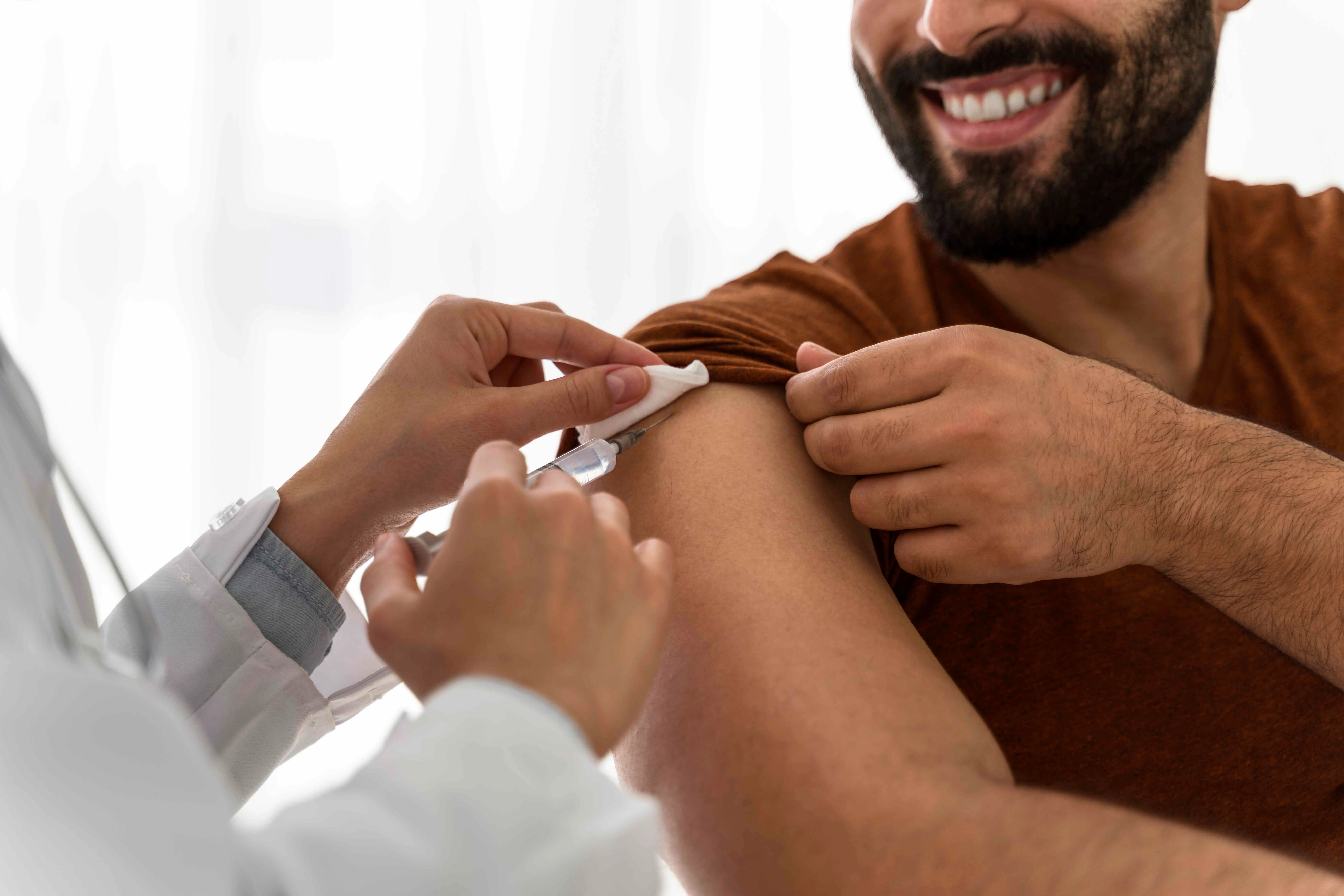
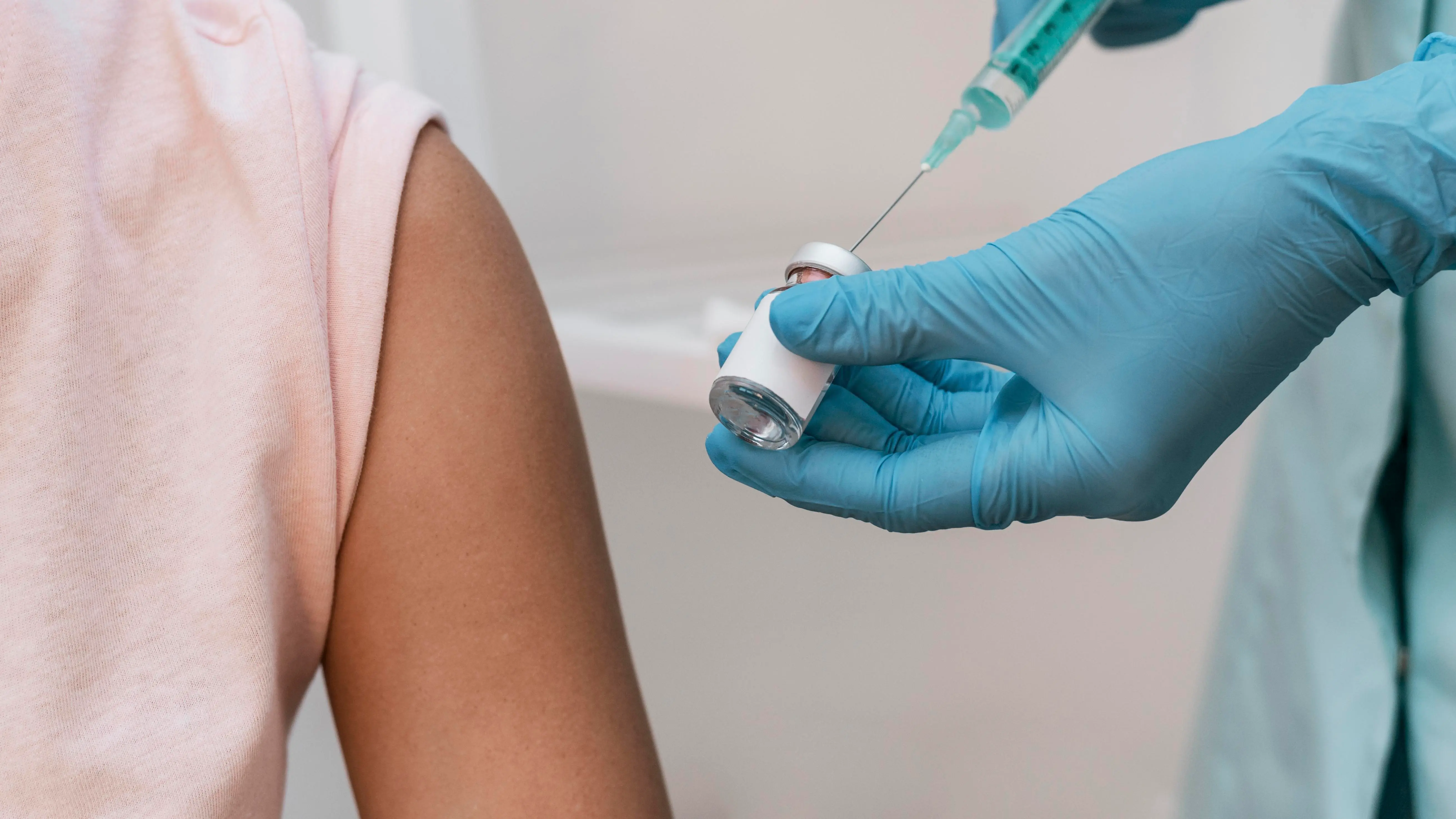
What exactly does that look like? In the sports medicine field, for example, the focus is not only on injuries but overall on performance and how it can be improved or restored. Regenerative injection therapies, individually tailored infusion therapies, and IHHT (Intermittent Hypoxia-Hyperoxia Therapy) to support mitochondrial function are used by the specialist to accelerate healing processes and reduce overload syndromes. "IHHT, in particular, or passive altitude training, contributes to increasing cell energy," explains Dr. Süzer. "While sitting or lying down, oxygen-poor and oxygen-rich air is alternately inhaled through a mask, and this change between oxygen deprivation (hypoxia) and oxygen excess (hyperoxia) forces old mitochondria to die and promotes the growth of new, functional cells." In the osteoarthritis program, degenerative joint changes are not regarded as purely mechanical wear, but rather the accompanying inflammatory processes, as well as blood circulation and tissue quality, are precisely analyzed. An autologous blood therapy combined with shock wave, magnetic field, or radio frequency therapy is intended to improve the joint environment and set regenerative impulses. The objective of this approach: to maintain mobility, reduce pain, and postpone surgical intervention as long as possible. Another focus of the modern practice is infusion therapies, which are used in a targeted manner. Joint and cell protection is supported, for example, with vitamin C, minerals stabilize muscles and joints, iron improves oxygen transport in the cells, and autologous blood therapy uses the body's own active ingredients to treat sports injuries. What is just as important to the committed physician as excellent patient care is continuous, interdisciplinary exchange. Thus, she places great importance on regular further training, international exchange, and the development of new therapy approaches.
The best advice the specialist can give her patients: "No matter which treatment you choose – be patient and give your body time to heal and regenerate."