© © Freepik
February 13, 2025
Judith Cyriax
Salmon sperm, cod skin, red seabream gut microbes ... Why sea creatures are now providing the ideal skin food

With
Dr. med. Lukas H. Kohler
In the search for ever-new active ingredients intended to rejuvenate and beautify the skin, both the cosmetics industry and aesthetic medicine often take unexpected paths and present substances and treatments that seem quite exotic at first glance. The latest hit: a facial with salmon sperm. Initially appearing as a celebrity treatment on social networks, more and more doctors are offering these treatments in their practices as effective skin enhancers.
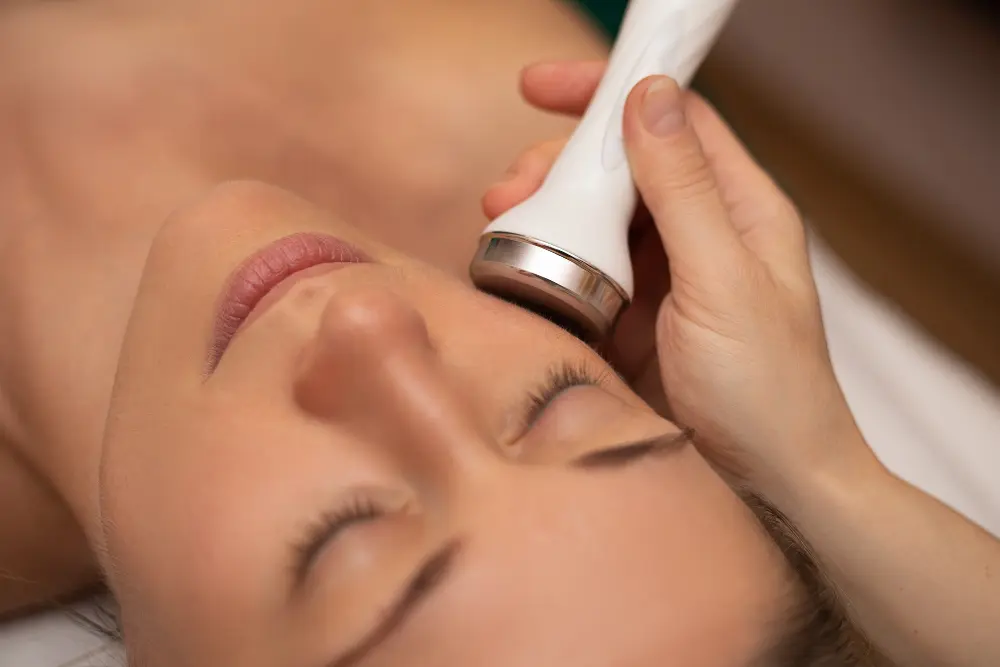
But what exactly can one imagine by this? "The whole thing has nothing sleazy about it," says Dr. Lukas Kohler, a plastic-aesthetic surgeon from Munich. "Because, of course, no pure salmon sperm is used, but rather the skin is treated with so-called polynucleotides from it." Polynucleotides are macromolecules consisting of many nucleotides linked together, the chemical collective term for DNA and RNA. And these can be relatively easily isolated from fish sperm.
But does this procedure really work, or is it just a short-lived phenomenon? Let's remember: cosmetic manufacturers already advertised with care products made from snail slime, which, however, quickly lost their appeal. According to Dr. Kohler, polynucleotides are actually extremely effective. "They are not a new hype product, but have been used successfully for years in the field of skin renewal and regeneration."
Already in 2017, a scientific study was published in the International Journal of Cosmetic Science showing that injections with polynucleotides sustainably improved the elasticity and skin hydration of the participating subjects.
“Polynucleotides create an ideal environment for our fibroblasts, those cells that are the main component of connective tissue. Their area of responsibility is the formation of proteins, more precisely the formation of new collagen. And the more collagen there is in the skin, the firmer, more elastic, and fresher it looks,” says the specialist.
“This universally applicable product is only injected into the top layer of skin, the dermis, and ensures even hydration and more volume. Ideal for anyone who still shies away from major changes in the face but wants a beautiful glow that lasts for a few months,” explains Dr. Kohler.
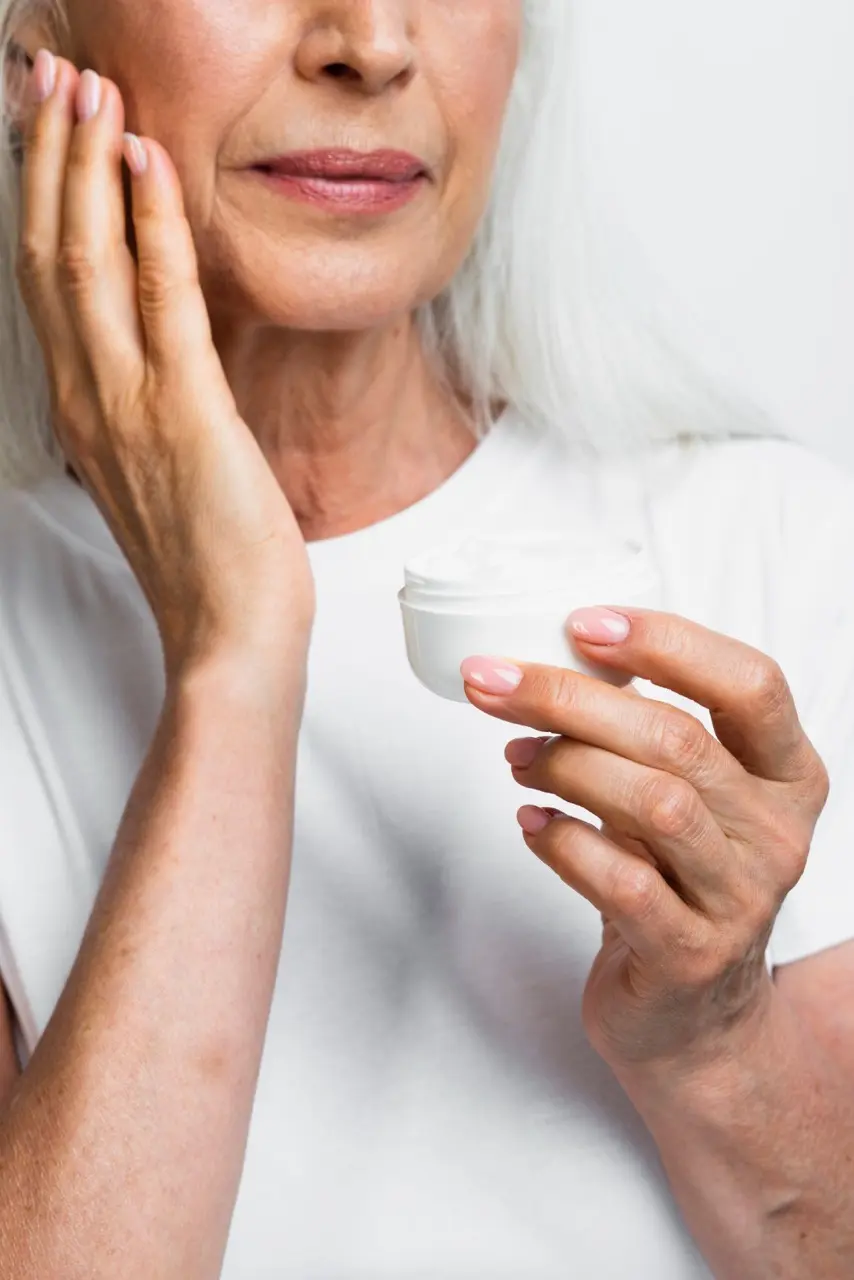
However, they are not only the ideal skin booster but are also used in the treatment of acne scars and hyperpigmentation, as their regenerative powers are particularly effective here. A treatment with polynucleotides derived from fish sperm costs around 300 euros.

© Freepik
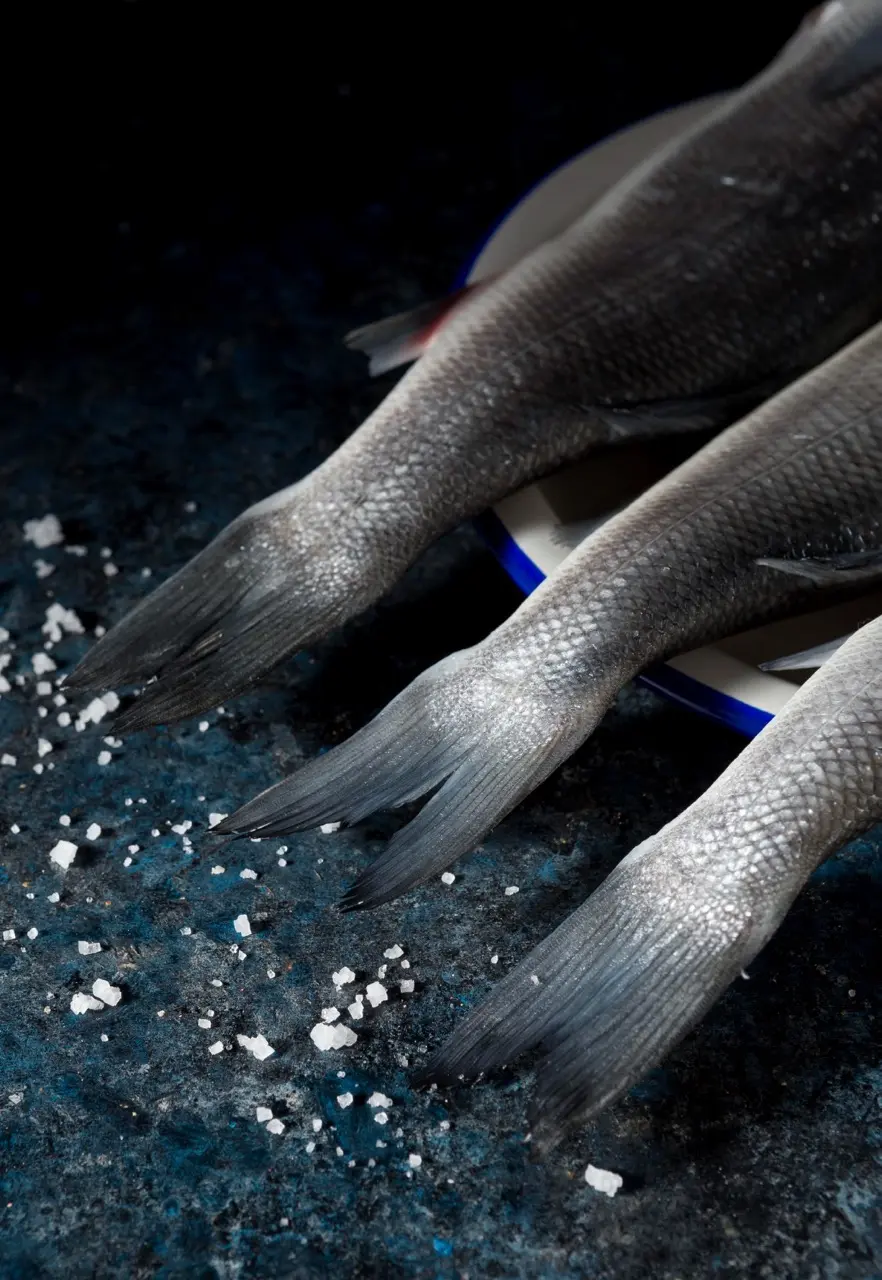
However, marine life forms are not only effective with polynucleotides in terms of our beauty; part of their digestive system – the intestine – also proves to be a true friend to the skin. Studies by the journal ACS Omega of the “American Chemical Society” found that the gut microbes of the red and black sea bream produce molecules that, on the one hand, lighten hyperpigmentations and, on the other hand wrinkles reduce.
Specifically, these molecules inhibit the enzyme tyrosinase, which is responsible for increased melanin production. Additionally, they block the enzyme collagenase, which breaks down collagen, resulting in fewer wrinkles. This discovery is particularly interesting for the cosmetics industry, as it can lead to the creation of new ingredients that are a natural alternative to chemically produced substances.
Another fishy ingredient used in cosmetics, particularly in makeup products, is guanine, also known as fish silver. In its crystalline form, it is found in fish scales and provides shine and shimmer in products. It is extracted from the scales of herring, sardine, or bleak.
The fish silver crystals are separated and purified from the fish scales using organic solvents to shimmer in lipstick, nail polish, and eyeshadow. Guanine is often hidden in the so-called INCI list (International Nomenclature of Cosmetic Ingredients) under the term "Pearl Essence."
"The original application of polynucleotides is in burn medicine," says Dr. Kohler. Meanwhile, another part of the fish has found particularly effective use here: fish skin. Specifically, the fish skin of cod from the European North Sea, which is used in transplant surgery and in the treatment of large wounds, such as in diabetic therapy.
Studies have found that there is no risk of disease transmission between cold-water fish and humans, which is why the fish skin does not need to be sterile. However, it is important that it is gently processed so that it retains its natural structure. Why? When viewed under a microscope, its loose structure and large pores are very similar to human skin.
“Like human skin, fish skin is composed of epidermis, dermis, and subcutaneous tissue. Evolutionarily, our skin is identical to fish skin. With the only difference being that fish skin is equipped with scales, which in human skin have evolved into hair,” explains Icelandic inventor Fertram Sigurjonsson.
He has developed a process where the chemistry and structure of the cod skin remain intact to preserve the healing properties of the fish skin. When the fish skin is applied to wounds, human skin immediately begins to react with it by human skin cells settling and multiplying in the pores of the fish skin.
Additional benefit of fish skin: The Omega-3 fatty acids abundantly present in it slow down inflammation, kill bacteria, and even protect against viruses. Moreover, they promote the formation of new blood vessels. And so, since 2022, the fish skin of the North Atlantic cod has been officially approved as a medical product in the EU.