© Tim Gouw
January 22, 2025
Jana Ackermann
From nutrition to mental health: With these practices, you can naturally strengthen your immune system and get through the winter months well.
It gets dark early, the sun only shows itself now and then, and the air is cold: many people feel a certain heaviness in winter, which is also known as the "winter blues".
But there are ways not only to overcome this phase, but to use it as a powerful time for inner strengthening. With the following holistic tips from naturopathy, body, mind, and soul can remain in balance.
1. Exercise in the cold
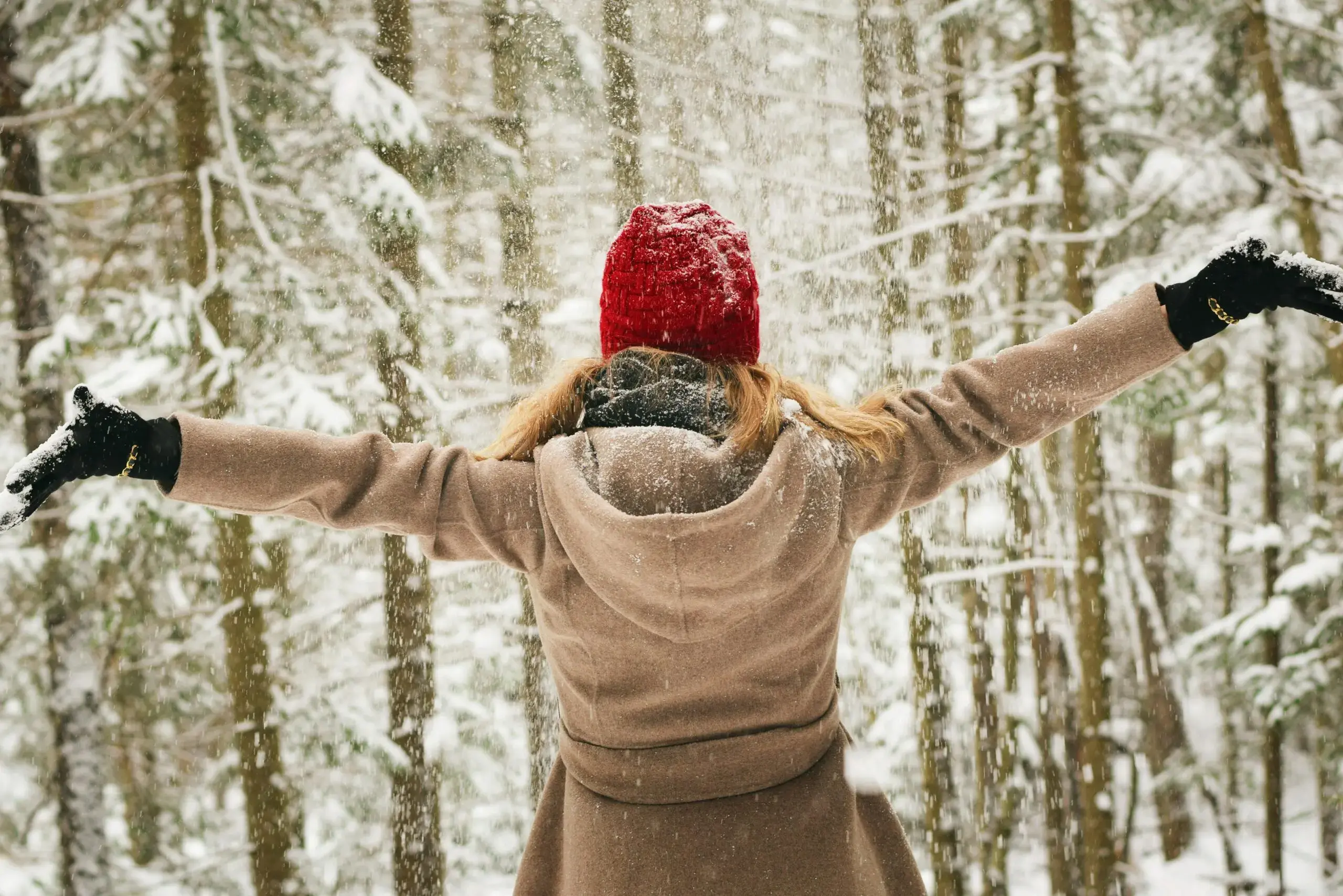
Fresh air and moderate exercise stimulate circulation and strengthen the immune system . Walks in the forest or gentle yoga at home help to relieve tension and find inner balance.
2. Warming nutrition - power from nature
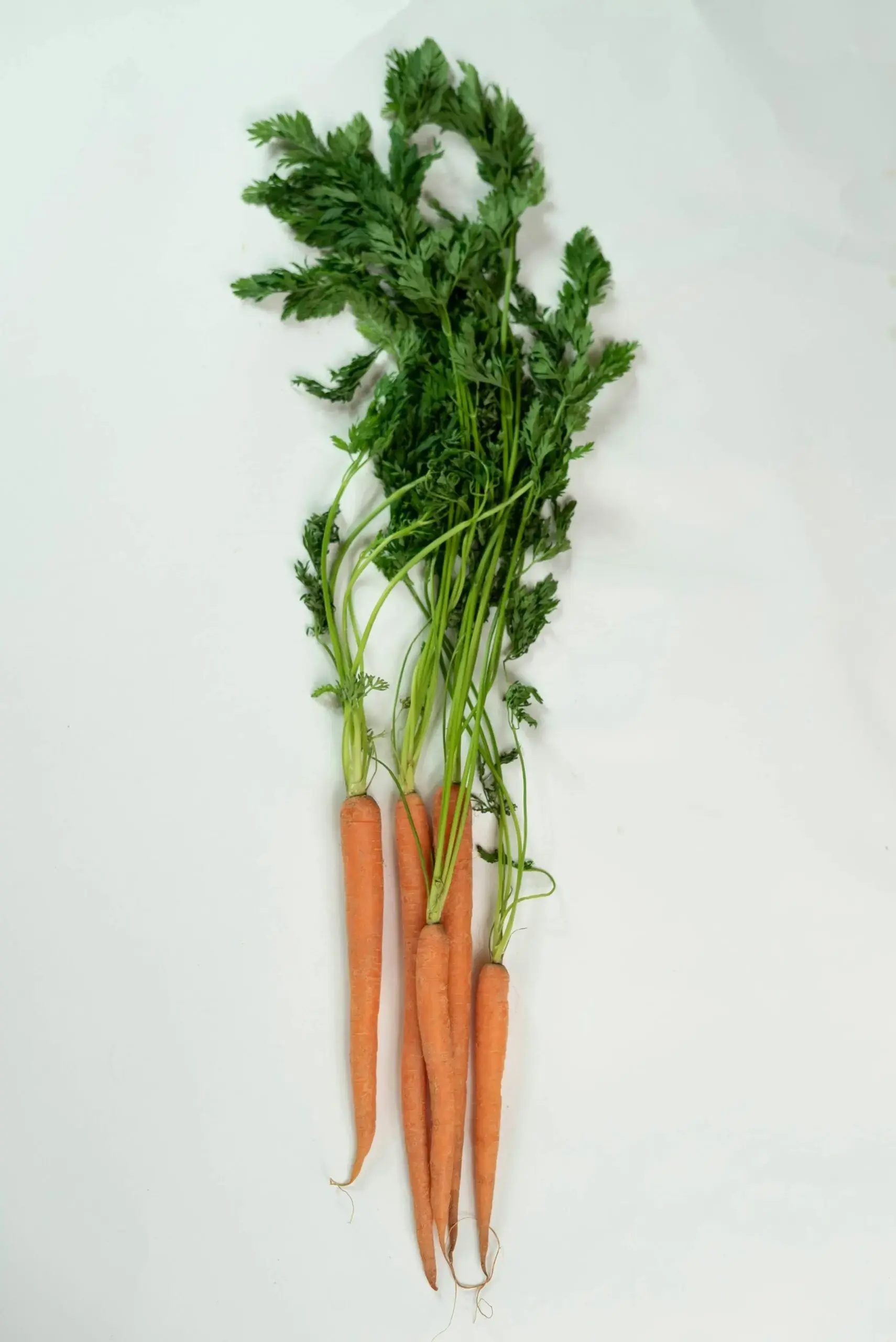
Root vegetables such as carrots, potatoes, beets or parsnips symbolically stand for grounding and stability in winter. Deeply rooted in the earth, they remind us to seek connection to our own roots and find inner support.
They store nutrients and energy, making them a metaphor for resilience and strength. With their earthy aroma and warming properties, they bring comfort and security to the cold season and invite us to consciously experience the winter rest - as a time of retreat and inner strengthening.
Seasonal root vegetables can be used to prepare oven vegetables, soups and stews, while spices such as ginger, turmeric and cinnamon warm from the inside, promote digestion and support energy flow. In addition, teas made from fennel, anise or caraway help to gently relieve the body.
© Dziana Hasanbekava
On the menu in winter: Local root vegetables
3. Soak up the light
Natural Daylight is essential to boost the production of the happiness hormone serotonin. Even on gray days, it's worth spending at least 20 minutes outdoors. Additionally, a light therapy lamp can brighten the day and enhance well-being.
4. Cultivating gratitude - the power of positive thoughts
Gratitude has a transformative power that can sustainably influence our thinking and feeling. Studies show that it's hard to be sad and grateful at the same time because gratitude directs attention to what is positive and fulfilling.
It shifts the focus away from feelings of lack towards what is already present, thus creating space for contentment.In winter, a time often associated with melancholy, consciously cultivating gratitude can help open the heart and rediscover the small joys of life.
For example, by noting or expressing three things you are grateful for every day. This simple exercise focuses on the positive and can also be wonderfully practiced with children.
5. Care in harmony with nature
Cold air and dry heating air affect the skin. Natural oils such as almond or jojoba oil provide moisture and support regeneration. A weekly oil bath, for example with an immune-boosting mixture of almond oil and eucalyptus, is a real treat and also helps with a stuffy nose or cold symptoms.
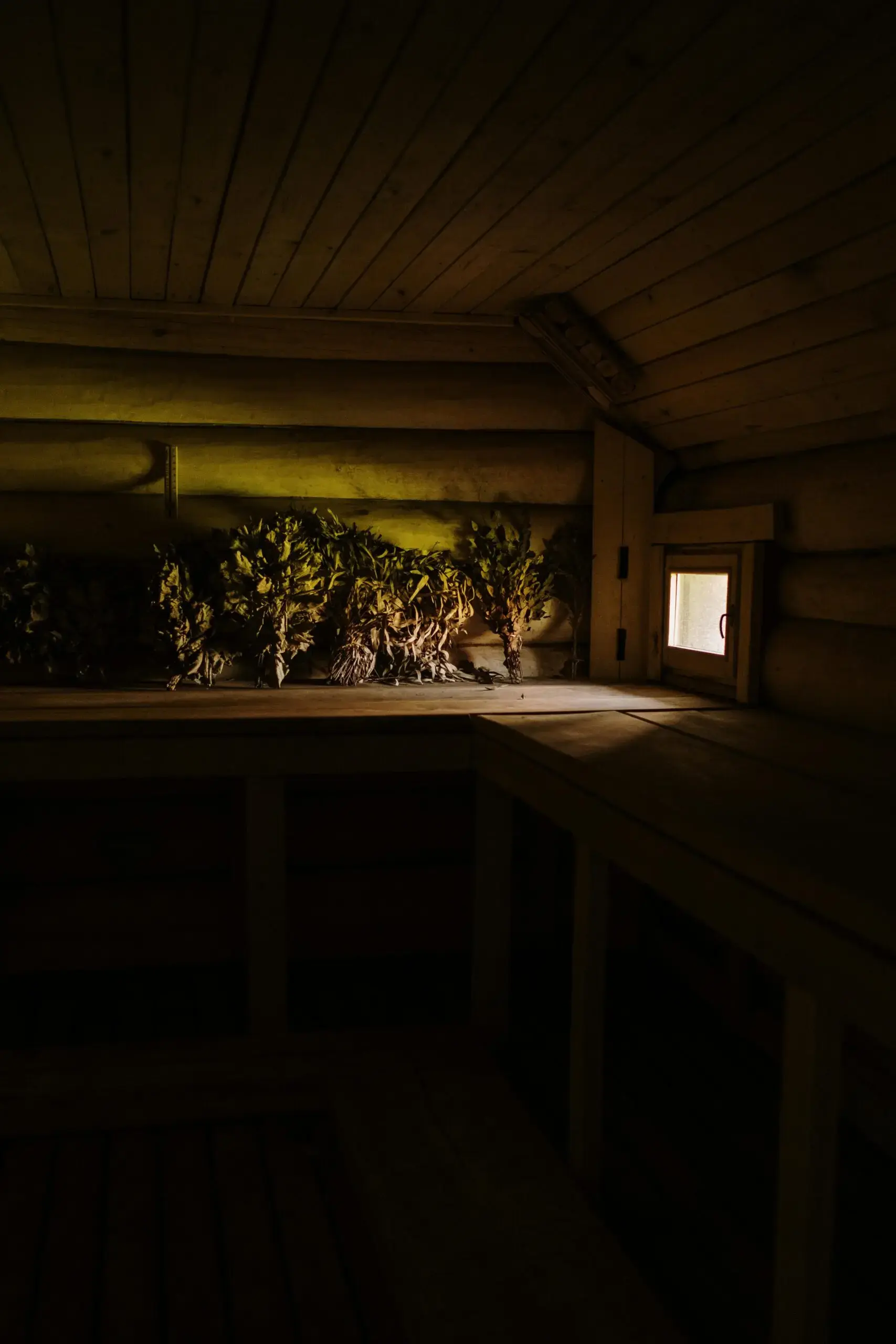
Regular sauna sessions are more fun in winter than in summer and, in addition to deep muscle relaxation, have positive effects on skin health, the immune system, and defenses. Especially if you make saunas a regular ritual (ideally weekly).

© cottonbro studios
Regular sauna sessions support the immune system.
6. Practice mindfulness
While in summer one date chases the next and staying home is not an option for many, the darker season invites you to consciously engage with your inner soul life.
Meditation, breathing exercises, or journaling provide clarity and focus on what is essential. Even a few minutes a day can have a big impact.
7. Medicinal plants for the soul
Does the lethargy just won't get better? St. John's Wort is known for its mood-lifting effect and is suitable as tea or in capsule form.
Lavender and passionflower can also, according to naturopathy, alleviate inner restlessness and improve sleep, for example as essential oil in a diffuser (also a favorite tip against dry heating air) or as a pillow spray.

Falling asleep with earbuds and leaving them in until morning? ENT physician Dr. Kristina Wiedelmann-Breloer is seeing more patients with ear canal inflammation and eczema linked to their use. She explains what can happen inside the ear overnight — and how to reduce the risks.
Christine Bürg & Marianne Waldenfels

With
Kristina Wiedelmann-Breloer

For osteoarthritis, herniated discs, and tennis elbow, surgery is often no longer the first option. Orthopedic specialist Dr. Yvonne Ebel explains which treatments can offer alternatives — and why movement and muscle building can sometimes make a surprising difference.
Christine Bürg & Marianne Waldenfels

An interview with
Dr. med. Yvonne Ebel

Dark circles are often blamed on lack of sleep. But pigmentation, visible blood vessels, genetics, or facial anatomy may also play a role. Dermatologist Dr. Susanne Steinkraus explains why the cause matters when choosing the right treatment – and when caution is advised.
Christine Bürg & Marianne Waldenfels

An interview with
Dr. med. Susanne Steinkraus